



Story by Courage Bushe
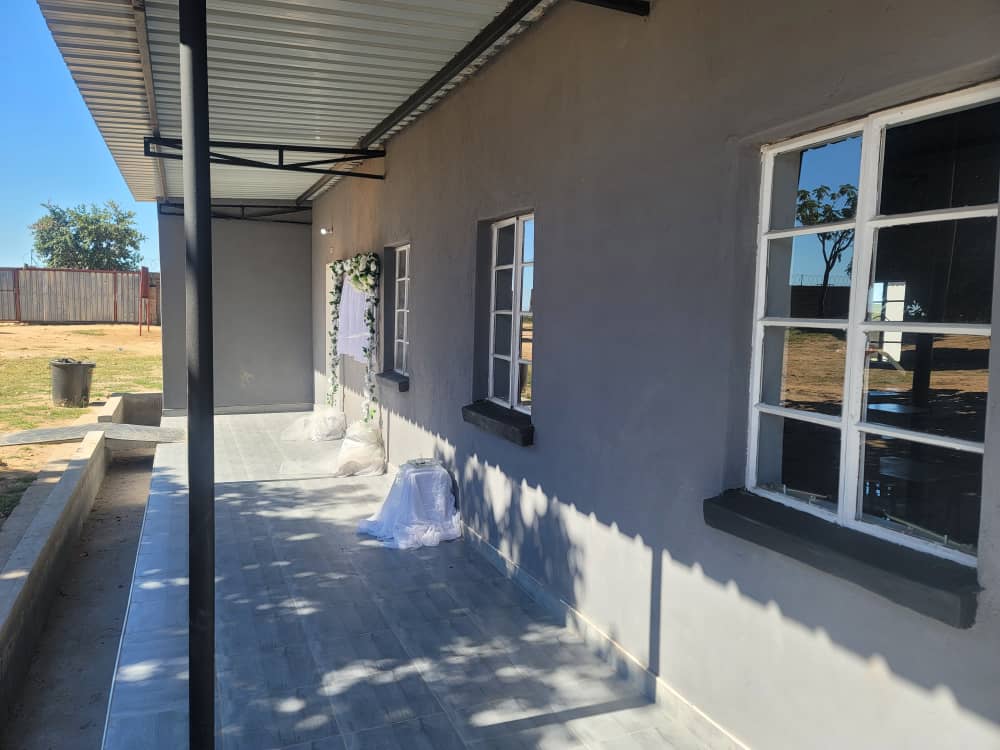
THE Government has commissioned six new classroom blocks at Mandava High School in Zvishavane District, thanks to a successful partnership between the school and the local community.
For the people of Mandava, Makwasha, Highlands, and other nearby areas, the occasion marked a significant milestone after years of watching their children endure shortened school hours due to limited classroom space.
The new infrastructure reflects the Second Republic’s commitment to development through local participation, encapsulated in the national mantra “Nyika Inovakwa Nevene Vayo / Ilizwe Lakiwa Ngabanikazi Balo”.
This investment is expected to transform the learning environment and enhance the quality of education in the region.
“We are happy that the Second Republic is walking the talk, and it is leaving no one and no place behind in its developmental programmes. This is one of its promises, and we are grateful for this. And surely this will reduce problems we were encountering as learners,” a student said.
“Our school has done a very good job because it will reduce levels of mischief from us because we will now spend a lot of hours in our classrooms. Prior to this development, we were learning for less than six hours because of infrastructure shortages, but it is now a different story now,” a pupil said.
The government welcomed the development, stressing the importance of upgrading schools’ infrastructure to improve educational outcomes.
“The Second Republic has done a lot in the education sector through the 5.0 model. We are building labs and giving computers to schools in the constituency, especially the marginalised communities, and this is one of the projects we are supporting,” Zvishavane- Ngezi Constituency Legislator, Honourable Mecky Jaravaza said.
“The government is working tirelessly to make sure that learners are equipped with the necessary skills and knowledge, and this development clearly complements the government’s efforts in achieving that feat. As a government, we are supporting infrastructure development because it lays the foundation of a brighter future for our learners,” the Permanent Secretary in the Ministry of Primary and Secondary Education, Mr Moses Mhike said.
The construction of schools’ infrastructure strengthens government’s Heritage-based Education model, which seeks to shape the children’s future through technology, innovation, and industrialisation.

