



Story by Gay Matambo
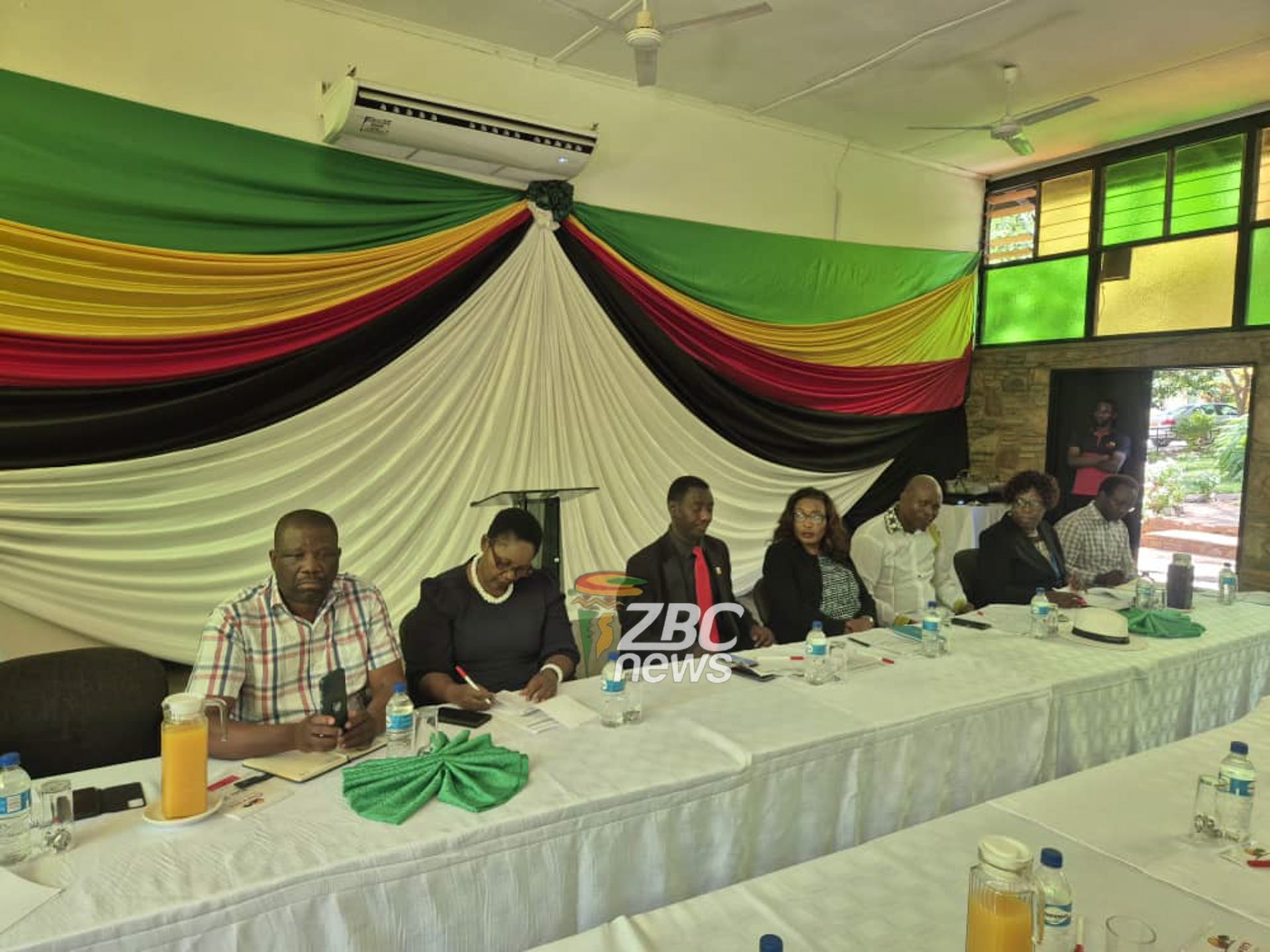
THE African Peer Review Mechanism (APRM) mission examining Zimbabwe’s economic governance frameworks visited Chiredzi on Saturday as part of its nationwide stakeholder consultations. The delegation focused particular attention on the sugarcane value chain, a sector long regarded as the economic backbone of the Lowveld.
Dr Rachel Mukamunana, APRM Director of Country Reviews and Assessments, commended the policy reforms introduced by the Second Republic, noting that local stakeholders expressed satisfaction with ongoing support for the sugar industry and broader economic development initiatives.
“We are happy to be here in the district of Chiredzi, we interacted with all the stakeholders, and I am very excited to say that all the stakeholders in their various components, and particularly the sugar industry, are happy with the policy reforms brought by the Second Republic, in particular, devolution and the support they are receiving from the government.
“The key takeaway recommendation is that the people in Chiredzi want value addition to the minerals and various products that they are producing, and the other issue that came out is the excessive tax they have to pay on their products,” Dr Mukamunana said.
Secretary for Masvingo Provincial Affairs and Devolution, Dr Addmore Pazvakavambwa, said a detailed report of developmental projects in Masvingo Province has been submitted to the APRM delegation.
“We want to thank the President, Cde Emmerson Mnangagwa, for allowing our province to be peer reviewed. This is a first of its kind in Zimbabwe. We met various stakeholders, people came, and they had very good comments for the Second Republic. The successes are there. What we shared with the team in Masvingo has been corroborated by what people said this afternoon. They were keen to point to real, tangible projects, real programmes they witnessed which have enhanced the livelihoods of the ordinary citizenry. They also pointed out recommendations, areas where they thought the President would help when he intervened,” he noted.
The engagement and consultation meeting was also described as a platform that facilitates national development.
“When they are coming to the periphery of our district, actually taking note of what we have done and how we have implemented the NDS1 in terms of the benefits and inclusion of the community, this will give leverage as to how best we can then model the NDS1 and how best, as a country, we can also tap into what we have failed to implement previously as we implement NDS2. You can only move forward if you take time to reflect on where you are coming from, so that you can make informed decisions going forward as a country and as a sector, particularly in education. We have been engaged in various ways in terms of policy dialogue with the government, and we have actually worked together in terms of innovation, acting as a catalyst for industrialisation in the country. This platform helps us to air our views and communicate with the government in areas that we need to focus more on,” a stakeholder added.
Meanwhile, the APRM delegation also toured the Tongaat Hulett Zimbabwe Triangle Sugar Milling plant and sugarcane farms in the area.

