



Story by Theophilus Chuma
ZIMBABWE and Zambia have intensified efforts to address unsustainable fishing practices on Lake Kariba amid growing concern over declining fish stocks.
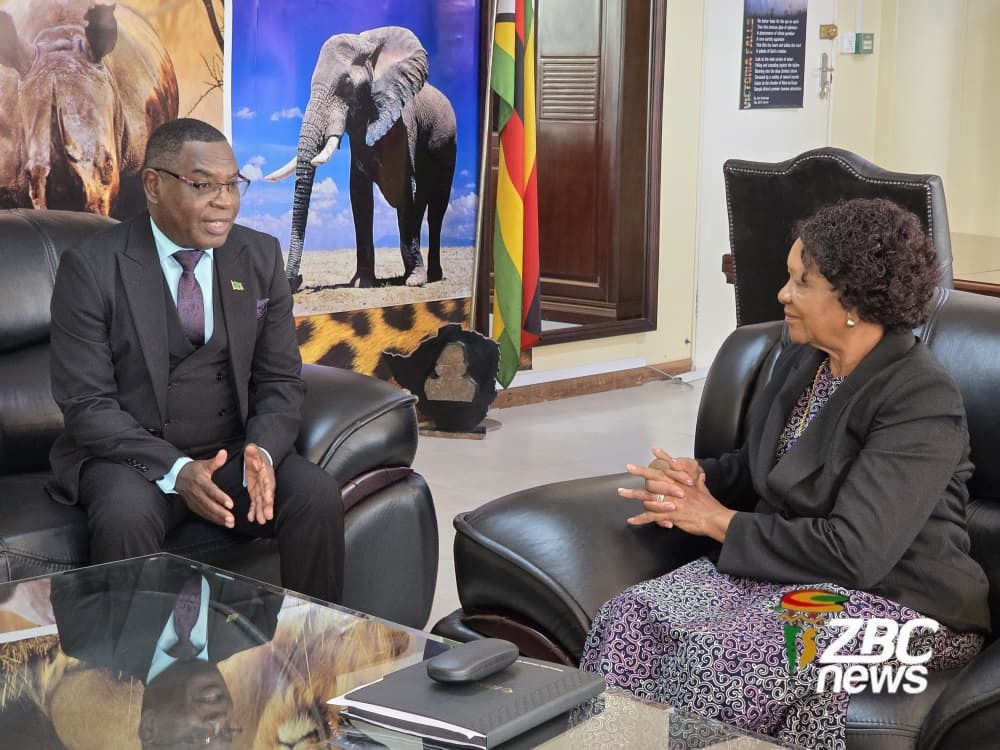
The renewed push followed a meeting in Harare this Wednesday between Zimbabwe’s Minister of Environment, Climate and Wildlife, Honourable Evelyn Ndlovu, and Zambia’s Ambassador to Zimbabwe, Brigadier General (Rtd) Wilson Tembo.
For the past five years, both countries have grappled with overfishing on the shared water body, driven by a surge in fishing vessels now estimated at more than 1,000, double the recommended fleet size.
Authorities say the excessive number of rigs is severely affecting yields, which have fallen sharply from a peak of 30,000 tonnes recorded more than two decades ago.
Minister Ndlovu said the two nations had agreed on the need for urgent engagement to address overfishing and poaching.
“We agreed, I think the previous Ministers agreed, that we have to meet and discuss the issue of neutralisation of the fish that is in our dam, Kariba,” she said.
“The poaching is the challenge, the overfishing is another challenge, which we have to discuss to make sure that we limit the number of fishing rigs within the lake. There are too many, and if we overfish, we are destroying the source of fish and reducing the population in the lake.”
She stressed that Lake Kariba remains a critical source of livelihood for communities in both countries.
“This is a livelihood source for our people. They depend on the lake,” she added.
The two governments are expected to deliberate on a sustainable and manageable number of operators on either side of the lake.
Ambassador Tembo said discussions also covered broader conservation cooperation under the Trans-Frontier Conservation Area initiative involving Zimbabwe, Zambia and Mozambique.
“Some of the issues we discussed were the collaboration between our two sister countries concerning the Trans-Frontier Conservation Area, which is a very important initiative between Zimbabwe, Zambia and Mozambique,” he said.
He added that the meeting also addressed rising cases of human-wildlife conflict, particularly involving elephants that move across the shared border.
The engagement signals a coordinated approach by the two countries to safeguard Lake Kariba’s fish stocks while strengthening wider conservation efforts and protecting livelihoods dependent on the lake.

