



Story by Wellington Makonese
GOVERNMENT, in partnership with various stakeholders, is working to consolidate gains achieved in improved academic performance over the past year by addressing menstrual health challenges that continue to disrupt the education of the girl child.
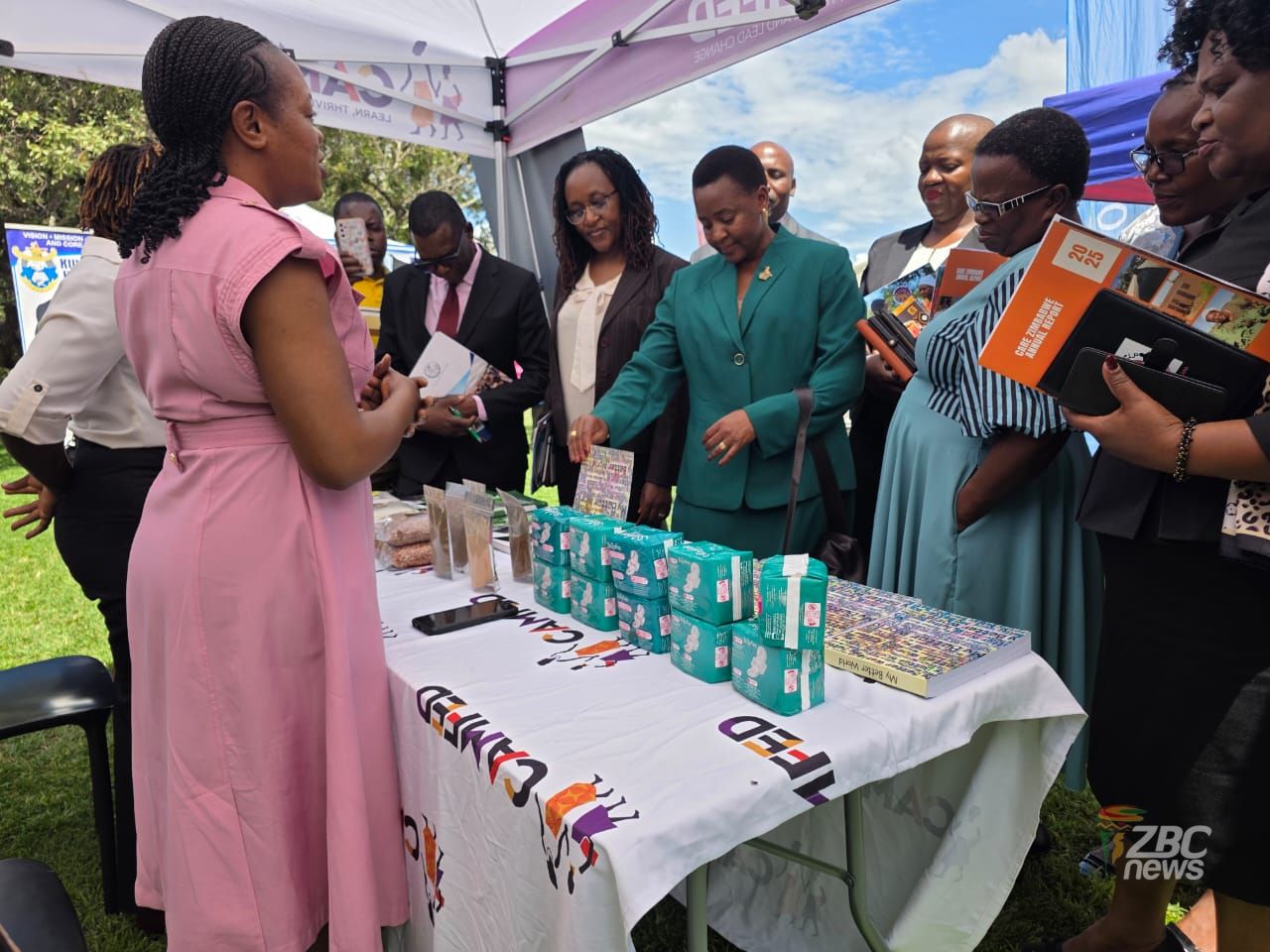
This follows a meeting of stakeholders in Harare this Tuesday during the National Menstrual Health Management Network Platform, a forum aimed at finding sustainable solutions to period poverty and promoting menstrual health management across the country.
“Absence of facilities could hinder the confidence of a pupil and ultimately affect performance,” said Zengeza High School student Nokutenda Matsive.
The initiative comes at a time when the 2025 academic year recorded improved Ordinary and Advanced Level examination results, attributed largely to curriculum reforms and enhanced learning support. Authorities are now seeking to sustain that progress by addressing structural factors that undermine girls’ consistent school attendance.
Studies cited during the platform indicate that at least one in five girls misses between two and five school days every month due to menstrual-related challenges.
Deputy Minister of Primary and Secondary Education Honourable Angeline Gata said Government has prioritised menstrual health support within its planning and budgeting frameworks.
“Part of our budget request seeks to address this challenge in both rural and urban areas, because it is universal. We are working with partners, and we are looking at a minimum of about one million six hundred thousand pads, whether reusable or disposable,” she said.
She added that Government funding, complemented by partner support, is aligned with the National Development Strategies to improve access to education. “This is clearly articulated in NDS1 and NDS2,” she said.
Deputy Minister of Sport, Arts and Culture Honourable Emily Jesaya said improved menstrual health access also has implications beyond the classroom.
“It is a priority on Government’s part to ensure access to menstrual health provisions so as to improve participation in sport. We do not want girls to miss opportunities to develop and showcase their talents,” she said.
At school level, learners say they are increasingly being empowered to adopt sustainable solutions.
“I would like to thank the Government for the new approach. We are being taught to make reusable pads so that we can self-cater,” said Marange High School student Makanaka Madondo Nharira.
Zengeza High School student Nokutenda Matsive said the approach has enhanced both independence and academic focus. “We have been empowered to create and sell so that we do not burden anyone. Our academics are now productive,” she said.
Child Minister of Defence, Peace and National Security Tatenda Mukukuwanda stressed that menstrual health should not be viewed narrowly.
“It is not a girl-child issue; it is a societal issue. When girls suffer, we all suffer. That is why this platform is important and inclusive,” she said.
Non-state actors attending the meeting said the strategy aims to improve coordination and avoid fragmented interventions.
“The approach is to support Government efforts in a more coordinated way. Last year we contributed half a million, but now the focus is on working together to deliver lasting solutions,” said Care Zimbabwe Country Director Charlene Ambali.
As Zimbabwe confronts the scale of period poverty, the National Menstrual Health Management Network is expected to play a central role in ensuring that menstrual health challenges no longer disrupt girls’ right to uninterrupted education.

