



Story by Peter Chivhima
Government officials, healthcare providers and other key stakeholders have united in coming up with lasting solutions to reduce the country’s maternal mortality rate.
The collaborative approach is meant to improve access to essential healthcare services for expecting mothers, with a special focus on rural communities.
Zimbabwe is making strides in reducing the maternal mortality rate, which currently stands at 357 deaths per 100 000 live births.
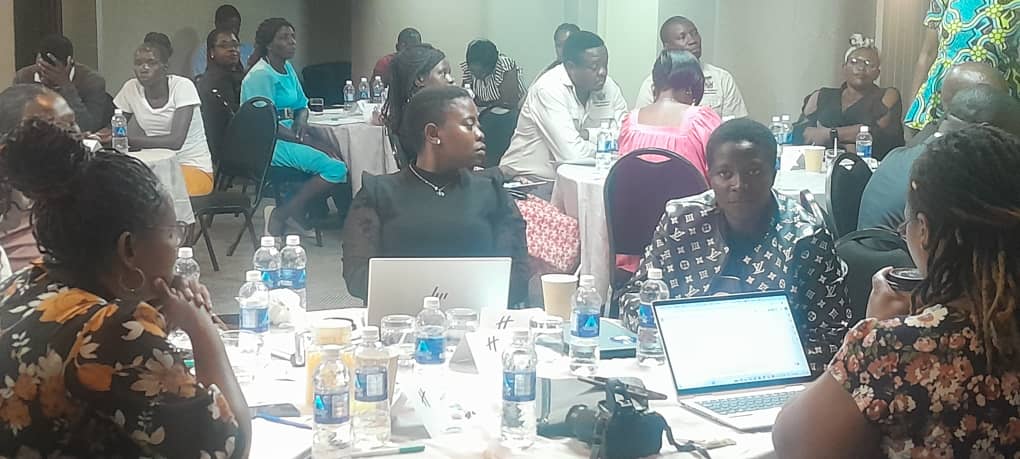
To further address challenges that fuel the maternal mortality rate, such as walking long distances and lack of documentation, government officials, healthcare providers, community representatives, and development partners have gathered in Harare to develop strategies for reducing the mortality rate in the country.
Alliance for Community Based Organisations National Coordinator, Mr Kudakwashe Munemo said, “This is an initiative aimed at strengthening a multi-stakeholder approach in terms of addressing the concerns and challenges that women and girls face in terms of access to documentation as well as access to health services, especially within rural provinces of Zimbabwe. For this initiative today, we are convening with stakeholders to include the Minister of Women Affairs, Community, Small and Medium Enterprises Development, the Civil Registry Department, which plays a crucial role in terms of access to documentation, and also provincial or medical directors and other actors in the Minister of Health and Child Care here in Zimbabwe who play an equally critical role in ensuring access to young people. Secondly, there is also an information gap when it comes to the processes involved for one to access their documents, and thirdly, there’s an issue of attitude by some of the personnel within the health centres and facilities that are in our communities.”
Programme Coordinator for the Institute For Young Women’s Development, Ms Sandra Zenda noted, “This gathering is so important to us as young especially from marginalised communities because we are having an opportunity to highlight some challenges we are facing in our communities. We also want to thank the government for implementing initiatives meant to reduce the number of women of who die while giving birth and reducing the number of children who die during birth.”
The government has pledged to step up awareness efforts, stressing the importance of early medical attention for expecting mothers.
Mrs Lilian Matsika Takaendesa, Chief Director in the Ministry of Women Affairs said, “As government, we are saying we need to reduce the maternal mortality rate. What we have observed is that there are religious sects which do not encourage people to go to hospitals and as a result, we witness mothers and children dying. So, what we are doing is to raise awareness in all the provinces.”
Parliamentarians are also joining in the initiative, urging Treasury to avail funds and other resources.
“As parliamentarians, we are pushing for 15 per cent a budget declaration on the budgets, that is to be allocated to the ministry so that they are able to make sure that we have the healthy facilities within the five kilometres of every district or everyone, especially in the rural areas where they have to travel long distances. And we are also pushing for mothers waiting shelters in every clinic or hospital, so that people go there earlier, before their due date, maybe a few days before their due date. They go to the mother’s shelter so that when they are into labour, they are straight away taken into the labour,” Portfolio Committee on Health and Child Care member, Honourable Beatrice Nyamupinga said.
Government is implementing various measures to eliminate maternal mortality, including construction of additional health facilities and training more healthcare professionals.

