



Story by Abigirl Tembo
AS communities across Africa grapple with crime and nations with high costs of incarceration, Zimbabwe has placed the spotlight on smarter, humane correctional strategies.
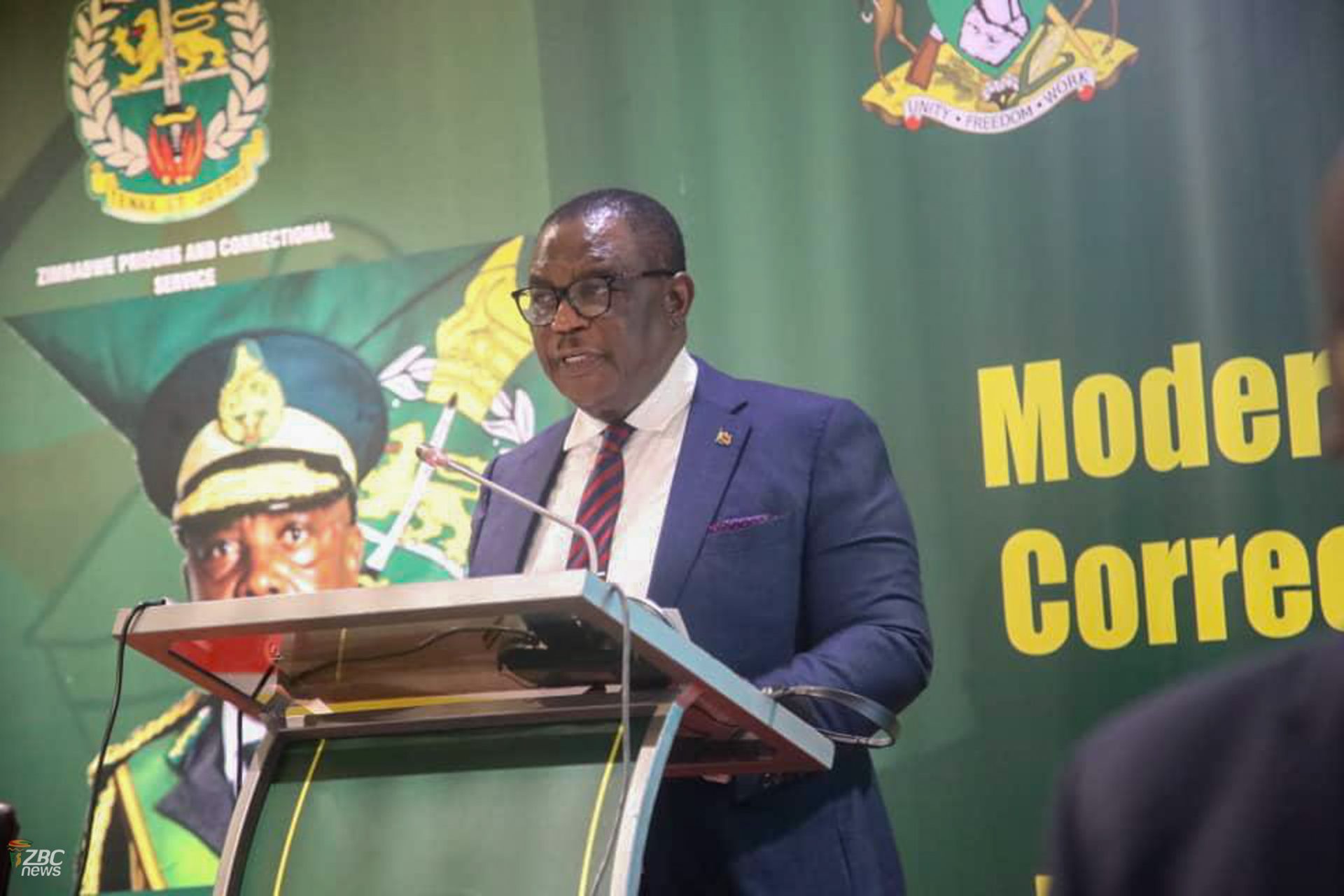
Vice President General (Rtd) Dr Constantino Chiwenga officially opened a landmark continental conference on parole and reintegration in Harare on Monday, an event he says marks a decisive shift towards modern, humane and technologically driven correctional systems across Africa.
The four-day conference has brought together heads of correctional services from more than 20 countries across the African continent, government ministers who included the Minister of Information, Publicity and Broadcasting Services, Dr Jenfan Muswere and the Minister of Justice, Legal and Parliamentary Affairs, Honourable Ziyambi Ziyambi, legal experts, rehabilitation specialists and senior prison administrators, all meeting to shape what the Vice President described as “the future of restorative justice on our continent.”
“This Conference convenes under the theme: ‘Advancing Restorative Justice: Strengthening Parole System for Safer and Rehabilitated Societies – An African Perspective with Global Collaboration.’ This theme aligns well with the Second Republic’s national transformation agenda, which prioritises human dignity, rehabilitation and reintegration as pillars of a modern and responsive correctional architecture. It also captures Africa’s collective ambition to advance systems that are data-driven and anchored in global best practices. In light of these foundational principles, the Republic of Zimbabwe stands at a critical turning point in its national correctional reform journey,” the Vice President said.
“We, therefore, remain steadfastly committed to the establishment of correctional institutions that are modern, humane, technologically-driven and development-oriented. As we aspire to attain an upper-middle income status, we are compelled to advance systems that uphold human dignity, strengthen community safety and actively support offender rehabilitation; all of which serve the paramount, overarching interest of sustainable national development.”
For decades, parole in Zimbabwe was restrictive and inaccessible. Under the new framework, decisions will be guided by evidence-based assessments, supervised reintroduction, and the need to reduce reoffending, while strengthening public security.
According to the Minister of Justice, Legal and Parliamentary Affairs, this gives Zimbabwe a chance to compare models, refine its frameworks and contribute to Africa-wide discussions on non-custodial measures.
“This conference gives us the chance to compare Zimbabwe’s approaches with global models of non-consortial measures so we can adopt the most effective humane methods, suited for the African countries. Let us deeply engage in the practicalities. We must discuss how we can enhance the capacity and independence of our own bodies to conduct objective, evidence-based risk assessments, perhaps through harmonising the training of our judicial and correctional personnel. We must determine how to ensure robust monitoring and supervision systems once an inmate is released, and utilise the technology and community resources to facilitate effective care. Crucially, we must explore how to better engage victims and communities in the whole process to facilitate genuine restorative justice and clean integration,” he said.
Commissioner General of the Zimbabwe Prisons and Correctional Service Dr Moses Chihobvu urged delegates to embrace frank dialogue and collective problem-solving throughout the conference.
“As we move forward during this important conference, I encourage all participants to engage openly, share interests, and collaborate earnestly. The outcomes will certainly contribute significantly to building a more effective and human-centred philosophy for recovery in Africa as a whole.”
As the conference gets underway, the Vice President has challenged delegates to craft parole regulations that are practical, implementable and suited to Zimbabwe’s unique realities, all in pursuit of safer communities and a more rehabilitative justice system.

