



Story by Providence Maraneli
The Government has reaffirmed its commitment to ending AIDS by 2030, highlighting the importance of community resilience, strong health systems and continued investment in HIV prevention and treatment.
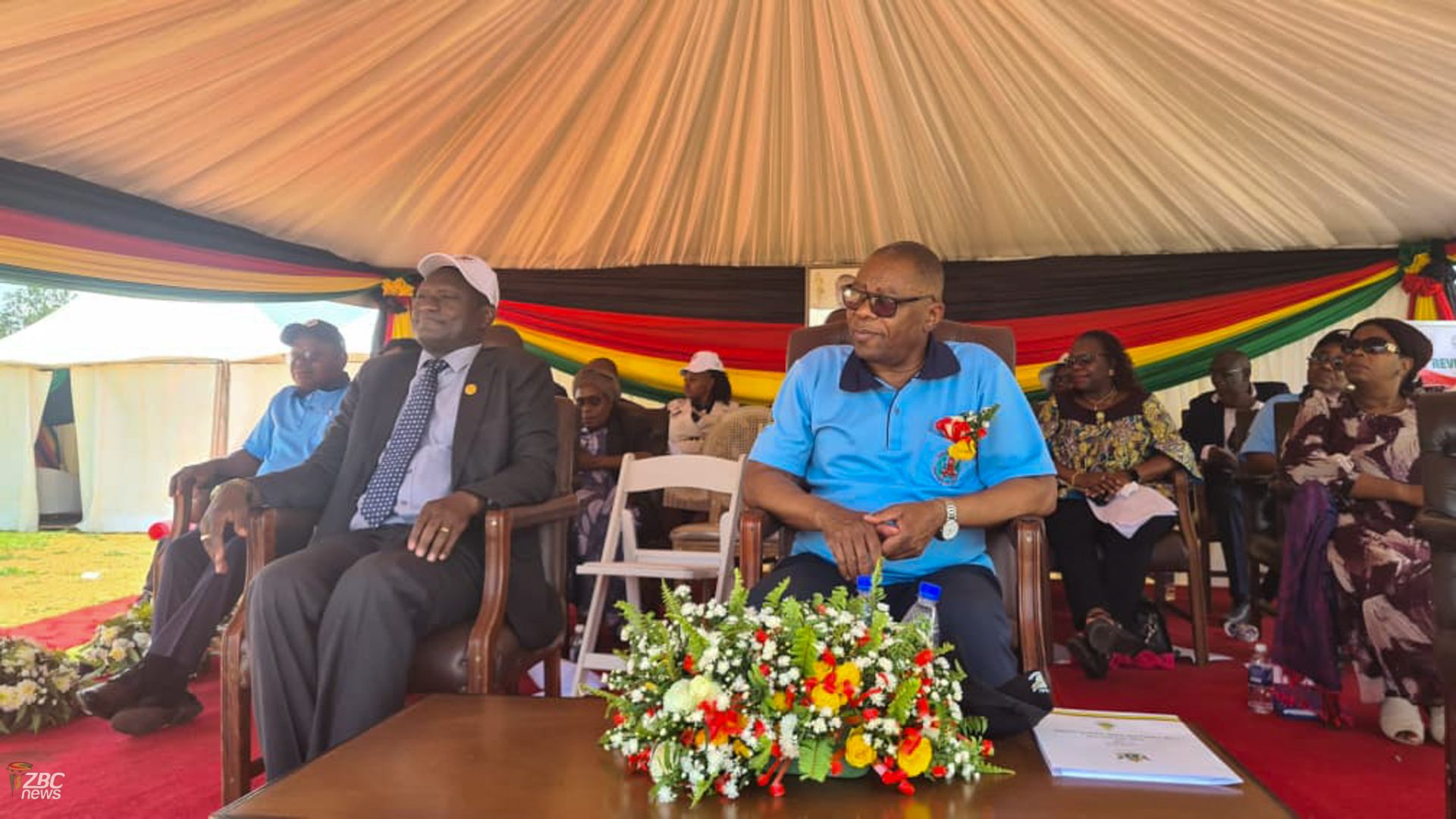
This was the key takeaway from commemorations to mark World Aids Day at Unzingwane High School in Matabeleland South Province this Monday.
As the nation moves to implement the National Development Strategy 2, there is consensus among thousands who attended the commemorations that the prioritisation of health infrastructure and drugs will go a long way in preserving the gains made in the fight to end AIDS by 2030.
For Thokozani Nkala of Unzingwane, who was born with HIV in 2000, her journey has become a telling story of Zimbabwe’s journey to end stigma and discrimination as the nation surges towards an AIDS free population.
“I was born with HIV, but it was not the end of the world. I am here living a positive life. I had to learn to take my pills as a child and now I am a living testimony.”
“When I discovered that I was HIV positive, I thought my life was over, but with the help I got, I am living a healthy life and I am so grateful. For people living with HIV, this day is a time to honour the memory of those who have passed with AIDs, it is a moment to celebrate resilience among people living with HIV,” an HIV patient said.
As Zimbabwe celebrates the strides made in the fight against HIV and AIDS, credit is being given to the resilience of its people and the strategies adopted by government.
“As Zimbabwe, we want to congratulate ourselves, our government was forward thinking with the establishment of AIDS trust fund which has come in a big way to ensure that we do not run out of ARVs, laboratory diagnostic and any other HIV related activities,” National AIDs Council’s Chief Executive Officer, Dr Bernard Madzima noted.
“Zimbabwe is among just countries, including Botswana, Eswathini, Lesotho, Malawi, Namibia and Zambia that achieved and surpassed the UN 2020 target of 95-95-95 in 2024. I must profoundly acknowledge the foresight of the Government of Zimbabwe for institutionalising the AIDS fund, which has been instrumental in plugging gaps created in the funding architecture,” Ad-Interim UN Zimbabwe Representative, Etona Ekole added.
“Data shows that Matabeleland South province has both the HIV incidence and the highest HIV prevalence in the country, something that continues to worry us. We therefore hope that this national honour to host the World AIDS Day will attract more attention to how we can address this challenge,” Minister of State for Matabeleland South Provincial Affairs and Devolution, Honourable Albert Nguluvhe said.
Government has assured the nation that it will prioritise the well-being of its citizenry through various strategies to harness critical drugs.
“We have met the 95-95-95 target and today, more of our people living with HIV are living long lives. This did not happen by chance. It happened because communities, health workers, government and partners worked together. This year, we registered milestones. Zimbabwe was selected among the first ten countries to access Lenacapavir. We also strengthened services for children, our new advanced HIV policy in the roll of a simplified child anti-retroviral tablet ensures early treatment and easier administration for caregivers,” Minister of Health and Child Care, Dr Douglas Mombeshora said.
Running under the theme: ‘Overcoming disruptions, transforming the AIDS response,’ the World AIDS Day commemorations were preceded by a candlelight memorial in honour of the victims of HIV and AIDs and a marathon.

