



Story by Theophilus Chuma
ZIMBABWE is renewing the fight for reforms within the Convention on International Trade in Endangered Species (CITES) framework, calling for the lifting of the international ivory trade ban which is fuelling a ballooning elephant population.
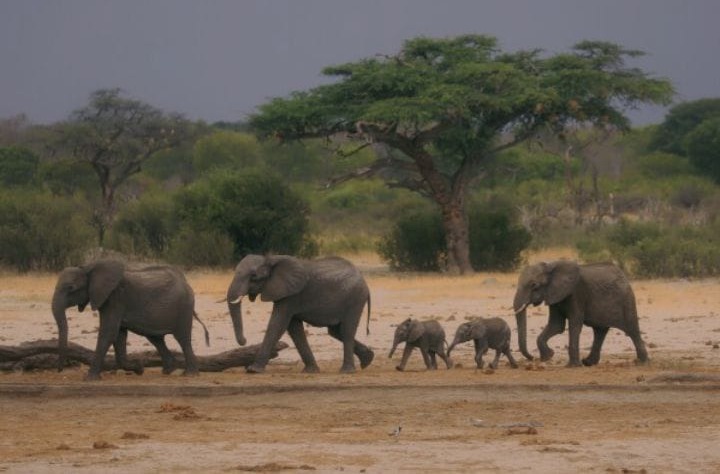
An elephant population now estimated to be reaching 100 000, a figure that is almost double the carrying capacity of the country’s national park, authorities are labouring on this wildlife burden which they say is overwhelming.
A standing international ban on ivory trade upheld CITES has only worsened the situation, as the country cannot trade its ivory stockpile to finance conservation as well as to combat poaching.
Authorities are hoping there will be a unified voice within Africa when leaders meet at the 20th Conference of the Parties (COP-20) to CITES in November this year.
“Mainly, we are looking at the ballooning number of elephants that we have in the country. Our ecosystem can no longer support such numbers. Elephants are becoming a danger to themselves because of the numbers. We are aiming to speak with one voice, not only as SADC, but Africa as a whole. We are pushing for a unified African stance. If a country hosts elephants, it should have more say in how to manage them. It is concerning that nations with no elephants are voting to keep the ban,” Zimparks Communications Manager, Mr Tinashe Farawo said.
Yet, it is not only the extremely huge elephant population that is presenting a major burden for authorities to contend with.
There is growing competition for food and water which in many instances results in conflicts between humans and elephants.
Available statistics from the Zimbabwe Parks and Wildlife Management Authority (Zimparks) show that as many as 50 people are killed by elephants each year.
Conservation efforts have also been the greatest casualty.
“If you look at the Campfire programme, it was benefitting almost one million people through hunting and as pressure continues, those numbers will continue to decline because fewer people will be participating in the activities,” Mr Farawo noted.
Wildlife conservation experts say the continued ban on ivory and elephant products will perpetuate the burden on communities that bear the cost of living with the animals.

