



Story by Memory Chamisa
THE Zimbabwe Broadcasting Corporation (ZBC) is taking a proactive stance in addressing sexual harassment issues at the workplace by crafting clear policies and robust reporting mechanisms, while also ensuring continuous training for its employees.
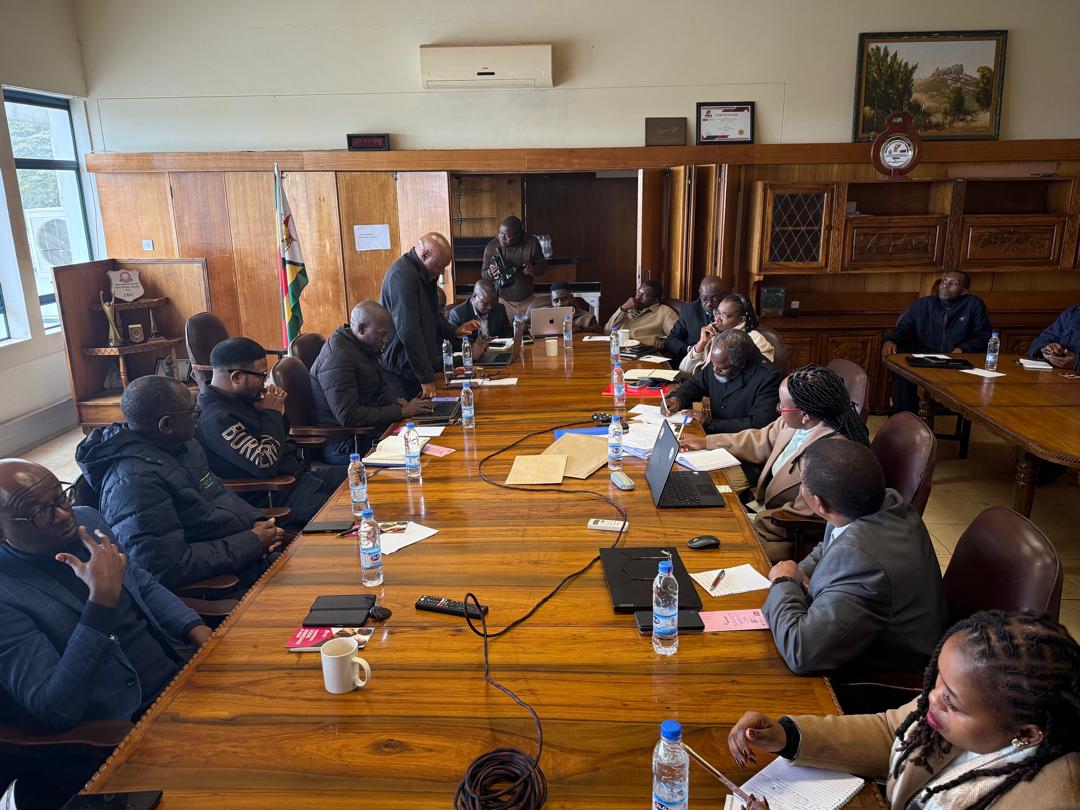
This came out at a Sexual Harassment workshop for management held at the Pockets Hill Studios in Harare this Monday.
Facilitated by the Gender Media and Connect, the sexual harassment engagement is one of the initiatives by the national broadcaster to address the challenge.
“Employees should be encouraged to speak up, offer support to those harassed, and report incidents to the appropriate authorities. As management, we need to foster a culture of respect, inclusivity, and accountability where all employees feel valued and empowered to speak up,” ZBC’s Legal Manager, Ms Berlinda Chitote said.
“This workshop comes at an opportune time for us as a company and gives us the room to examine where we fall short and correct it, be it our policies and practices, giving room to come up with those that protect employees from such vices,” ZBC’s Human Resources Manager, Mr Christopher Mugumbate said.
“This is the second workshop we are having this year from on sexual harassment and as a senior female leader here it is imperative secure support from top management to demonstrate a commitment to creating a harassment free workplace that ensures that reporting mechanisms are easily accessible and confidential, and that those who report harassment are protected from retaliation,” the for Director Internal Audit at ZBC, Mrs Lizzy Chikerema said.
“Tackling sexual harassment in the workplace is crucial. Today’s session gives us a comprehensive understanding of sexual harassment, its implications, and practical steps for preventing, managing, and tackling it within our newsrooms and other departments,” Acting News Editor, Mr Wadzanai Mhombera added.
Gender and Media Connect Programmes Officer, Ms Sharon Sithole, said sexual harassment is a persistently common feature at the workplace, hence the need for continuous awareness and understanding.
“Although we have seen action to tackle sexual harassment, such as legislation, social movements, and awareness campaigns, it remains a prominent concern. All incidents of sexual harassment are unacceptable and need to be taken seriously, not only because of the legal implications but because of their adverse effects on individuals, organisations, and society.
“Everyone has the right to be treated with dignity and respect at work. However, dealing with reports about sexual harassment is not enough, and organisations need to take steps to prevent it from occurring in the first place,” she said.
The Second Republic has already put in place the Media Industry Sexual Harassment and Sexual Violence Policy to create a media environment that is free from sexual harassment, exploitation, and abuse, with a view to ensuring maximum work productivity.

