



Story by Tamuka Charakupa
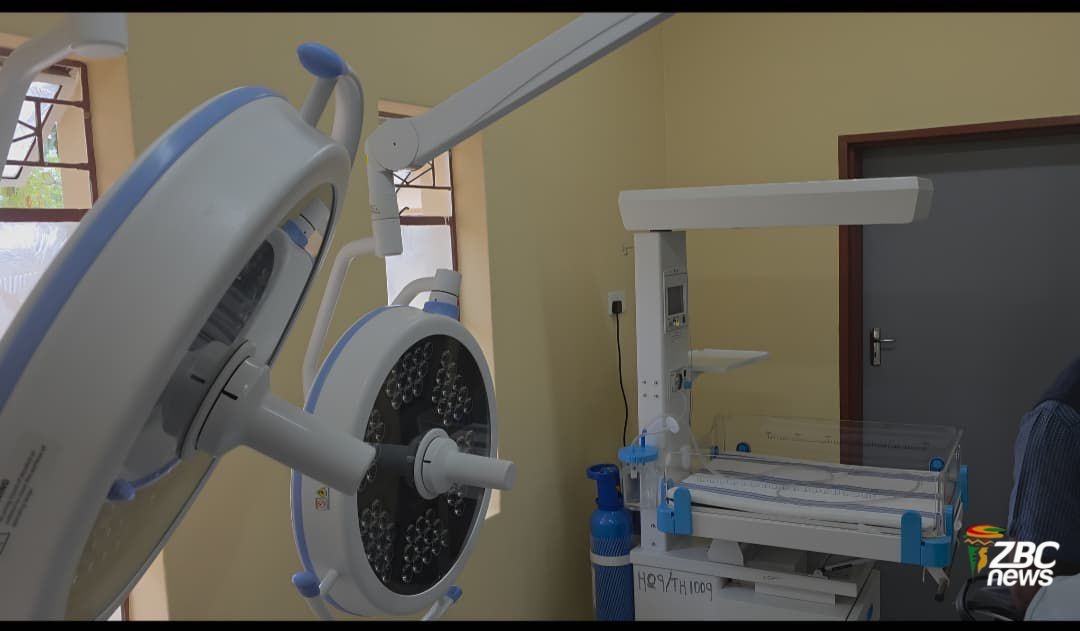
WOMEN in the remote lakeside community of Siakobvu in Kariba district are set to benefit from improved access to lifesaving healthcare following the installation of modern cervical cancer screening equipment at Siakobvu Hospital.
The development is part of ongoing government efforts to decentralise specialised health services and ensure communities in hard-to-reach areas access quality healthcare.
For years, women in Siakobvu had to travel more than 250 kilometres to towns such as Karoi and Chinhoyi for cervical cancer screening services, a journey that was costly and often delayed early diagnosis.
Beneficiaries say the availability of the service at their local hospital will help save lives through early detection and treatment.
“As someone who has experienced the pain and fear that comes with cancer, having these screening services closer to home means a lot to us as women in this community. In the past, we had to travel very long distances to access these services, which was difficult for many families. With this equipment now available at our local hospital, more women will be able to get screened early and receive treatment on time. This will help save many lives,” cancer patient Mrs Abina Muroye said.
Siakobvu resident Mrs Egifa Amos echoed similar sentiments.
“We used to travel very far to towns like Karoi and Chinhoyi to get screened for cervical cancer and many women could not afford the transport costs. Having this service here in Siakobvu will help many women get screened early and receive treatment on time,” she said.
Traditional leader, Chief Nebiri welcomed the development, saying it demonstrates government commitment to improving service delivery in marginalised areas.
“Indeed, this development shows that the government is committed to ensuring that no one and no place is left behind. For many years, people in remote areas like Siakobvu struggled to access critical health services such as cervical cancer screening. The coming of this equipment to our local hospital means our women can now receive these services closer to home, saving both time and lives. As traditional leaders, we welcome this initiative and encourage our communities to make full use of these health services,” he said.
The equipment was installed through a partnership between the Ministry of Health and Child Care and the Clinton Health Access Initiative as part of efforts to strengthen healthcare delivery in underserved communities.
Mashonaland West Provincial Medical Director Mr Celestino Dhege said the move is a key step towards decentralising specialist services.
“The decentralisation of specialist health services is a critical step towards improving access to quality healthcare across the province. By capacitating Siakobvu Hospital with modern equipment and specialised services, we are bringing essential healthcare closer to communities that previously had to travel long distances. This development also lays the groundwork for the establishment of a nursing training school here, which will help strengthen the health workforce while improving service delivery in this part of the province,” he said.
Country Director for the Clinton Health Access Initiative, Dr Sangiwe Moyo, said the newly commissioned VIAC unit enables early detection and treatment of precancerous conditions.
“The VIAC unit that we are commissioning today is equipped with modern technology that enables health workers to screen women and detect precancerous lesions at a very early stage. Early detection is critical in preventing deaths from cervical cancer because once the condition is identified early, it can be treated before it develops into cancer. The equipment also allows for immediate treatment of some lesions, which means women can receive care without having to travel long distances to bigger hospitals,” she said.
Mashonaland West Minister of State for Provincial Affairs and Devolution Honourable Marian Chombo said the initiative reflects government’s commitment to inclusive service delivery.
“As a government, we remain committed to the principle of leaving no one and no place behind when it comes to service delivery. Communities such as Siakobvu have for a long time faced challenges in accessing critical health services because of their remote location. That is why we are prioritising areas like Siakobvu to ensure that people in hard-to-reach communities also benefit from modern healthcare services. The introduction of cervical cancer screening equipment here is a clear demonstration of the government’s commitment to improving the well-being of our people, particularly women who previously had to travel long distances to access these services,” she said.
According to health experts, Cervical cancer remains the leading cancer among women in Zimbabwe, claiming more than 2,000 lives annually, with early screening regarded as the most effective way to prevent deaths from the disease.

