



Story by Online Reporter
SUGARY drinks and alcoholic beverages are becoming increasingly affordable in many countries due to persistently low tax rates, a trend the World Health Organization (WHO) says is fuelling rising cases of obesity, diabetes, heart disease, cancers and alcohol-related injuries, particularly among children and young adults.
In two global reports released recently, WHO urged governments to significantly strengthen taxes on sugary drinks and alcoholic beverages, warning that weak tax regimes are allowing health-harming products to remain cheap while public health systems face growing pressure from preventable noncommunicable diseases and injuries.
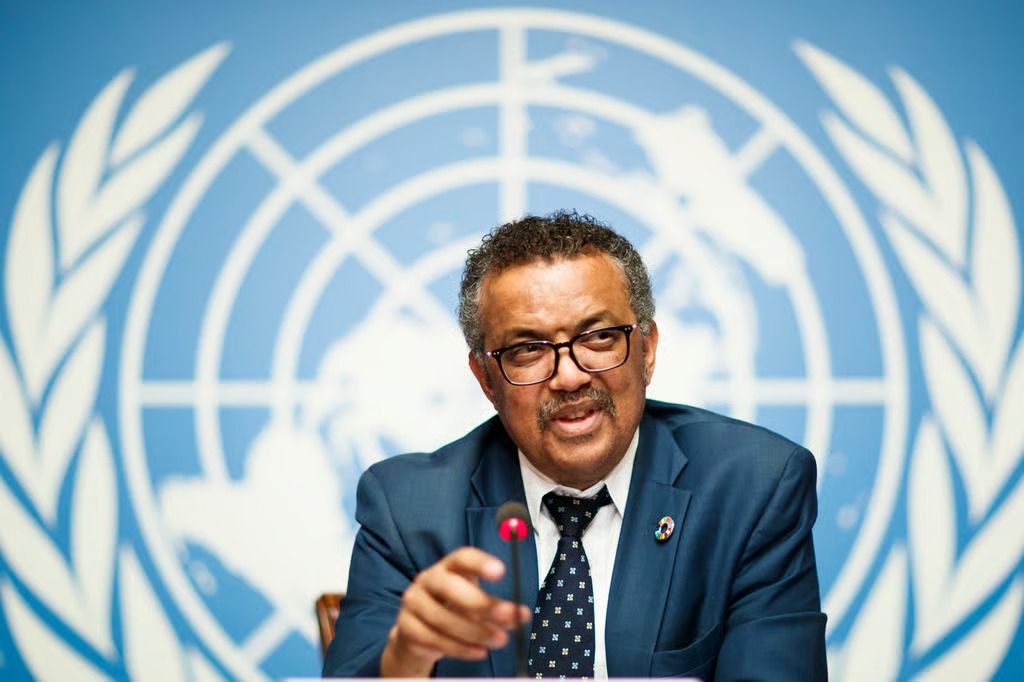
WHO Director-General Dr Tedros Adhanom Ghebreyesus said health taxes remain one of the most effective policy tools available to governments. He noted that increasing taxes on products such as tobacco, sugary drinks and alcohol can reduce harmful consumption while also generating revenue for essential health services.
“Health taxes are one of the strongest tools we have for promoting health and preventing disease. By increasing taxes on products like tobacco, sugary drinks and alcohol, governments can reduce harmful consumption and unlock funds for vital health services,” Dr Ghebreyesus said.
According to the reports, the global market for sugary drinks and alcoholic beverages generates billions of dollars annually, yet governments capture only a small share of this value through health-related taxes. As a result, societies are left to shoulder the long-term health and economic costs linked to excessive consumption.
“The combined global market for sugary drinks and alcoholic beverages generates billions of dollars in profit, fueling widespread consumption and corporate profit. Yet governments capture only a relatively small share of this value through health-motivated taxes, leaving societies to bear the long-term health and economic costs.”
“The reports show that at least 116 countries tax sugary drinks, many of which are sodas. But many other high-sugar products, such as 100% fruit juices, sweetened milk drinks, and ready-to-drink coffees and teas, escape taxation. While 97% of countries tax energy drinks, this figure has not changed since the last global report in 2023,” WHO says.
According to the findings, at least 116 countries currently impose some form of tax on sugary drinks, most commonly carbonated soft drinks. However, many high-sugar products, including 100 percent fruit juices, sweetened milk beverages and ready-to-drink coffees and teas, remain outside existing tax frameworks. While 97 percent of countries tax energy drinks, this proportion has not changed since 2023.
A separate WHO assessment revealed that at least 167 countries levy taxes on alcoholic beverages, while 12 countries ban alcohol entirely. Despite this, alcohol has become more affordable or has remained unchanged in price in most countries since 2022, largely because tax rates have not kept pace with inflation or rising incomes. Wine remains untaxed in at least 25 countries, mainly in Europe, despite evidence linking alcohol consumption to serious health risks.
Dr Etienne Krug, Director of WHO’s Department of Health Determinants, Promotion and Prevention, warned that cheaper alcohol contributes directly to violence, injuries and disease. He said while industry profits continue to grow, communities bear the health burden and governments absorb the economic costs.
“More affordable alcohol drives violence, injuries and disease. While industry profits, the public often carries the health consequences and society the economic costs,” highlighted Dr Krug.
The reports further indicate that tax shares on alcohol remain low worldwide, with median excise shares of 14 percent for beer and 22.5 percent for spirits. Sugary drink taxes are also described as weak and poorly targeted, with the median tax accounting for just about two percent of the retail price of a common sugary soda. In many cases, taxes apply only to a limited range of beverages, leaving large segments of the market untaxed.
WHO also found that few countries regularly adjust health taxes for inflation, allowing sugary drinks and alcohol to become progressively more affordable over time. This trend persists despite evidence of public support for stronger measures. A 2022 Gallup poll cited in the reports found that a majority of respondents supported higher taxes on alcohol and sugary beverages.
In response, WHO is calling on governments to raise and redesign health taxes under its new “3 by 35” initiative, which seeks to increase the real prices of tobacco, alcohol and sugary drinks by 2035. The organisation says making these products less affordable over time is critical to protecting public health and easing the long-term burden on health systems.

