



Story by Theophilus Chuma
Sustainable use of wetlands has turned into a new agricultural frontier for rural communities that are reaping huge from utilising the natural resource to power productivity.
As part of the Second Republic’s environmental protection, government has strengthened mechanisms to protect wetlands as a measure towards poverty reduction, livelihood security, and resilience against climate change in line with Vision 2030.
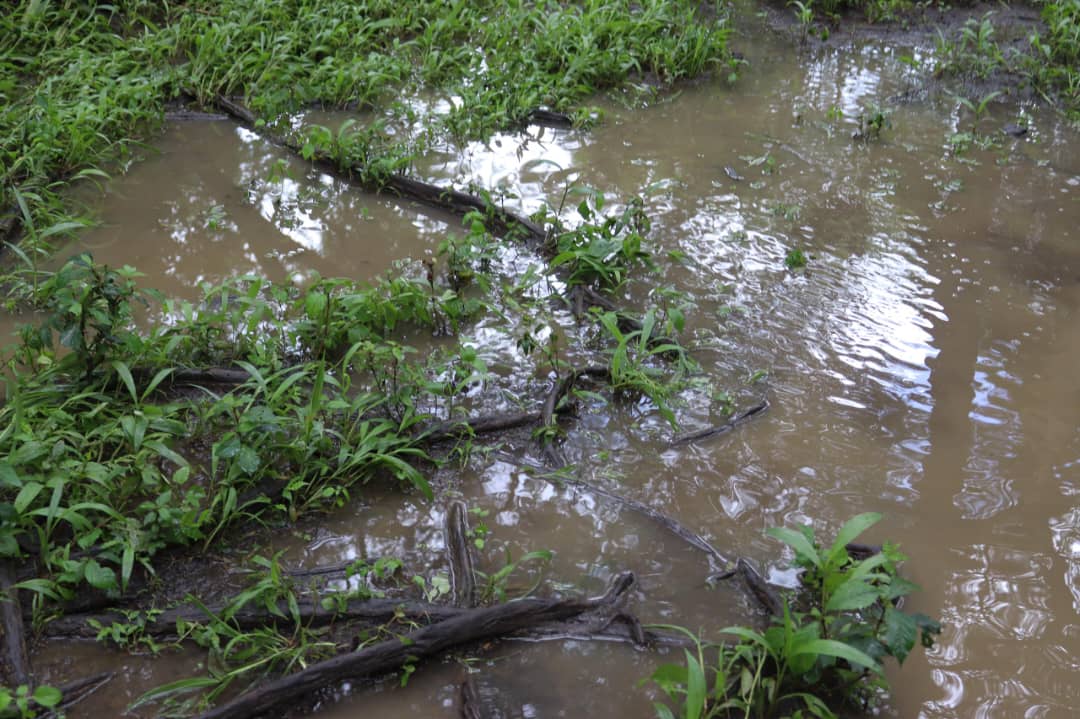
Jessy Nyoni is among the women who have worked in this garden for years, utilising the available water resource from the revived wetland in the Kasibo area of Hwange.
In this farming venture, they have unlocked agricultural potential, boosting their income and savings.
Their produce feeds many within Hwange, providing food and nutrition security for thousands within this town.
Farmer, Jessy Nyoni said, “We are seeing so many benefits from this wetland. We can now look into the future with hope because our incomes are now more secure. We utilise the water all year round and this allows us to diversify our produce. That way, we can sell different products.”
“We are grateful to this programme that has revived the wetland. We can safely say that we are now resilient to the effects of climate change as we no longer depend on rains for production,” another farmer added.
Environmental protection and resilience is one of the priority areas under the Second Republic, with government implementing the Zimbabwe National Wetlands Policy and Wetlands Management Guidelines of 2022.
The Environmental Management Agency reveals that over 300 000 hectares of wetlands have been rehabilitated so far.
The restoration of wetlands has emerged as a critical resilience tool for communities, important for poverty reduction and livelihood security in the face of climate change.
Kasibo Village Head Zwale Nyathi said, “This wetland has become a beacon of hope for hundreds of families. For example, in this area, we did not feel the impact of climate change because of the abundant water from our wetland. We utilised the water to feed our gardens, so issues of hunger were not a challenge”
Kasibo Garden in Hwange is just one among many examples where communities are utilising wetlands to build livelihoods.
For Nyoni and many others, the programme goes beyond just protection of the wetland but provides an opportunity for enhanced empowerment for women, building on the trajectory of Leaving No One and No Place Behind.

