



By Princess Kelelo PM Dhlamini
Skade
Water harvesting is a vital practice that involves the collection and storage of rainwater for various uses, including drinking, irrigation, and industrial purposes. In Africa, where water scarcity is a significant challenge, water harvesting is an essential strategy for ensuring water security and mitigating the impacts of drought.
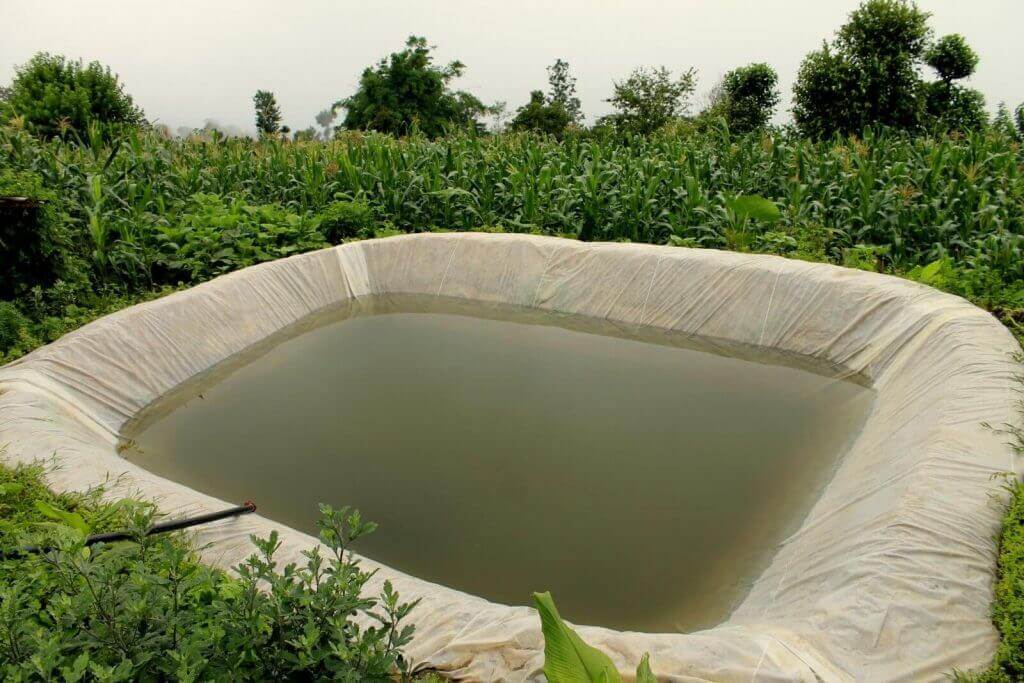
Since it’s the rainy season and moreover we are receiving heavy rains, this is our great opportunity to have a little talk about water reservoirs.
Africa is a continent with vast water resources, but the availability of water varies greatly from one region to another. While some countries have abundant water resources, others face severe water scarcity, particularly during the dry season. The lack of water storage infrastructure exacerbates the problem, leaving many communities vulnerable to drought and water-borne diseases.
The need for water harvesting in Africa cannot be overstated. With a growing population and increasing demand for water, the continent’s water resources are under immense pressure. Climate change is also altering the patterns of rainfall, leading to more frequent and severe droughts. In this context, water harvesting offers a vital lifeline, enabling communities to collect and store rainwater for use during dry periods.
One of the primary benefits of water harvesting is that it reduces reliance on groundwater, which is often scarce and vulnerable to contamination. By collecting and storing rainwater, communities can reduce their dependence on groundwater, which helps to conserve this valuable resource for future generations.
Water harvesting also has numerous economic benefits. By providing a reliable source of water, water harvesting can support agriculture, industry, and other economic activities. This, in turn, can help to reduce poverty and improve living standards, particularly in rural areas where access to water is often limited.
In addition to its economic benefits, water harvesting also has significant social benefits. By providing access to clean water, water harvesting can help to reduce the incidence of water-borne diseases, such as cholera and diarrhea. This, in turn, can help to improve public health and reduce the burden on healthcare systems.
Furthermore, water harvesting can help to promote food security, particularly in areas where rainfall is unreliable. By collecting and storing rainwater, farmers can irrigate their crops, even during dry periods, which helps to ensure a stable food supply.
Aquaculture, also known as aqua farming, is another area where harvested water can be utilized. Aquaculture involves the cultivation of aquatic plants and animals, such as fish, shellfish, and algae, in controlled environments. By using harvested water, aqua farmers can reduce their reliance on groundwater and surface water, which can be scarce and vulnerable to contamination.
Yes, water harvesting is the future of our sustainable development for Africa. Zimbabwe has several examples of successful water harvesting projects. One example is the Zimbabwe National Water Authority’s (ZINWA) water harvesting program, which aims to promote water harvesting and conservation practices among farmers and communities. The program involves the construction of dams and reservoirs to collect and store rainwater for irrigation and other uses.
Another example is the Chinyika Smallholder Irrigation Scheme in Manicaland Province, which uses harvested rainwater to irrigate crops such as maize, tobacco, and soybeans. The scheme has improved crop yields and incomes for local farmers and has also helped to reduce poverty and improve food security.
The Zimbabwe Farmers’ Union (ZFU) has also implemented a water harvesting program, which provides training and technical support to farmers on water harvesting and conservation practices. The program has helped to improve crop yields and incomes for local farmers, and has also helped to promote sustainable agriculture practices.
We also have the City of Bulawayo which has implemented a water harvesting program, which involves the collection and storage of rainwater from rooftops and other surfaces. The program aims to reduce the city’s reliance on groundwater and surface water sources, and to promote water conservation practices among residents.
These are just a few examples of successful water harvesting projects in Zimbabwe. There are many other initiatives and programs underway across the country, all aimed at promoting water harvesting and conservation practices and improving water security for farmers, communities, and cities.
For example, in South Africa, a company called Aquaculture Innovations has developed a system for raising tilapia using harvested rainwater. The system involves collecting rainwater from the rooftops of buildings and storing it in tanks. The water is then used to fill ponds where the tilapia are raised.
In Kenya, a non-profit organization called KickStart has developed a low-cost system for irrigating crops using harvested rainwater. The system involves collecting rainwater from the rooftops of buildings and storing it in tanks. The water is then used to irrigate crops, such as maize and beans, which are grown using drip irrigation systems.
In Tanzania, a company called Aqua-Farms has developed a system for raising catfish using harvested rainwater. The system involves collecting rainwater from the rooftops of buildings and storing it in tanks. The water is then used to fill ponds where the catfish are raised.
These examples demonstrate the potential of water harvesting to support aquaculture and promote food security in Africa. By collecting and storing rainwater, aqua farmers can reduce their reliance on groundwater and surface water, which can be scarce and vulnerable to contamination.
In addition to its economic benefits, water harvesting also has significant environmental benefits. By reducing the amount of water extracted from groundwater and surface water sources, water harvesting can help conserve these valuable resources for future generations.
Furthermore, water harvesting can help to reduce the amount of pollutants that enter waterways, which can harm aquatic ecosystems and human health. By collecting and storing rainwater, communities can reduce the amount of stormwater runoff that enters waterways, which can carry pollutants such as sediment, nutrients, and bacteria.
Water harvesting is a vital practice that can help to improve water security and promote sustainable development in Africa. By collecting and storing rainwater, communities can reduce their reliance on groundwater, promote food security, and alleviate poverty.
Aquafarming is another area where harvested water can be utilized, providing a reliable source of water for raising aquatic plants and animals.
Governments, civil society organizations, and communities must work together to promote water harvesting and conservation practices, raise awareness about the importance of water harvesting, and develop and implement policies and regulations that support water harvesting and conservation practices. Our continent is our home, we all need to make the best out of it.

