



Story by Abigirl Tembo
ZIMBABWE and India continue to consolidate a long-standing partnership, anchored in strong diplomatic relations, expanding trade cooperation and growing people-to-people exchanges.
Government says the ties are central to Zimbabwe’s broader international engagement and economic diplomacy drive in line with the National Development Strategy 2.
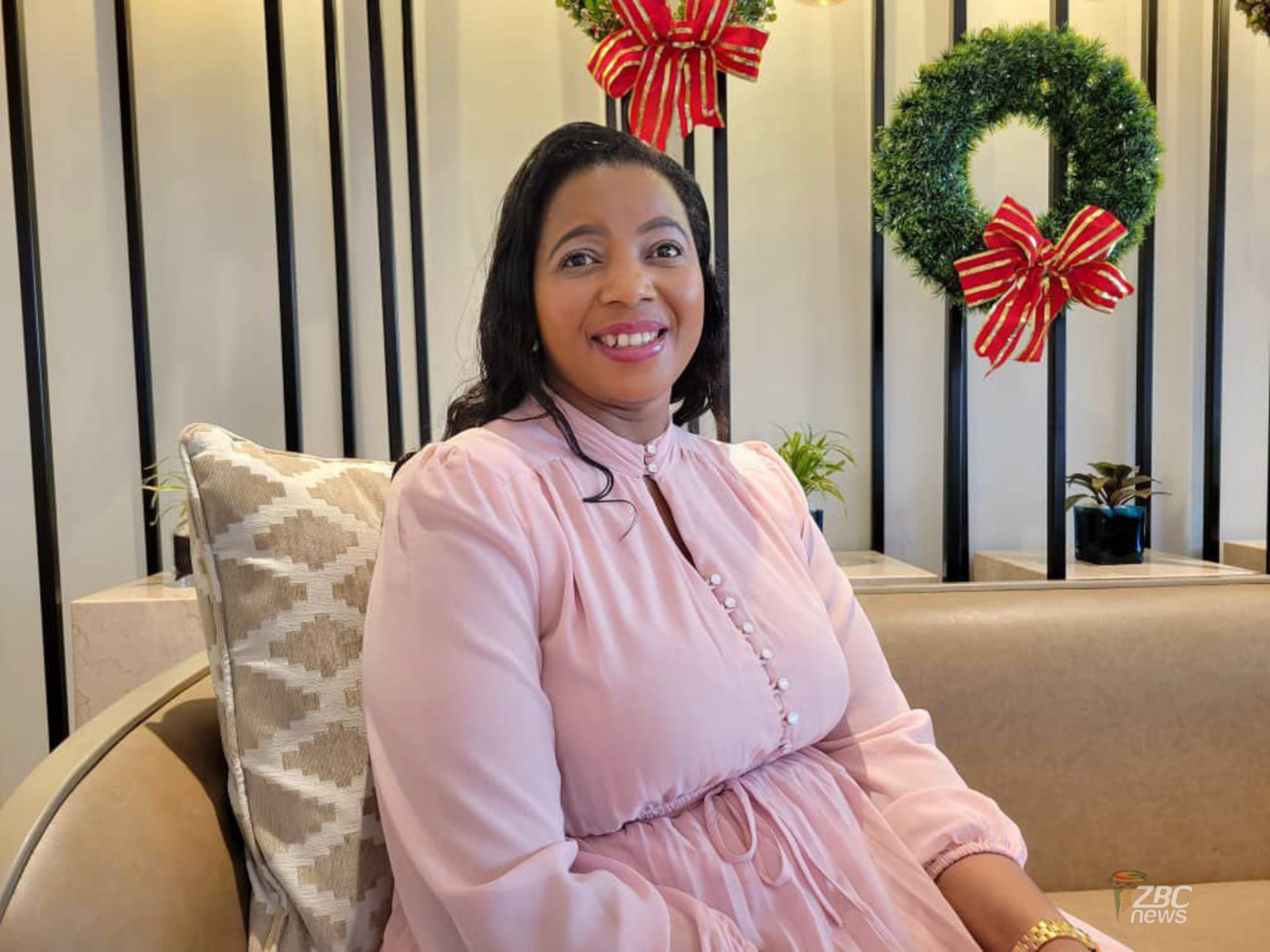
Zimbabwe’s top envoy to India, Ambassador Stella Nkomo, says relations between Harare and New Delhi remain excellent, with diplomatic ties stretching back to the 17th century, long before the establishment of formal modern relations.
Trade remains a key pillar of Zimbabwe-India relations, with both countries working to grow volumes and diversify exports.
“It was when the Prime Minister of India was the President of G20 that he invited African Union to sit in G20 which is what we see today as a precursor or as a demonstration of India’s commitment to building strong India-African relations. More specifically, for our country, we enjoy a lot of excellent relations across the board from a trade perspective. We are working very hard to ensure that our trade figures between Zimbabwe and India increase. Currently, they are skewed in favour of India, but we hope that within the next five years, we will see a positive outlook,” Ambassador Nkomo said.
“Besides trade, there is a lot of cooperation in education. We have close to 6 000 Zimbabwean students who are currently learning in India, some on Presidential scholarships, but others on private scholarships or on private sponsorship. The Indian government has rolled out a programme which we call i-tech, which sees a lot of public sector employees coming for short courses here in India on various areas.”
Beyond diplomacy, trade and education, Zimbabwe and India share deep cultural and religious links that date back to more than five centuries, ties that are now being elevated as part of soft power diplomacy and tourism promotion.
It is within this context that Vice President General (Rtd) Dr Constantino Chiwenga is expected in Goa on Wednesday, on a visit that places religious heritage and cultural diplomacy at the centre of bilateral engagement.
“Religion is soft power diplomacy. It places a country on a pedestal, which says that its image is sound. The world over, people respect countries that are grounded on religious grounds because religion comes with it, the promotion of peace, security and unity. The coming in of the Vice President here is a testament to the commitment of our country to globally shared values of faith,values-based leadership, as well as the aspect of Christianity being a dominant religion in Zimbabwe.”
In the 15th century, King Kapararidze of the Munhumutapa Empire sent his son, Prince Miguel, to Goa as a trade Ambassador accompanied by three battalions. Prince Miguel later converted to Christianity, became a priest and rose to the position of Vicar and is buried in Goa. Historical records show that three more princes from the Munhumutapa Kingdom later travelled to Goa and also became priests.
The Vice President’s visit is expected to serve a dual purpose, deepening diplomatic relations with India, while also unlocking new tourism and cultural exchange opportunities rooted in shared faith and history.

