



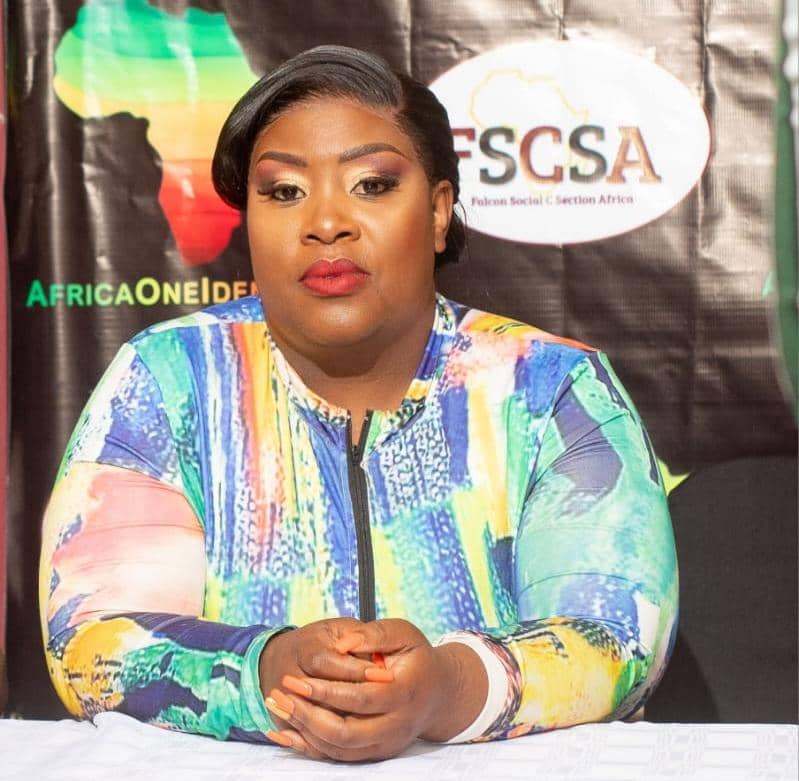
By Princess Kelelo PM Dhlamini
The tradition of excluding pregnant or breastfeeding women from funerals is a complex and multifaceted issue that is deeply rooted in African cultural and spiritual beliefs. In many traditional African societies, pregnancy and breastfeeding are considered sacred and vulnerable states.
For instance, in some cultures, it is believed that pregnant women are more susceptible to spiritual influences, both positive and negative. This belief is tied to the idea that the spiritual world is closely linked to the physical world, and that certain individuals, such as pregnant or breastfeeding women, are more vulnerable to spiritual forces.
In the Shona culture of Zimbabwe, it is believed that the spirit of the deceased may attach itself to the unborn child or the breastfeeding infant, potentially harming them. To protect themselves and their unborn or breastfeeding children, these women are often advised to avoid funerals or graveyards altogether. Similarly, in some South African cultures, pregnant women are discouraged from attending funerals as it is believed that the spirit of the deceased can bring bad luck or even cause a miscarriage.
In certain Nigerian cultures, breastfeeding women are also advised to stay away from funerals, as it is believed that the spirit of the deceased can affect the quality of breast milk.
This practice has had a significant impact on women and communities, often forcing them to stay away from important family and community events, potentially missing out on crucial support and bonding opportunities during times of grief.
However, some communities are re-examining this tradition and adapting it to modern contexts. For instance, some families now allow pregnant or breastfeeding women to attend funerals, but with certain precautions, such as wearing protective clothing or performing cleansing rituals after the funeral.
This tradition of excluding pregnant or breastfeeding women from funerals in Africa is a deeply ingrained practice that is rooted in cultural and spiritual beliefs. While it has significant implications for women’s participation in community life, it is essential to approach this tradition with sensitivity and understanding. By engaging in open and respectful dialogue, communities can work towards finding solutions that balance cultural heritage with the needs and rights of women.
In many cultures, spiritually gifted individuals often avoid attending funerals or entering graveyards due to various beliefs and concerns. One primary reason is the potential vulnerability to negative spiritual energies or entities that may be present in these environments.
“Funerals and graveyards are often associated with intense emotions, grief, and spiritual activity, which can impact sensitive individuals. Some believe that spiritually gifted people may be more susceptible to absorbing or picking up on the energies and emotions surrounding death, potentially affecting their own spiritual well-being.
The spiritual realm is believed to be closely linked to the physical world, and certain locations, such as graveyards, are thought to be portals or crossroads between the two realms. As such, spiritually gifted individuals may be more attuned to the energies and entities that reside in these spaces. Negative energies or entities can drain a person’s energy, cause emotional distress, or even attach themselves to the individual’s aura, leading to spiritual imbalance.
Certain spiritual practices or traditions advise against attending funerals or entering graveyards to protect one’s energy, aura, or spiritual gifts. For example, some cultures believe that the spirit of the deceased may still be present in the graveyard and that spiritually gifted individuals may be more likely to interact with or sense this energy. Others believe that funerals and graveyards are imbued with negative energies, such as grief, sadness, or fear, which can affect a person’s spiritual well-being.
The reasons for avoiding funerals and graveyards can also be rooted in the individual’s personal experiences and sensitivities. Some spiritually gifted people may have had negative experiences in the past, such as feeling overwhelmed or drained after attending a funeral, which can lead them to avoid these situations in the future. Others may have developed a heightened sense of awareness or sensitivity to spiritual energies, making them more cautious about the environments they enter.
Moreover, spiritually gifted individuals may have a deeper understanding of the interconnectedness of all things and the potential consequences of their actions. They may recognise that their presence in certain environments, such as graveyards, can impact not only their own spiritual well-being but also the energies and entities that reside there. As such, they may choose to avoid these situations as a way of respecting the deceased, the grieving process, and their own spiritual integrity.
It is essential to note that these beliefs and practices vary across cultures and spiritual traditions. Not all spiritually gifted individuals may adhere to these guidelines, and some may have different approaches to navigating environments like graveyards or funerals. Some may choose to attend funerals or enter graveyards as a way of honouring the deceased or supporting the grieving process, while others may develop specific rituals or practices to protect their energy and spiritual well-being in these situations.
Ultimately, the decision to avoid funerals and graveyards is often a personal one, rooted in an individual’s unique experiences, beliefs, and spiritual practices. For those who do choose to avoid these situations, it may be a way of maintaining their spiritual integrity, protecting their energy, and preserving their gifts. By being mindful of their surroundings and the potential impact on their spiritual well-being, spiritually gifted individuals can take steps to prioritise their own care and protection.
The avoidance of funerals and graveyards by spiritually gifted individuals is a complex issue, influenced by a range of cultural, spiritual, and personal factors. While not all spiritually gifted individuals may adhere to these practices, for those who do, it can be a way of protecting their energy, preserving their gifts, and maintaining their spiritual integrity in the face of intense emotional and spiritual activity. By understanding and respecting these beliefs and practices, we can gain a deeper appreciation for the diverse ways in which spiritually gifted individuals seek to navigate the world and prioritise their own spiritual well-being.
(These opinions belong to Princess Kelelo PM Dhlamini)

