



Story by Abigirl Tembo
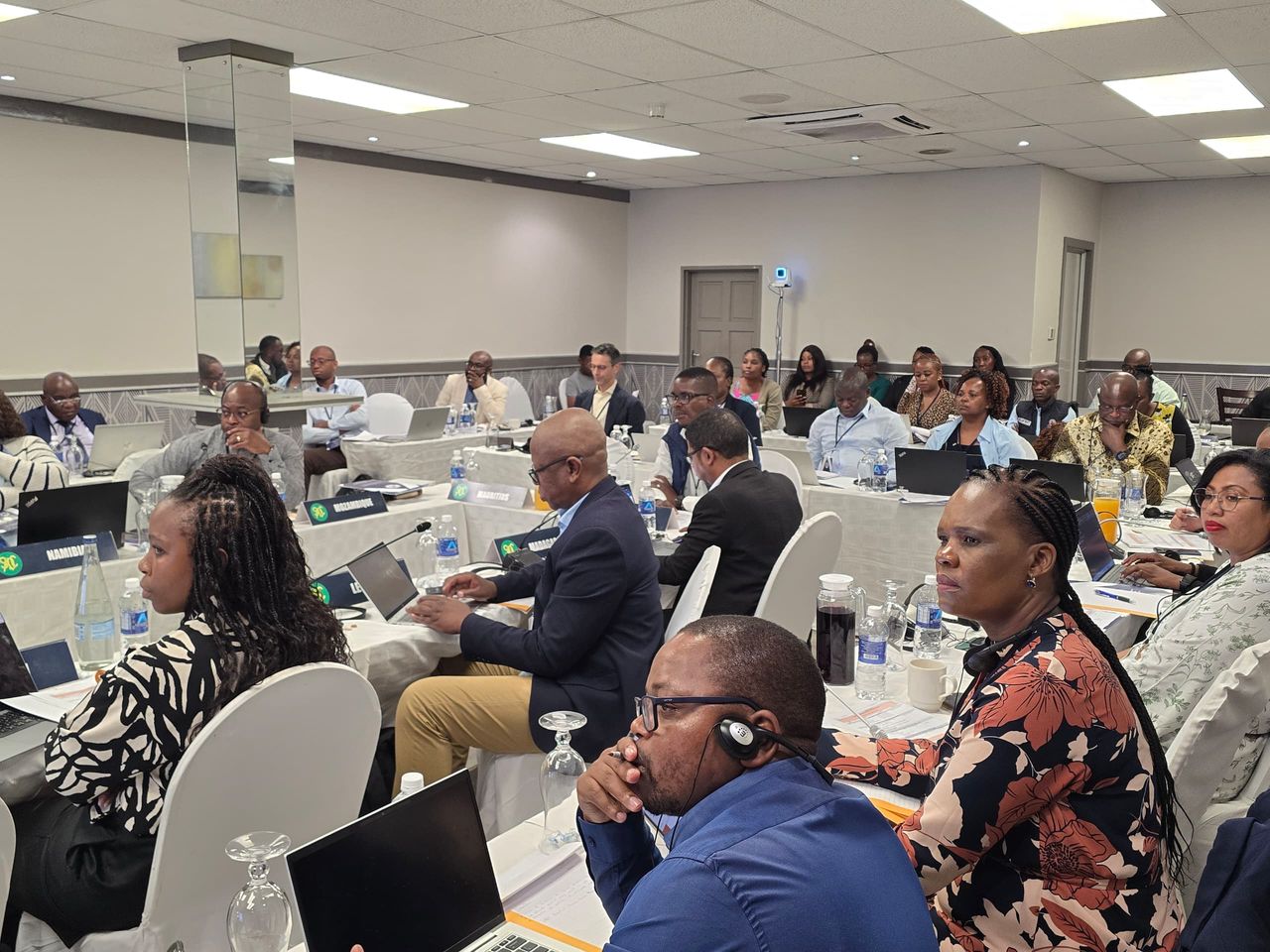
THE Southern African Development Community (SADC) is ramping up efforts to mitigate food insecurity in the region, with key stakeholders convening in Harare for the Regional Vulnerability Assessment and Analysis (RVAA) Programme.
Speaking on the sidelines of the ongoing summit, Chairperson of the SADC Regional Vulnerability Assessment Committee, Dr George Kembo, who also serves as Director General of the Food and Nutrition Council, expressed optimism about the season’s agricultural prospects. He noted that improved climatic conditions and regional coordination efforts could significantly reduce food insecurity in Southern Africa.
“You recall that the region faced the El-Nino induced drought throughout the region, and different member states declared national disasters. Through the unionism of SADC and working together as a region we made a regional appeal for about 51.8 million food insecure people and from that perspective we were able to respond,” Dr Kembo said.
“Different member states actually implemented different strategies, my country Zimbabwe also had to mobilise internal resources significantly to respond to all food insecure people and you can testify that no one was left behind and we didn’t experience catastrophic issues in terms of food security within the country.
“Going forward, what we are looking at as SADC is more to focus on strategies that address food insecurity and recommend strategies which the region can use to complement each other in implementing the reduction of food insecurity.
SADC Head of Disaster Risk Reduction, Ms Nana Dlamini highlighted the critical role of data collection and analysis in responding to disasters and food insecurity.
“You know, with disasters or emergencies, if you cannot document it, it has not happened, and it becomes very difficult to intervene if you do not have robust and exhaustive information,” she said.
“It is through the VAGS that we are able to understand the magnitude and the severity of the impact of disasters, and it is through that information that governments are able to then undertake life-saving and life-sustaining operations. So we do find it very, very critical. It has helped inform us how the drought has impacted different member states. It has also helped us to understand where the communities that are worst affected are and the distribution in terms of population, and in terms of sectors, etc.
The SADC region has long grappled with food security challenges, including the devastating El Niño-induced drought and floods that have left over 56.8 million people facing food insecurity.
In response, the SADC Secretariat launched the US$5.5 billion SADC Regional Humanitarian Appeal for Support.
The region has also initiated various other programmes, including the SADC Regional Agricultural Policy, Food and Nutrition Security Strategy and Climate Change Strategy, which aim to promote sustainable agriculture practices, enhance regional food security and build resilience to climate-related disasters.

