



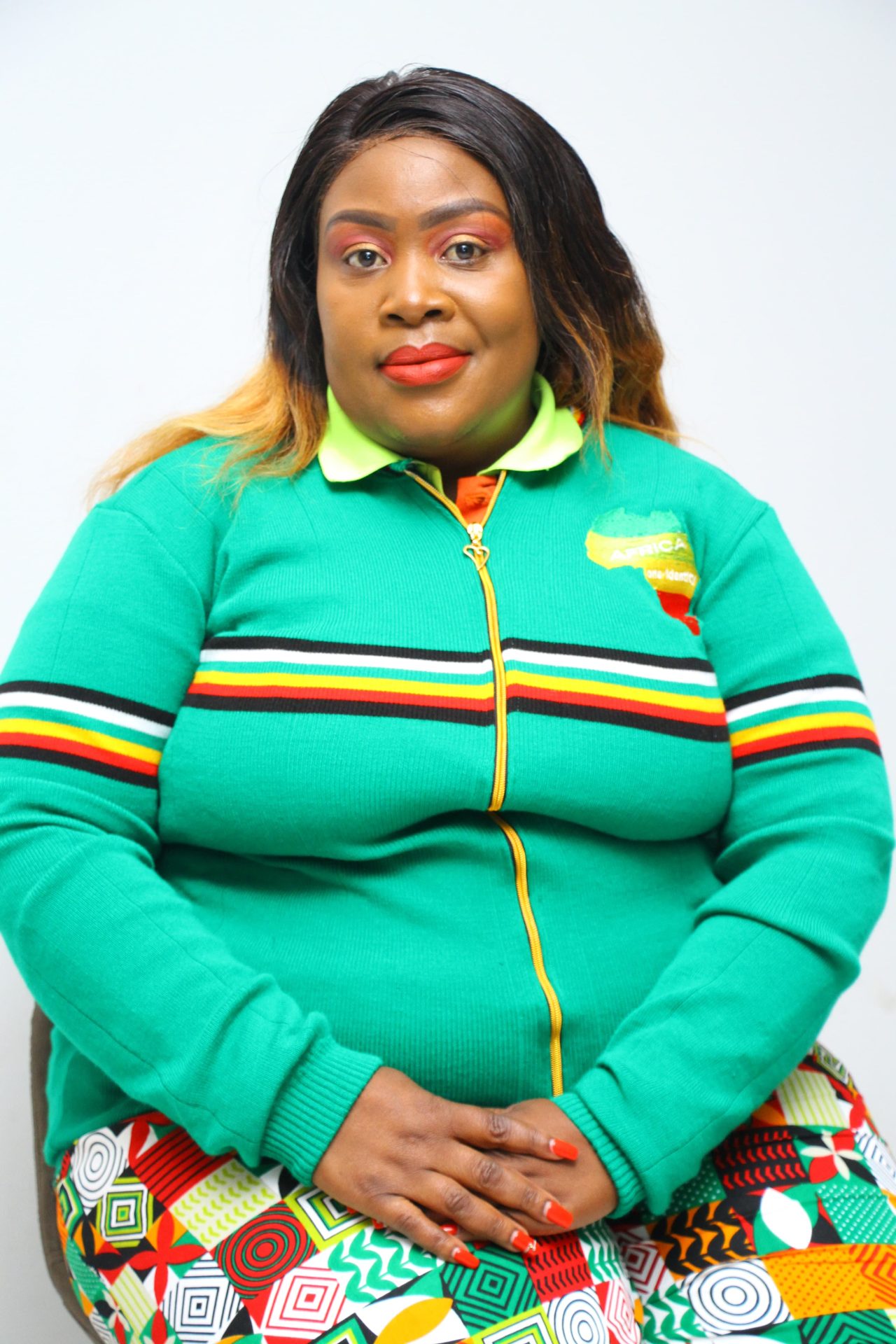
By Princess Kelelo PM Dhlamini
As I reflect on past Independence Day celebrations in Zimbabwe, I am filled with excitement and pride. Celebrated annually on April 18th, the day commemorates our nation’s liberation from British colonial rule in 1980, ushering in a jubilant atmosphere that fills our streets, stadiums, and townships.
With vivid memory, I recall how we celebrated this day in my youth. The morning began with flag-raising ceremonies at government buildings and schools, symbolising our national pride. Military parades showcased the precision and discipline of our defence forces, with marching bands, soldiers, and tanks adding splendour to the proceedings. It was indeed grand particularly in terms of pageantry, and it still is.
Traditional music and dance were always central to the celebrations. Our rich cultural heritage shone through vibrant costumes, rhythmic beats, and energetic performances that displayed the diversity of Zimbabwe’s ethnic groups. I was forever fascinated by the variety of dance styles and musical expressions my personal favourite being Mhande.
In larger towns such as Harare, Bulawayo, and Gweru, fairs and festivals were organised, drawing participation from nearby villages. These events offered a taste of local cuisine, music, and games, creating an irresistible, festive atmosphere. As night fell, fireworks illuminated the skies, adding a magical touch to the celebrations.
The day also featured various competitions, most notably football matches, that fostered community spirit and friendly rivalry. Who can forget the iconic encounters at Rufaro and Barbourfields Stadium? The Children’s Party, hosted by the First Family, also stood out as a major highlight, with thousands of children taking part in games, performances, and activities.
Beyond the festivities, Independence Day is a moment for reflection on our national journey and the struggles we have overcome. It is a time for unity in our continued pursuit of a brighter future, and an occasion to honour our hard-won freedom. Have we ever paused to consider how reflecting on our independence might renew our commitment to national unity and the restoration of our beloved country?
April 18, 1980, marked a pivotal moment in Zimbabwe’s history. On this day, the nation officially gained independence from British colonial rule, ending decades of white minority domination and ushering in an era of self-governance. The road to independence was long, complex, and fraught with both triumph and tragedy.
In 1890, the British South Africa Company (BSAC), led by Cecil John Rhodes, arrived in the territory now known as Zimbabwe. Granted a royal charter to colonise and develop the region—then home to the Shona and Ndebele peoples—the BSAC sought to exploit its natural resources, particularly gold.
Eventually, direct British rule replaced BSAC control, and in 1923, the colony was named Southern Rhodesia. White settlers, predominantly from Britain and South Africa, flocked to the region, drawn by promises of fertile land and economic prosperity. Over time, racial segregation and white minority rule became entrenched.
By the 1960s, as African nations gained independence across the continent, nationalist sentiment grew in Southern Rhodesia. Influential leaders such as Cde Joshua Nkomo, Cde Robert Mugabe, and Cde Ndabaningi Sithole spearheaded the liberation movement. In 1961, the National Democratic Party (NDP) was established under Cde Nkomo’s leadership, seeking to challenge minority rule and push for majority governance. However, the white-led government responded with repression.
Despite colonial constraints, African communities remained resilient. Subsistence farming of maize, millet, and sorghum continued to sustain families and communities. Cattle, integral to Zimbabwean culture and economy, were raised for food, labour, currency, and rituals.
Skilled craftsmen, woodworkers, potters, and textile artisans provided essential tools, garments, and household items. Trade continued within African communities and with settlers. Traditional ceremonies weddings, funerals, initiation rites remained central to cultural identity and community cohesion, symbolising the strength and adaptability of our people.
In 1965, the white-minority regime under Ian Smith unilaterally declared independence from Britain, attempting to preserve white dominance. This move, known as the Unilateral Declaration of Independence (UDI), was widely condemned and met with international sanctions.
The nationalist cause evolved into armed struggle in the 1970s. Guerrilla warfare intensified, waged by the Zimbabwe African National Liberation Army (ZANLA), aligned with Robert Mugabe, and the Zimbabwe People’s Revolutionary Army (ZIPRA), led by Joshua Nkomo. The protracted war took a heavy toll, with atrocities on all sides, yet the liberation forces gradually gained the upper hand.
Eventually, in 1979, the British government convened the Lancaster House Conference, which led to the signing of a peace agreement and the establishment of a path to majority rule.
On April 18, 1980, Zimbabwe was born. Independence celebrations erupted nationwide, with thousands gathering at Rufaro Stadium in Salisbury (now Harare). Cde Mugabe, elected as Prime Minister, addressed the nation, calling for unity and reconciliation.
While the birth of the republic brought immense hope, the post-independence period presented new challenges economic turbulence, social inequality, and political unrest. The scars of colonialism and conflict ran deep. Yet the power of collective struggle and the dream of a prosperous, self-reliant nation remained.
As we commemorate our independence, let us also reflect on the values that guided our struggle: democracy, justice, equality, and perseverance. These ideals must shape the Zimbabwe we envision for future generations.
Our current economic difficulties are real, but they are not insurmountable. The path to independence teaches us that even the harshest struggles can be overcome with unity and resolve. Let us honour our past by striving relentlessly toward a better tomorrow, not only for ourselves but also for our children and grandchildren.
Independence Day is more than a celebration, it is a solemn remembrance and a renewed commitment to building a just, inclusive, and prosperous Zimbabwe.
(The opinions belong to Princess Kelelo PM Dhlamini)

