



Story by Abigirl Tembo, Health Editor
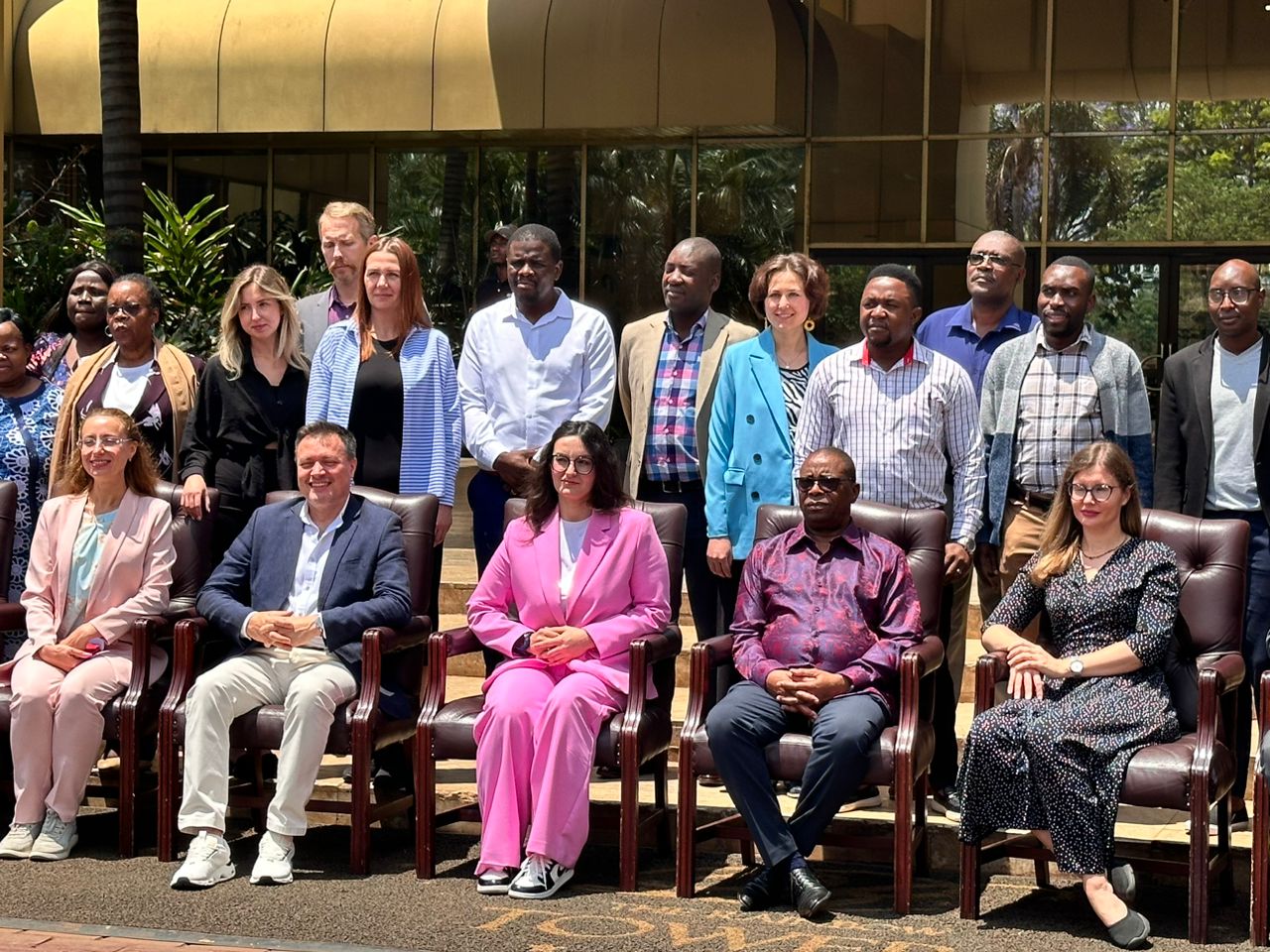
A team of nine medical specialists from Russia is in Zimbabwe on a knowledge transfer programme which will benefit local healthcare professionals in emergency obstetric and neonatal care.
The training programme is part of Zimbabwe’s efforts to strengthen its health workforce and reduce maternal and neonatal deaths.
The Minister of Health and Child Care, Dr Douglas Mombeshora has emphasised the significance of the training programme, highlighting Zimbabwe’s commitment to enhancing healthcare services and addressing the country’s health challenges.
‘‘A team of nine medical professionals is here to support Zimbabwean specialists by sharing their expertise in the management of neonatal and obstetric complications. Our collective aim is to significantly reduce both neonatal and perinatal mortality rates. The Ministry of Health and Child Care has prioritised the enhancement of reproductive, maternal, newborn, child, and adolescent health and nutrition services, he said.
“This aligns with global strategies and our national development plans aimed at improving health outcomes. While Zimbabwe has made commendable progress in reducing maternal mortality-evidenced by high antenatal care coverage and increased institutional deliveries, we recognise that we are still falling short of meeting the Sustainable Development Goals (SDGs) by 2030. Specifically, our targets include reducing maternal and neonatal mortality rates to below 70 per 100,000 live births and 12 per 1,000 live births, respectively,” he added.
The Russian Ambassador to Zimbabwe, His Excellency Nikolai Karasilnikov stressed the significance of maternal and child health.
“In the course of implementation of the international project by the Russian Ministry of Health designed to reduce maternal and infant mortality in Africa and some other parts of the world, the Kulakov Center dispatched a team of medical practitioners for seminars and training sessions to share their knowledge and expertise. Maternal and child health is one of the priorities of the Russian public health service. In recent years, we have succeeded in optimising the maternity care system by increasing its accessibility and quality.
“We are very encouraged by a positive response to the invitation extended to Zimbabwean doctors to participate in the Kulakov Centre seminars in Moscow in November. Bilateral cooperation in healthcare has always been high on the agenda of friendly and cordial discussions held by President Putin and President Mnangagwa. As a result, we have a sustainable growth of interest in Zimbabwe for studying medicine in Russia, humanitarian supplies of vaccines and medical staff delivered to Zimbabwe,” he said.
Zimbabwe has made progress in reducing maternal mortality, with increased antenatal care coverage and institutional deliveries.

