



Story by Abigirl Tembo, Health Editor
ZIMBABWE’s push for medicine self-sufficiency is gathering pace, with the National Pharmaceutical Company, NatPharm, set to establish two manufacturing plants and warehouses in line with the National Development Strategy 2 (NDS2) objectives.
The old NatPharm warehouse has been cleared for a regional pharmaceutical plant, with operations moved to a new facility. Two manufacturing plants are set for outside Harare, marking a bold shift from distribution to local production.
This is part of the government’s push under NDS2 to boost local medicine manufacturing, cut import dependence, and strengthen health security, guided by the National Pharmaceutical Manufacturing Strategy.
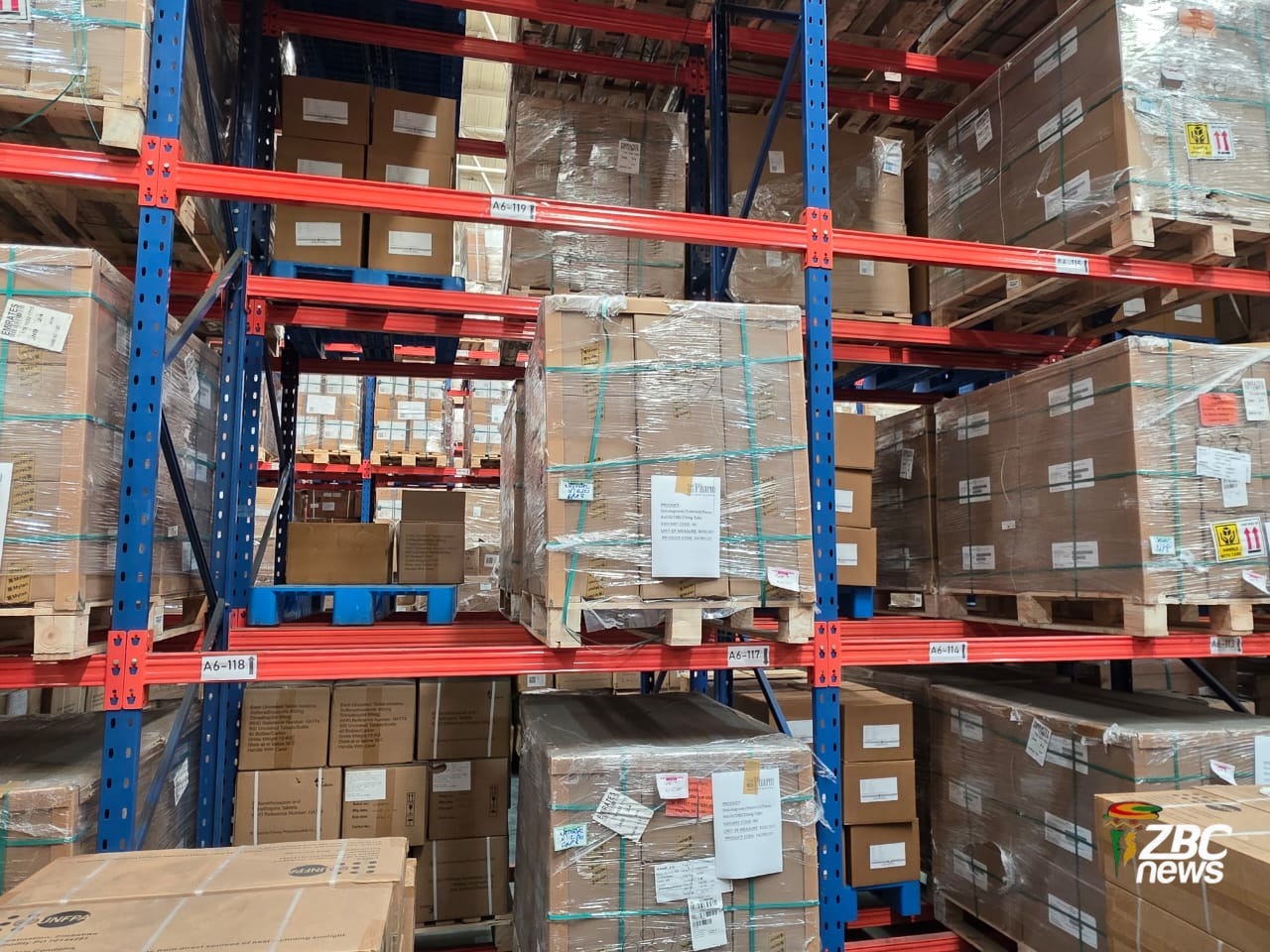
“In NDS2, we are planning to accelerate all the plans that we had in NDS1 to ensure that by 2030, we have met the expectations of the nation and also to achieve the vision of the nation, the 2030 vision. We are planning to manufacture in different regions of the country. We are planning to have at least two manufacturing sites outside of Harare in the spirit of promoting devolution. We are also going to start this year to actually renovate some of our warehouses, particularly the one that we are in here. We are planning to bring it down and build a state-of-the-art warehouse that demonstrates that we are moving forward as a nation to build our infrastructure to be able to service an upper middle-income economy by 2030,” NATPHARM Managing Director, Mr Newman Madzikwa said.
The strategy also targets increasing the share of locally produced medicines from less than 30 percent in 2024 to at least 60 percent by 2030, through investment in modern production facilities, adoption of good manufacturing practices, and promotion of research and development in drug formulation and biotechnology.
“Currently, with other players that are there, we are playing around 30 percent of the market share, but we are approaching that in two ways. One, we support the current manufacturers to increase their capacity. And also, as we are joining the manufacturing sector, we are also going to be contributing as NatPharm, which will definitely increase our capacity too. to 60 percent, and that is definitely a challenge,” he added.
Government is also working to create an enabling policy and regulatory environment by rationalising import controls, strengthening the Medicines Control Authority of Zimbabwe, and providing targeted fiscal and non-fiscal incentives for pharmaceutical manufacturers and investors.
As Zimbabwe accelerates the implementation of NDS2, the establishment of this manufacturing plant positions NatPharm at the centre of efforts to build a resilient, self-sufficient and globally competitive pharmaceutical sector.

