



Story by Providence Maraneli
THE National AIDS Council (NAC) has stepped up efforts to curb new HIV infections in rural Gwanda, following emerging evidence that cattle sales have evolved into transmission hotspots, particularly in Gwanda South and parts of Beitbridge West.
Authorities say the livestock markets often extending late into the night are drawing large crowds of farmers, vendors and itinerant traders. The gatherings have, in turn, attracted sex workers, creating environments associated with higher-risk behaviour.
Gwanda District AIDS Coordinator, Mrs Alice Moyo, said targeted interventions are now being deployed at these high-traffic centres.
“We are targeting cattle sales which have become hotspots because they attract many people and vendors from different places and we are now implementing a lot of programmes targeting these sales”, she said.
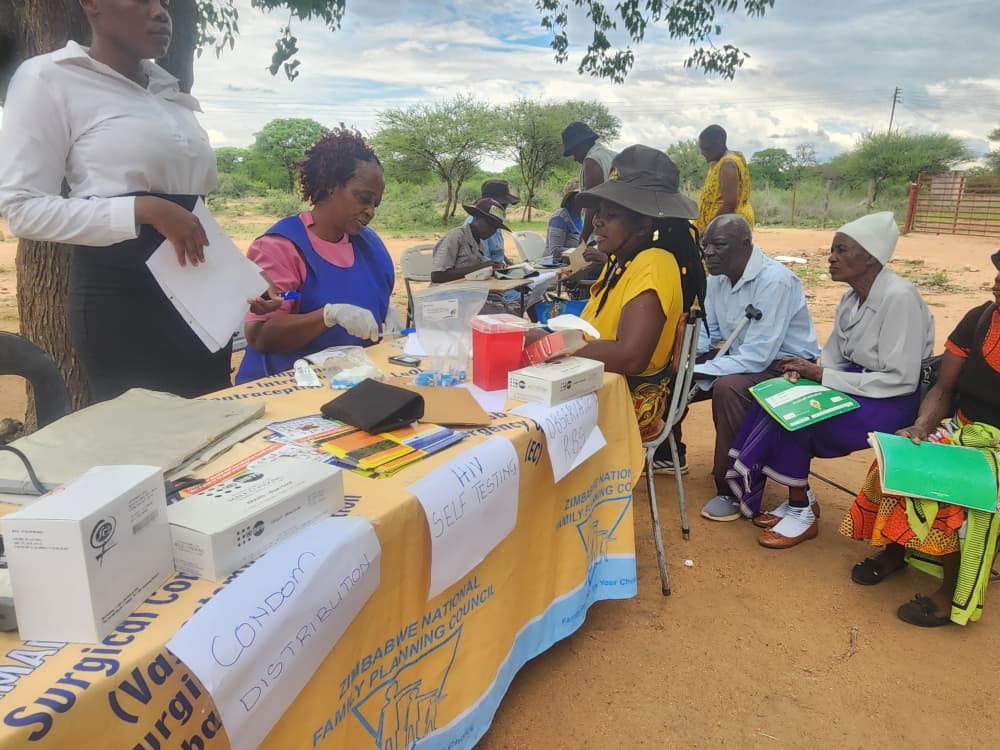
In pursuit of the nation’s vision to end AIDS by 2030, NAC, in collaboration with the Ministry of Health and Child Care, is coordinating integrated health services for vulnerable community members.
“This programme is helping the community fight the HIV and AIDS scourge, we bring all the services to them and conduct awareness campaigns,” Gwanda District Nursing officer, Ms Felitha Sibanda said.
With communities increasingly free from stigma and embracing adherence and openness, Zimbabwe remains on track to end AIDS.
“Now people are open to discussing HIV issues and encourage each other. We believe that with people now able to divulge their statuses, it will be difficult to spread the disease,” a villager said.
“We are getting a lot of help from NAC and we are now aware of what we need to do. We are now responsible people,” another added.
Despite progress, HIV prevalence remains a concern across Matabeleland South, where spousal separation and artisanal mining continue to be cited as major contributing factors.

