



Story by Tichaona Kurewa
ZIMBABWE’s legislative reforms are strengthening business recovery efforts, with the Corporate Rescue Framework introduced under the Insolvency Act of 2018 emerging as a key pillar in supporting distressed companies.
The framework, which replaced the judicial management system, is designed to give struggling firms a second chance through restructuring and recovery rather than liquidation, as part of broader efforts to build a resilient and self-sustaining economy.
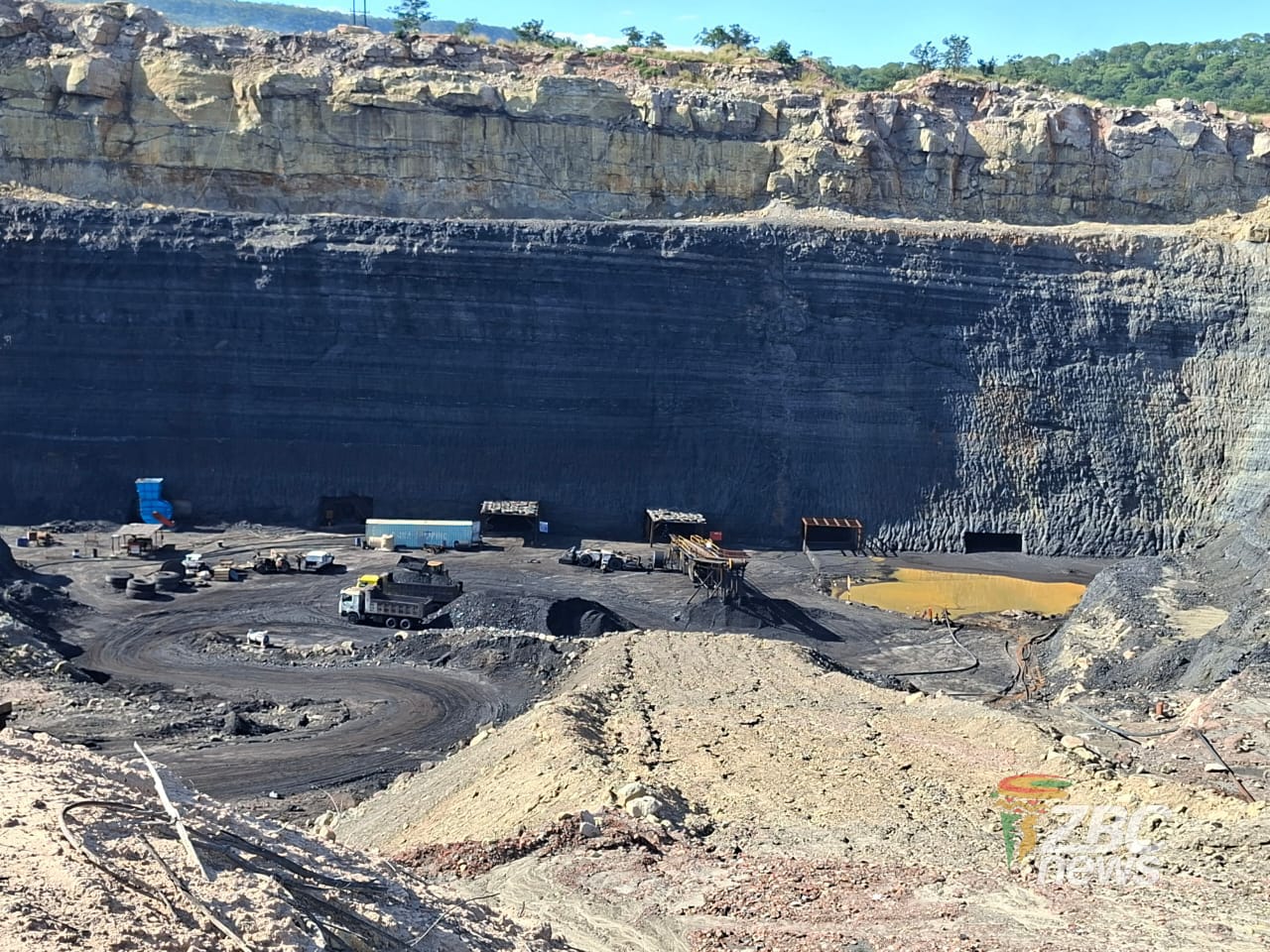
Coal miner, Makomo Resources, is among the indigenous firms benefiting from the programme, having successfully exited corporate rescue in March last year after two years.
The company is now scaling up production in Hwange, aligning output with market demand while positioning for growth.
“Currently, we are producing around 120 000 tonnes per month. This matches market demand. However, in terms of mining capability,we can produce over 200 000 tonnes of coal per month,” Makomo Resources’ General Manager, Mr Kuda Nyabonda said.
He attributed the company’s recovery to government support, highlighting the enabling role of policy frameworks.
“Makomo Resources operates under a special grant issued by the President, Dr Emmerson Mnangagwa, which gives us mining rights. Establishing and running an underground operation requires approvals, inspections, and adherence to safety standards from various ministries. We also comply with environmental regulations. All these processes involve significant government support, which enables us to continue operating and expanding,” he said.
Since June 2018, more than 100 companies have been placed under corporate rescue, with 112 cases completed, underscoring growing uptake of the mechanism.
As Zimbabwe marks its 46th Independence anniversary, the corporate rescue model is increasingly viewed as a critical tool for business turnaround, industrial sustainability, and economic recovery.
This year’s commemorations are being held under the theme: “Zim@46 – Unity and Development Towards Vision 2030”.

