



Story by Tichaona Kurewa
FARMERS at the 110-hectare Lungwalala Irrigation Scheme in Binga District, Matabeleland North province, are expected to earn about US$50 000 this season after diversifying into small-grain seed production, a move introduced in partnership with FarmBiz to boost food security and rural incomes.
Established in 1993, the scheme has more than 200 farmers, over 130 of them women. Over the years, Lungwalala has not only strengthened food security in this drought-prone district but has also become a significant driver of household economic empowerment.
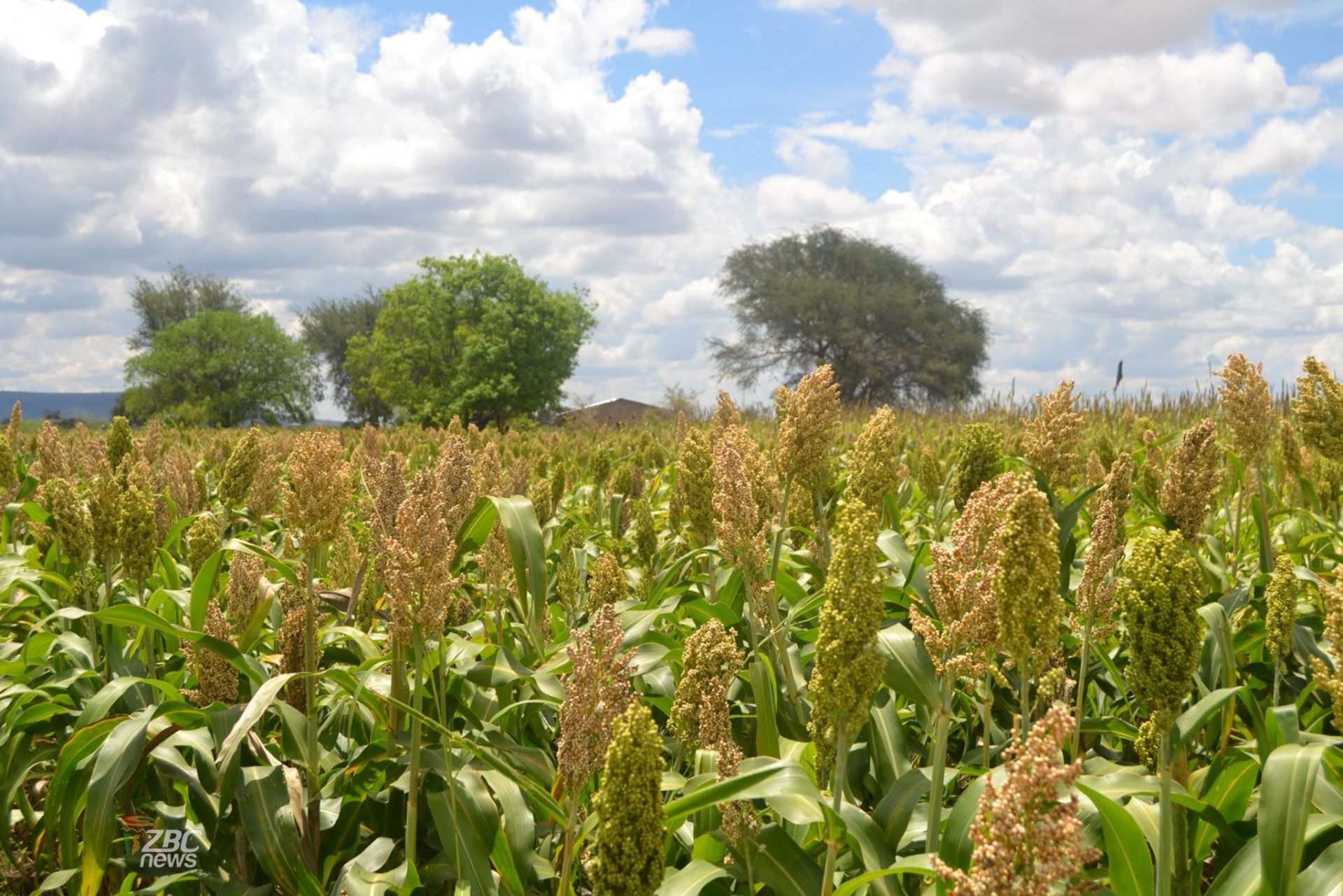
In its latest milestone, the irrigation scheme has diversified into small-grain seed production, allocating over 27 hectares to the venture. Of this hectarage, 17 hectares are under sorghum seed, while 10 hectares are dedicated to millet seed production.
The initiative, being implemented in partnership with FarmBiz, is expected to yield about three tonnes per hectare, translating to roughly US$50 000 to be shared among the farmers.
“We found that Binga has a challenge in terms of seed systems production. Having an area like Lungwalala Irrigation Scheme, if we utilise it during the winter period where there are no water challenges, we have the advantage of isolation, meaning the seed produced there is not contaminated. Secondly, because the area has poor seed supply, producing seed locally encourages farmers to grow it even in summer. It performs well and can help address food shortages. All things being equal, farmers should realise around US$50 000 from this production, working at about US$600 per tonne of seed produced,” FarmBiz Director, Mr Misheck Maravanyika said.
The diversification reflects growing confidence among farmers who have benefited from reliable irrigation, improved access to markets and continued government support.
“When the project started, I joined mainly for the income. I never imagined it would help me build my own homestead. From the money I make selling vegetables, I bought building materials and I am now completing a two-roomed house. This scheme has given young people like me a future here in Binga,” a beneficiary said.
“With the profits from our plot, I can now pay school fees on time and buy uniforms for my children. They no longer miss classes because of money issues. The irrigation scheme is not just feeding us; it is educating our children and giving them a chance to break the cycle of poverty,” another beneficiary stated.
“The proceeds from my harvest allowed me to start other projects. I am diversifying so that even during the off-season, my family still has income. The irrigation scheme has opened doors for many of us to venture into other projects and create more opportunities in the community,” another added .
“Before the irrigation scheme, we depended on rainfall and life was unpredictable. Now, with consistent harvests, I managed to buy two cattle within a year. Owning livestock was once a dream for my family, but the scheme has made it possible. We finally feel secure,” another farmer said.
Going forward, farmers are appealing for improved access to agro-inputs.
“As farmers here in Lungwalala, we are truly grateful to the government for establishing this irrigation scheme. I also call upon agro-dealers to open shops in our area so that farming inputs are readily accessible. This will help us expand production and continue developing our project,” the chairperson of Lungwalala Irrigation Scheme, Mr Johnson Munsaka said.
Beyond seed production, the scheme is also growing maize on over 50 hectares, further strengthening local food supplies and boosting incomes for the Binga community.

