



Story by Stanley James, Business Editor
ZIMBABWE’S inclusive industrial growth agenda is on track, with local firms eyeing to satisfy both local and international markets.
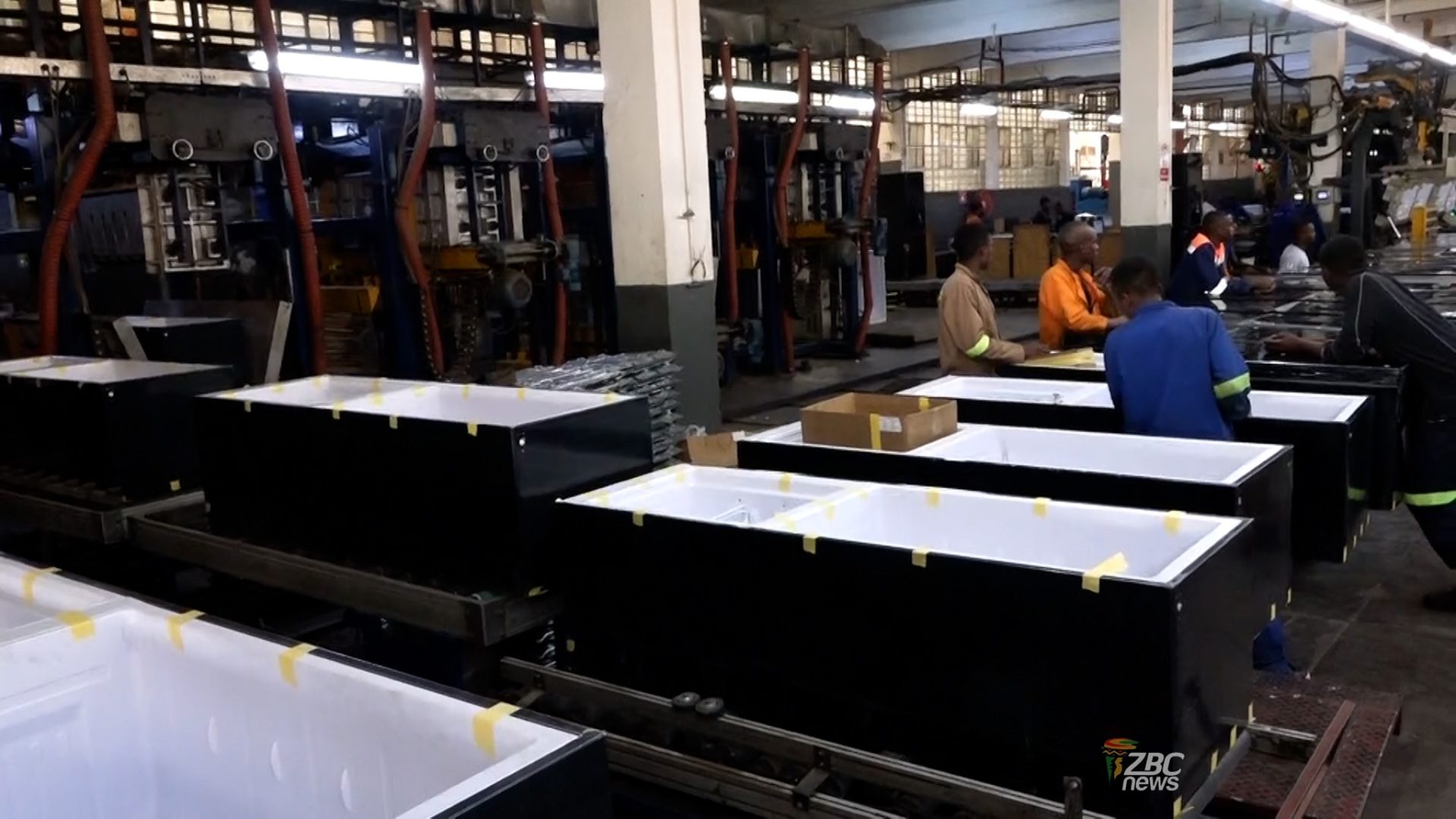
An industry tour by a government delegation led by Permanent Secretary for Presidential Affairs and Devolution, Engineer Tafadzwa Muguti, in Harare this Tuesday, was a platform for the assessment of the manufacturing sector’s capacity utilisation, job creation and the sector’s overall contribution to the national Gross Domestic Product (GDP).
A Managing Director of one of the companies, Mr Garry Watson, said the journey to increased output is on course with a focus on increased exports.
“We are doing our best to make sure that Harare emerges as a hub of investments. The money that we have injected is translating into positive results due to increased output. Now we are even focusing on more exports and by so doing increase job creation,” he said.
The growth of the manufacturing sector in food processing is expected to spur national economic growth.
“The manufacturing sector is on a growth trajectory across the country, and this is ideal as when it comes to provincial output data, all the areas also benefit, so indeed this positive trajectory is a key enabler for overall growth driven by the need to sustain macroeconomic stability,” Chief Economist of Confederation of Zimbabwe Industries, Mr Cornelius Dube
Government has lauded the manufacturing industry’s resilience, amid an increase in locally manufactured goods on the local market to 80 %.
“As you can see, there is significant growth and recovery at this firm with people in Harare being the main beneficiaries, a factor which feeds well into our devolution agenda of leaving no one and no place behind,” Engineer Muguti said.
The Second Republic is forging ahead with implementing inclusive growth policies, with the National Development Strategy 2 (NDS 2) set to consolidate milestones achieved under the first phase of the blueprint and propel the nation towards attaining an upper middle-income society by 2030.

