



Story by Panashe Nagoli
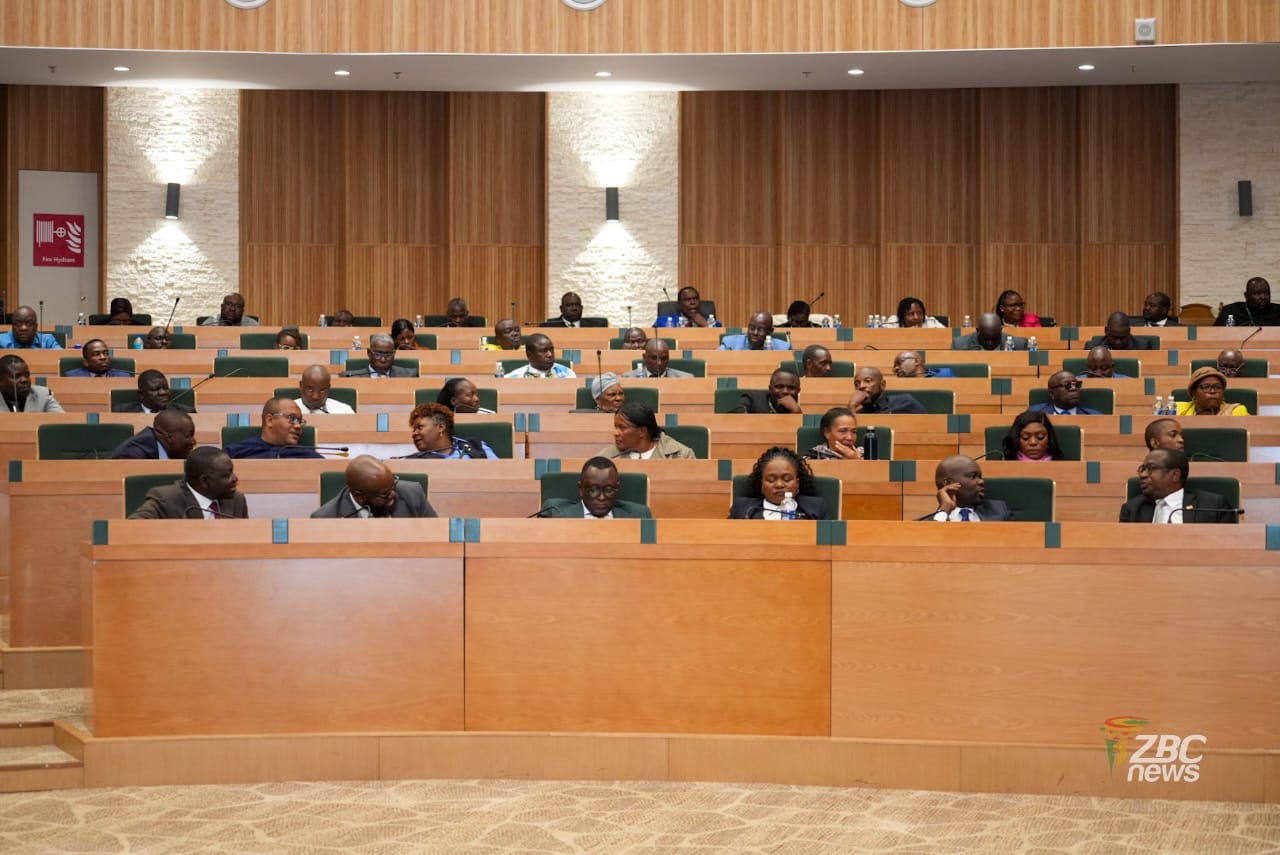
LEGISLATORS have thrown their weight behind proposals in the Constitutional Amendment Number 3 Bill to adopt a parliamentary system for the election of the President, replacing the current system of direct elections.
Debate on the Bill continued this Friday, with its 22 clauses under consideration. Key issues dominating discussion included the proposed shift from direct presidential elections to a parliamentary method, as well as the transfer of voters roll management from the Zimbabwe Electoral Commission (ZEC) to the Registrar-General.
Some legislators argued that a parliamentary system would help reduce electoral violence.
“Direct elections, since time immemorial, have always been marred by violence. If the process is moved to Parliament, we would have solved the problem of electoral violence,” said one legislator.
Another lawmaker said the proposal aligns with representative democracy.
“I support the move to change the way in which we elect the President. The people have elected us to represent them, so it makes sense for us to elect the President,” he said.
“My constituents support clause 3 of CAB3, and I therefore move that the House adopts it in its entirety,” another legislator added.
However, legislators from both sides of the House expressed mixed views on a clause proposing the transfer of functions of the Zimbabwe Gender Commission (ZGC) to the Zimbabwe Human Rights Commission (ZHRC).
Some warned that the move could weaken gender-focused programming.
“My constituents has sent me to defend the ZGC. We need that institution to remain as it is, because if it is moved to the ZHRC there is a risk of dilution,” said one legislator.
“As a woman standing here today, it is because of the ZGC. The work it is doing in women’s empowerment should not be disturbed,” another legislator said.
Others noted that while gender issues fall under human rights, international best practice supports standalone gender institutions.
“The need for a gender commission is consistent with international standards. Yes, gender issues are human rights issues, but internationally, gender institutions stand alone,” another lawmaker said.
Debate on the Bill is expected to continue next Tuesday after the Minister of Justice, Legal and Parliamentary Affairs, Ziyambi Ziyambi, moved for the adjournment of the House.

