



Story by Tamuka Charakupa
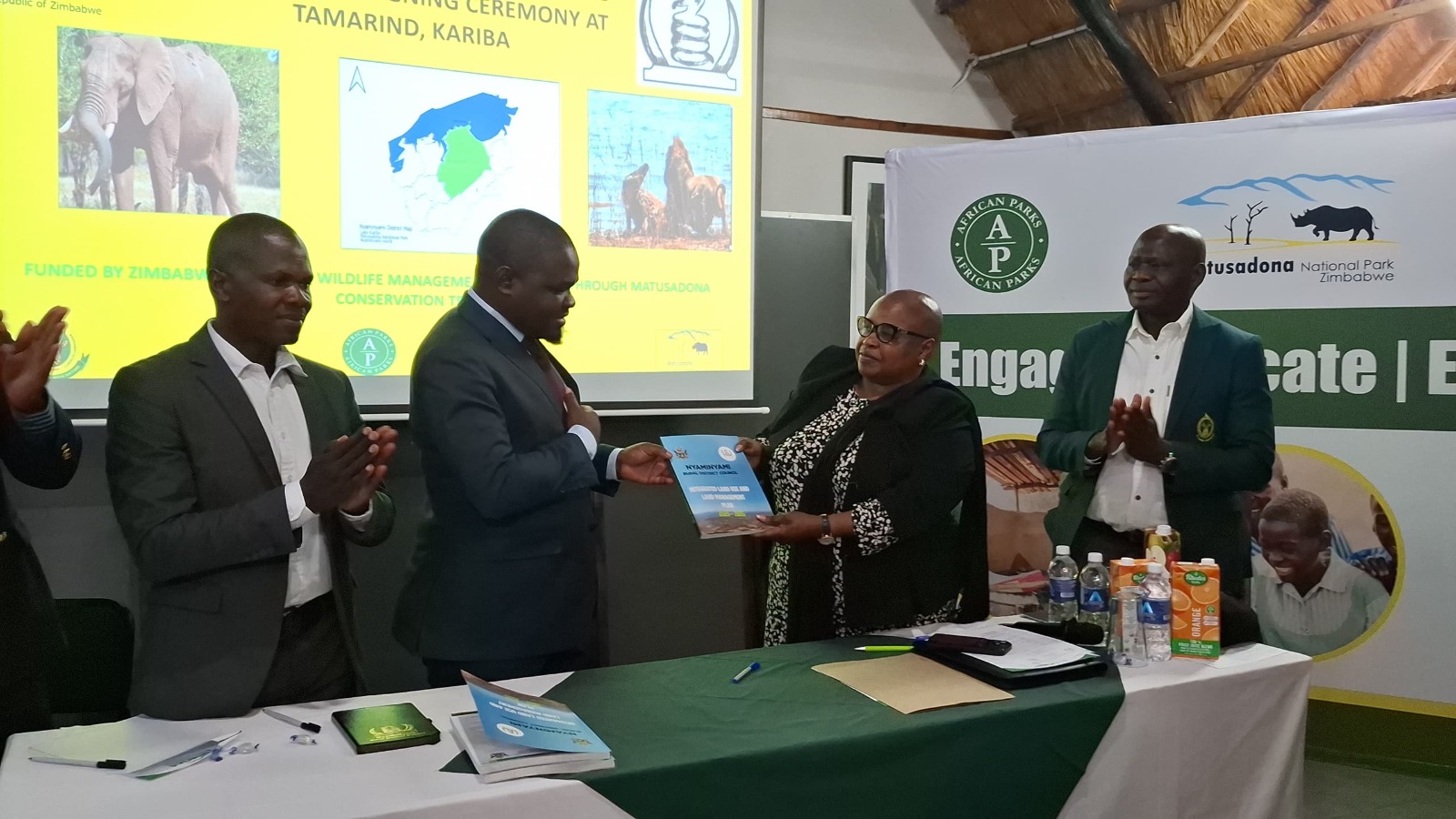
THE Nyaminyami Rural District Council in Mashonaland West Province officially launched its long-awaited Land Use Plan, setting the tone for coordinated infrastructure development, environmental conservation, and economic empowerment across the district.
“As traditional leaders, we have always been the custodians of our land and environment. The adoption of this Land Use Plan strengthens our mandate to protect natural resources, prevent land degradation, and ensure that development in our communities is done in a sustainable and culturally respectful way. This plan empowers us to guide our people on proper land use while safeguarding the heritage of future generations,” Chief Msampakaruma said.
“The overall goal is to guide the development and management of land resources within Nyaminyami District. Key objectives include reducing human-wildlife conflict, to ensure sustainable management of land and natural resources in protected, conservation and communal areas, to improve crop production and productivity, to manage climate change-induced and poverty-driven over-exploitation of natural resources, and finally to promote orderly development, protect the environment, promote community cohesion and regulate development patterns,” environmental expert, Dr Samuel Kusangaya noted.
The plan, developed with support from urban planning experts, academia, and community consultations, is also expected to enhance investment confidence and improve service delivery.
“This Land Use Plan is a cornerstone in actualising these goals at the local level. Kariba District, endowed with rich biodiversity, abundant freshwater resources from Lake Kariba, and a vibrant cultural heritage, possesses unique comparative advantages in wildlife conservation, eco-tourism, and sustainable agriculture. The plan we sign is not only a technical document, it is a social contract that balances development with conservation, economic growth with environmental integrity,” Mashonaland West Minister of State for Provincial Affairs and Devolution, Honourable Marian Chombo said.
“It balances development needs with those of wildlife conservation as enshrined in the National Determined Strategy 1, through zoning regulations to protect critical habitats while simultaneously allowing for sustainable agricultural practices and infrastructure development. This careful balancing act is essential for ensuring that both people and wildlife can thrive. It reduces human wildlife conflicts by separating conflicting land uses far apart from each other,” the Deputy Minister of Local Government and Public Works Engineer, Benjamin Kabikira added.
Nyaminyami district has, over the years, recorded some of the highest cases of human-wildlife conflict in the country, with at least 17 people losing their lives to wild animal attacks in the past two years alone.
The newly adopted Land Use Plan incorporates designated buffer zones, clearly mapped settlement areas, and improved land management strategies, all aimed at reducing human encroachment into wildlife corridors.

