



Bruce Chahwanda, Political Editor
ZIMBABWE is reconfiguring its diplomatic missions abroad into economic and commercial promotion hubs to drive trade expansion, investment mobilisation and technology transfer, Foreign Affairs and International Trade Minister Amon Murwira said on Friday.
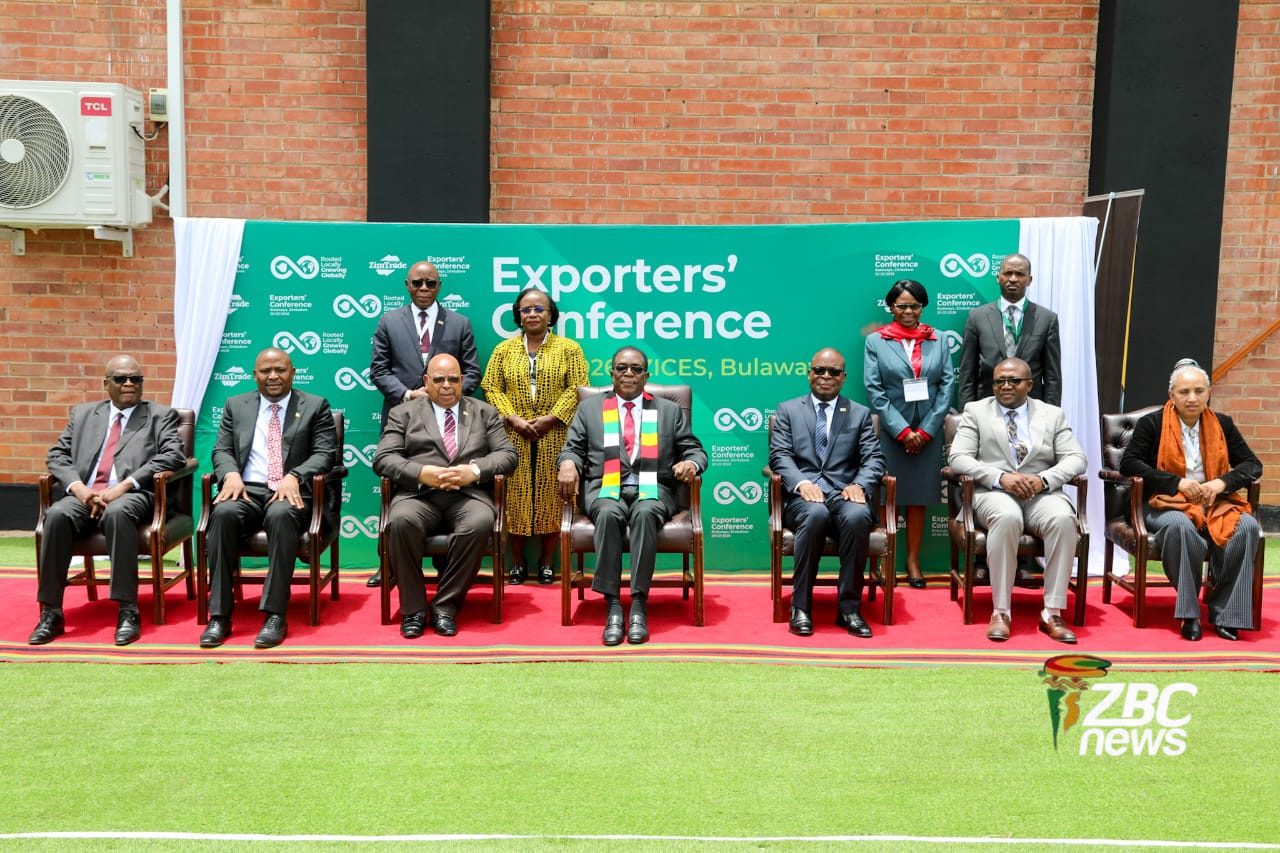
Addressing delegates at the 2025 ZimTrade Annual Exporters’ Conference in Bulawayo, Professor Murwira said: “Through economic diplomacy, we are reconfiguring our diplomatic missions abroad into economic and commercial promotion hubs tasked with facilitating trade expansion, investment mobilisation, and technology transfer.”
He said the missions would define the nexus between diplomacy and development by answering four key questions, including what Zimbabwe can competitively offer the world, what partnerships can enhance production and trade systems, and how international cooperation can result in “tangible economic transformation at home”.
Professor Murwira said trade is central to national prosperity. “Trade serves as the lifeblood of modern prosperity,” he said, adding that trade promotion was “the most tangible expression of foreign policy”.
He said Zimbabwe’s foreign policy, anchored in Section 12 of the Constitution, was designed to protect national interests, including human security, economic interests, and social cohesion, while driving commercial growth and industrial development.
“This is domestic policy projected outward,” he said, guided by the principles that Zimbabwe is “open for business, “a friend to all and an enemy to none, and that “no one and no place is left behind”.
Diplomats, he said, must act as “negotiators rather than beggars” to secure partnerships, technologies, and investments necessary to eliminate poverty and achieve prosperity through trade based on equality.
The Minister said Zimbabwe’s trade strategy was grounded in the principle that “production must precede export and that export market drives production”, positioning economic diplomacy as a strategic engine for growth and global market access.
He added that Zimbabwe is transitioning from a resource-based economy to a knowledge-based, innovation-driven economy. “Knowledge is the new currency of sovereignty,” he said.
Through Heritage-Based Education 5.0, universities were being transformed into production hubs, with diplomacy leveraged to secure technology partnerships that convert local research into exportable products. This shift, he said, represented a “Chimurenga Chepfungwa/ Umvukela Wemngqondo/ Liberation of the Mind”, anchoring competitiveness in Zimbabwe’s heritage and intellectual capital.
Professor Murwira said the country was undergoing a structural shift towards value addition, beneficiation, and diversification of export products and destinations to ensure natural resources yield higher returns and meet citizens’ basic needs.
He highlighted Zimbabwe’s successful bid to host the headquarters of the Intra-African Trade Fair (IATF) Company as a milestone reflecting confidence in the country’s stability and positioning within the African Continental Free Trade Area.
He also cited recognition at the 35th Ordinary Session of the African Peer Review Mechanism Forum, where Zimbabwe’s economic governance reforms, including performance contracting and Heritage-Based Education 5.0, were commended.
“At the centre of translating strategic gains into practical outcomes is ZimTrade,” he said, noting the organisation’s role in equipping exporters with market intelligence, facilitating international exhibitions, and strengthening buyer linkages.
In line with President Emmerson Mnangagwa’s vision of inclusive development, he said export growth must extend to rural communities, youth entrepreneurs, women-led enterprises, and emerging industries.

