



Story by Owen Mandovha
THE year 2025 was largely characterised by a relatively stable macro-economic environment, marked by reduced price volatility following the stabilisation of the ZiG currency.
The prevailing economic stability is expected to be consolidated in 2026, with the implementation of the National Development Strategy 2 (NDS2), which has come into effect.
Annual inflation stood at 186 percent in January 2025, following a rapid depreciation of the ZiG currency in September 2024, which triggered a sharp increase in prices.
However, inflation steadily declined over the course of the year, falling to 15 percent by November, as the ZiG recorded its longest period of relative stability amid a stable macro-economic environment.
Businesses and consumers alike acknowledged improvements in the operating environment during 2025, expressing optimism that the gains will be consolidated in the year ahead.
Some business operators welcomed the stability of prices and the local currency.
“As business people, we enjoyed a good year. Exchange rates were stable and we managed to make reasonable profits,” said one trader.
Another consumer noted increased acceptance of the local currency.
“The ZiG was stable and readily available, and many shops accepted it because of that stability,” he said.
Economic analysts have described 2025 as a significant year in restoring macro-economic stability.
Economist Mr Persistence Gwanyanya said the reduction in inflation was a major milestone.
“The year recorded several positive developments. Inflation fell sharply from above 100 percent to below 20 percent, largely due to a tight monetary policy stance by the Reserve Bank of Zimbabwe. The ZiG remained mostly stable, providing much-needed relief to both consumers and businesses,” he said.
Marondera East Legislator, Dr Vimbayi Mutokonyi, also acknowledged the improved economic environment.
“It was one of the most improved economic periods in recent years, especially considering that the local currency had previously been associated with instability. There was a notable change last year,” she said.
Looking ahead, there is growing confidence that economic growth will be sustained under the National Development Strategy Two.
However, stakeholders have called on the central bank to increase the circulation of ZiG notes across the country to enhance ease of transactions.
Some members of the public raised concerns over limited access to physical currency.
“We are appealing to authorities to increase the circulation of ZiG notes, especially in areas like Murehwa where availability remains low,” said one resident.
Another added that shortages of small denominations remain a challenge.
“Access to change is still a problem. We hope the situation improves this year,” she said.
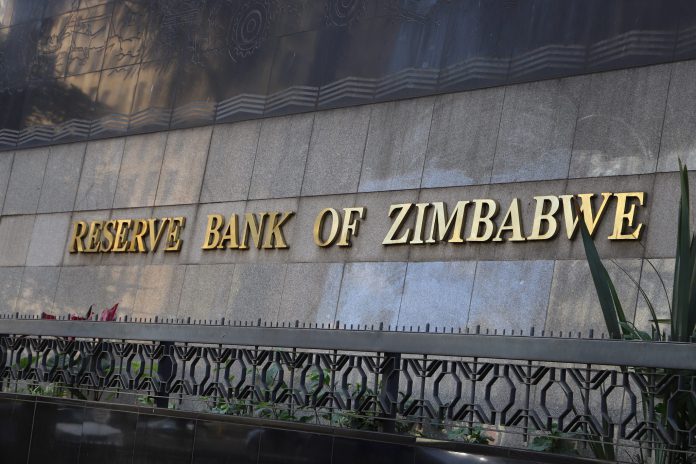
Meanwhile, the Reserve Bank of Zimbabwe has announced plans to introduce a new series of ZiG notes to replace the existing ones, a move aimed at sustaining currency circulation and strengthening confidence in the local currency.

