



Story by Tichaona Kurewa
THE commissioning of the second Deka Pipeline, which supplies water from the Zambezi River to Hwange Power Station, has begun to deliver tangible gains in electricity generation, easing load shedding and reducing the country’s reliance on power imports.
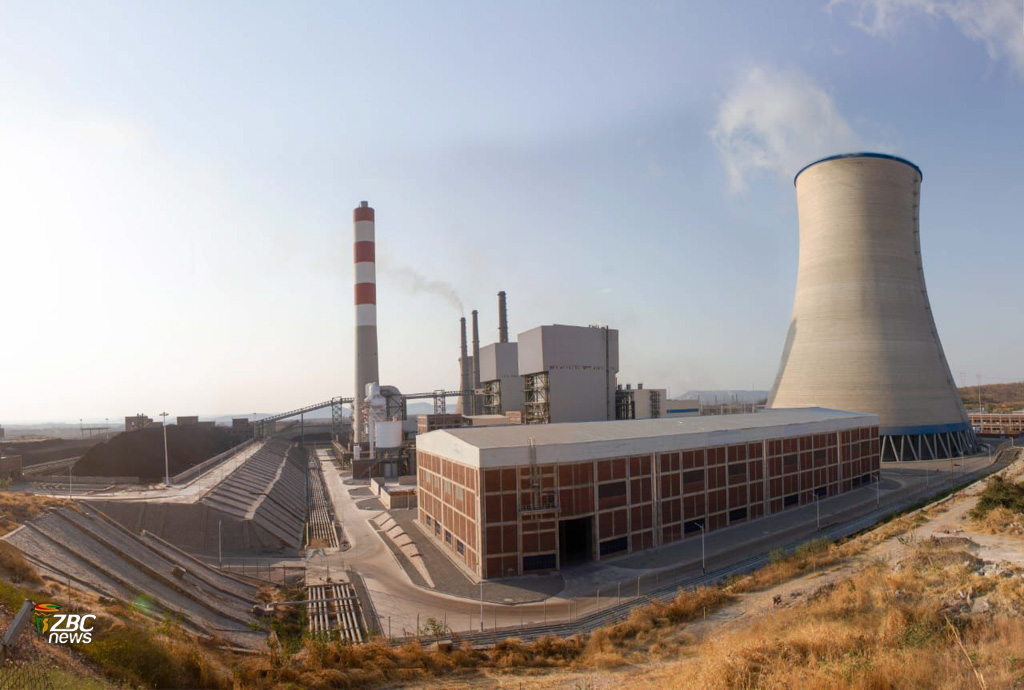
The 42-kilometre pipeline has addressed persistent water shortages that had long constrained output at Zimbabwe’s largest thermal power station. With a more reliable water supply now in place, electricity generation at Hwange has improved markedly, contributing to greater stability on the national grid.
ZESA General Manager for Stakeholder Relations, Dr George Manyaya, said the commissioning of the pipeline by President Emmerson Mnangagwa marked a turning point for the country’s energy sector.
“The commissioning of the Deka pipeline by His Excellency, the President of the Republic of Zimbabwe, Dr Emmerson Mnangagwa, marked a historic milestone in securing our nation’s energy future and delivering real relief to electricity generation constraints. The Deka pipeline is now providing sufficient and reliable water supply to the Hwange Power Station, fundamentally transforming power generation capacity. Before its commissioning, generation at Hwange stages one and two averaged about 400 megawatts due to water limitations,” Dr Manyaya said.
He explained that before the pipeline became operational, generation at Hwange stages one and two averaged about 400 megawatts due to limited water availability.
“Today, this strategic investment has unlocked an additional 600 megawatts through Hwange Units seven and eight, significantly strengthening national supply.”
The improved generation capacity is already being felt at community level, particularly in Hwange town, where residents report a sharp reduction in power cuts.
“These days, we are hardly experiencing power cuts. Electricity is now more reliable compared to before,” one resident said.
Another noted that load shedding had virtually disappeared: “Load shedding is no longer affecting us this side, we are now having power 24/7. We now have power most of the day, which helps businesses improve our income.”
Others echoed similar sentiments, saying they now go for days without outages and that the improved power supply has eased daily life for households and small traders.
The more than US$40 million aqueduct, constructed with support from the Government of India, was commissioned in 2024. The project reflects Government’s commitment to strengthening electricity generation, stabilising supply and supporting economic growth in line with the National Development Strategy 2 (NDS2).
According to the Zimbabwe Power Company’s power generation schedule for 20 January, Hwange Power Station was producing over 700 megawatts, while total national output stood at more than 1 000 megawatts, including power generated by independent producers.

