



Story by Tichaona Kurewa
SUSTAINED rainfall received across Zimbabwe this season is offering renewed hope for wildlife conservation, following the severe losses recorded during the El Niño-induced drought that ravaged national parks last year.
In late 2023 and early 2024, more than 100 elephants perished at Hwange National Park after prolonged dry conditions caused critical water sources to dry up, leading to starvation and heightened ecological stress.
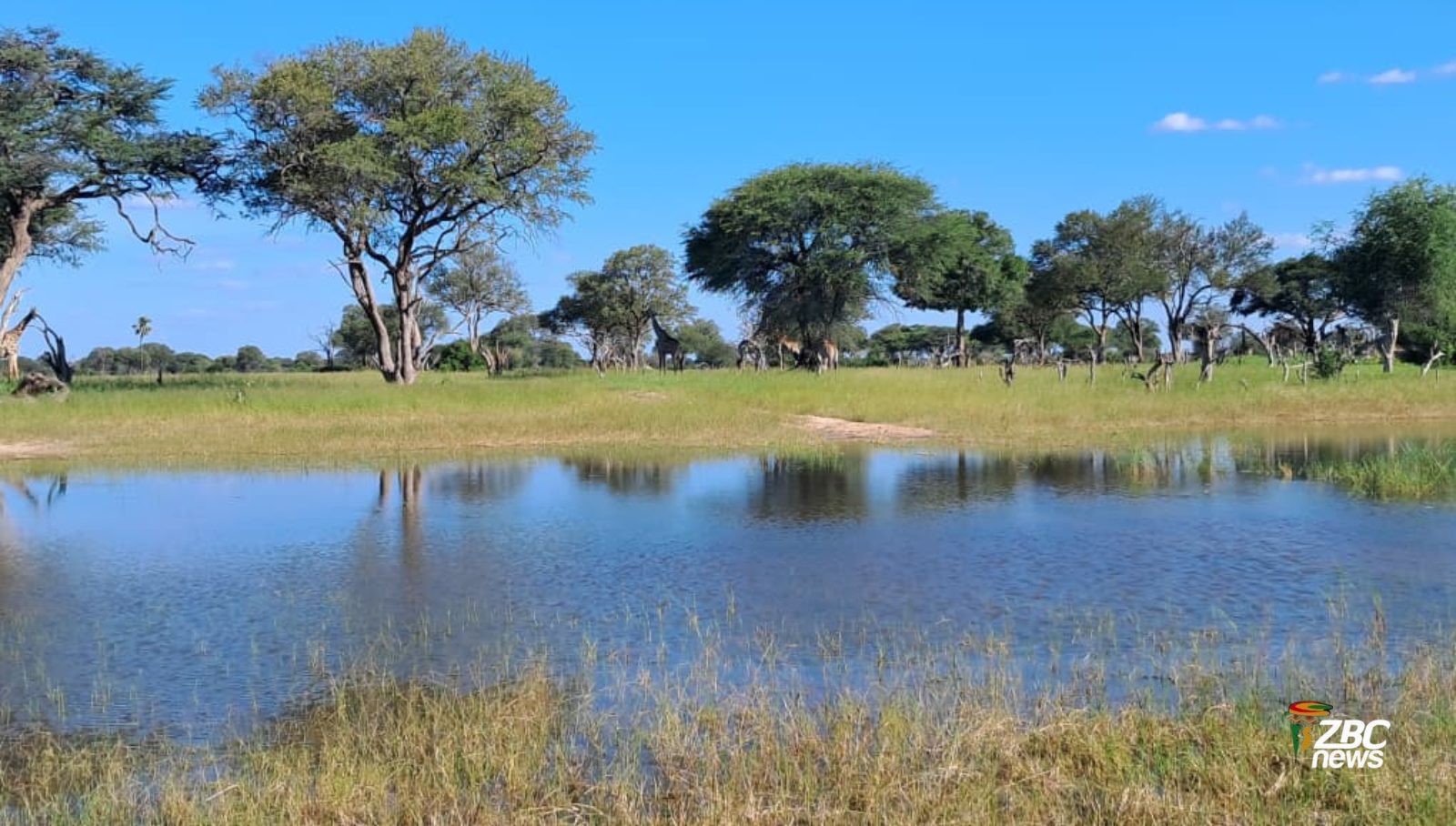
This season’s improved rainfall pattern has, however, brought a measure of relief to the conservation sector, with stakeholders reporting positive early signs across several protected areas. The consistent rains have replenished water points and improved grazing conditions, strengthening prospects for wildlife survival and ecosystem recovery.
A recent assessment drive by ZBC News through Hwange National Park confirmed that most artificial and natural water sources are now full, easing pressure on wildlife populations and reducing the risk of further losses.
Conservationists say the benefits extend beyond wildlife alone, noting that improved rainfall also supports surrounding communities, which play a critical role in conservation outcomes.
“When communities have enough food from their farms, the temptation to poach is greatly reduced. Good rains mean better harvests, and that directly supports conservation. The rains will also ensure adequate pasture for wildlife, reducing their migration into communities where their lives are also threatened,” a conservationist, Mr David Kuvawoga said.
“It is actually very good for the ecosystem, especially for elephants and hippos found in the park. One of the key benefits is increased nutritional abundance. Good rains mean we have enough forage for animals to feed on throughout the year, which results in better body condition and higher chances of survival. This also reduces incidents of human-wildlife conflict, as animals are more likely to remain within the park. Additionally, with sufficient forage and water, we expect improved breeding success, which is good for wildlife populations and the ecosystem at large,” another conservationist, Henry Ndaimani added.
If the good rains continue, conservationists are convinced Zimbabwe’s national parks could record improved wildlife survival rates and stronger conservation outcomes this year.

