



Story by Elroi Ngara
HARARE – THE Government of Zimbabwe has reaffirmed its commitment to universal access to sexual and reproductive health services, aligning its national health priorities with the International Conference on Population and Development (ICPD) Programme of Action.
In a significant step forward, Zimbabwe has partnered with the Swedish Embassy to expand the reach and quality of family planning and reproductive health services, especially for women and adolescent girls.
The initiative forms part of the country’s Family Planning 2030 (FP2030) pledge, which aims to increase the modern contraceptive prevalence rate from 48% to 54%.
Local beneficiaries have praised the ongoing efforts, citing improved access to contraceptives as transformative in shaping their futures.
“I’m happy we can now plan when to give birth. It helps reduce the risk of unplanned pregnancies,” one woman at a local clinic said.
“Access to family planning has empowered me to make informed decisions about my body, space my pregnancies, and focus on my goals,” shared another.
“This initiative has truly changed my life. I feel confident, can manage my career, and provide better for my family,” added a third.
The partnership is underpinned by a US$5 million contribution from the Swedish government, aimed at improving reproductive health access with a focus on youth and marginalised groups.
“As the Swedish Embassy, we prioritise reproductive health and rights. Our support targets young girls and women across Zimbabwe to ensure they can access essential services,” Ambassador Per Lindgärde said.
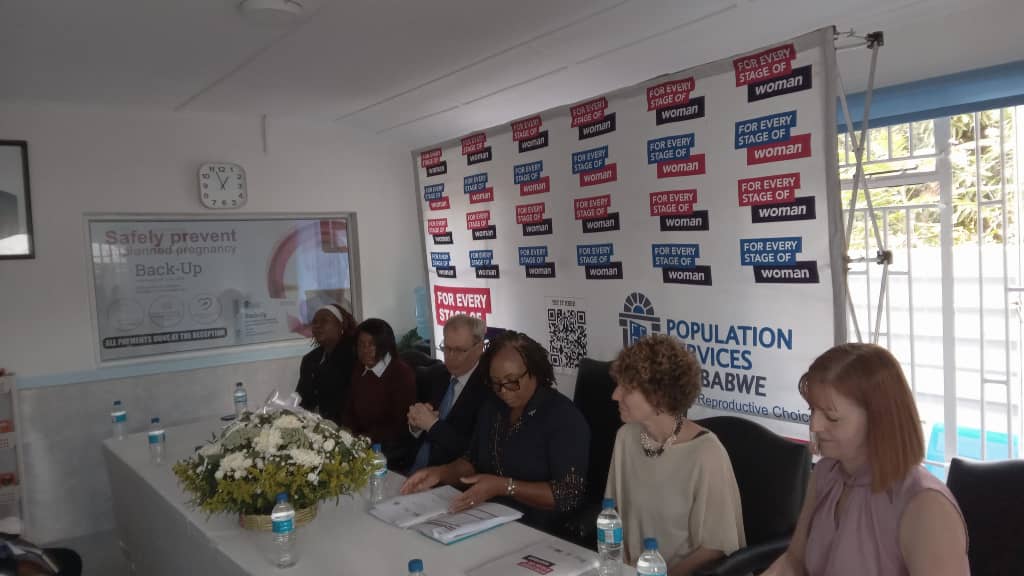
One of the tangible outcomes of the partnership is the reopening of the Mbare Clinic in Harare, which is now providing vital services to the community.
“The Government remains fully committed to universal access to healthcare, regardless of location or income. Through collaboration with partners such as Sweden and Population Services Zimbabwe, facilities like Mbare Clinic are now functional and accessible, especially for women and girls,” Deputy Minister of Health and Child Care, Honourable Sleiman Kwidini said.
The renewed focus on family planning, maternal health, and women’s empowerment is not only a public health imperative but also a strategic investment in the country’s socio-economic development.
As Zimbabwe continues to build inclusive, resilient health systems, the ongoing efforts under FP2030 and ICPD reflect a long-term vision for equitable access and healthier futures for all citizens.

