



Story by Abigirl Tembo
GOVERNMENT has reaffirmed its commitment to advancing national development through coordinated interventions in agriculture, industrialisation, education and infrastructure development.
The commitment was highlighted during the fifth Cabinet meeting of 2026 chaired by His Excellency President Dr Emmerson Mnangagwa, where several policy initiatives aligned to the National Development Strategy Two were considered and approved.
Officials said the measures are aimed at accelerating economic growth, strengthening productivity and improving the quality of life for Zimbabweans.
In the agricultural sector, Cabinet approved the 2026 Winter Production Plan, a key initiative intended to support increased crop production during the winter farming season.
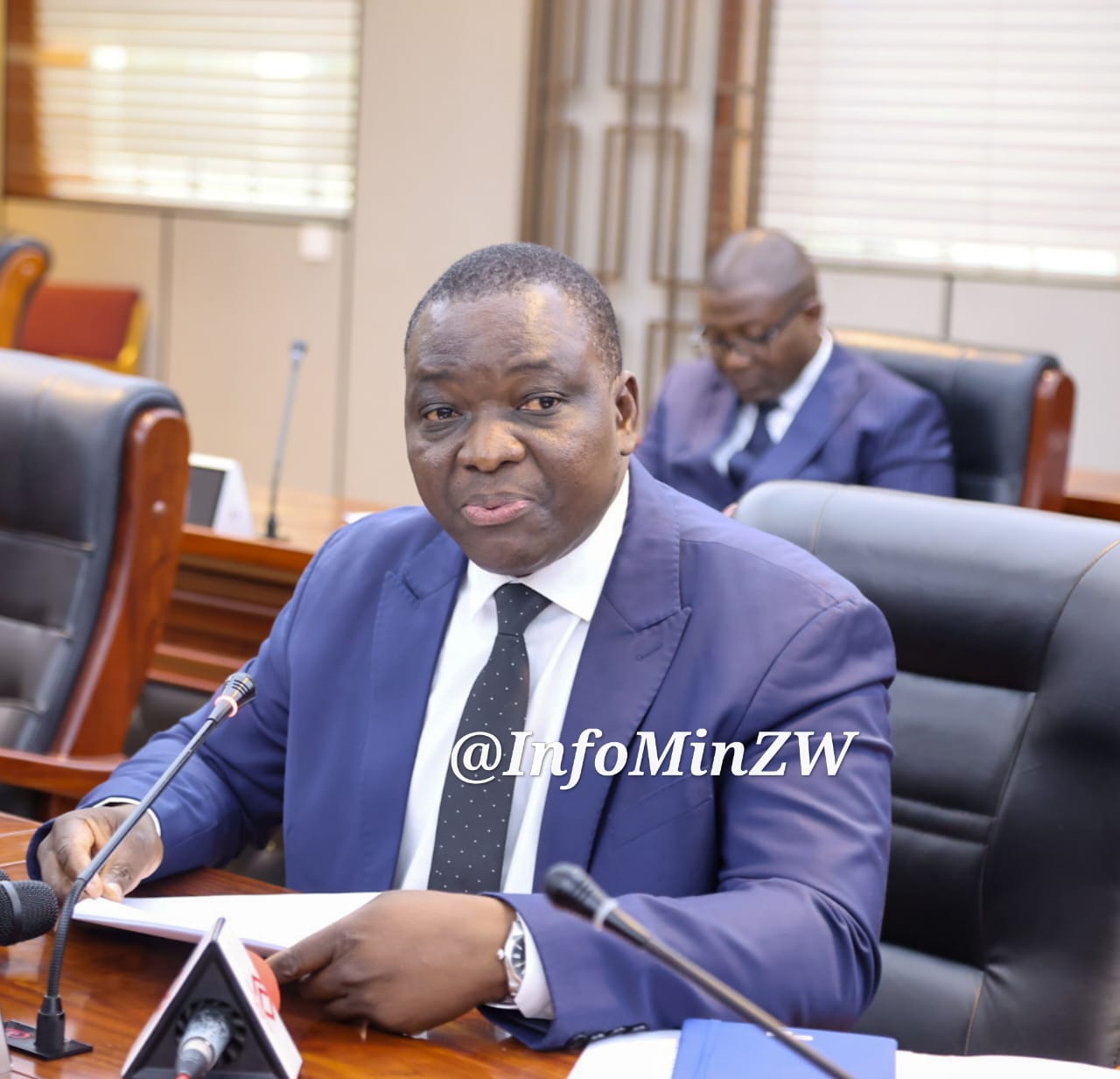
Minister of Information, Publicity and Broadcasting Services Dr Zhemu Soda announced the approval following the Cabinet meeting.
Meanwhile, the Minister of Lands, Agriculture, Fisheries, Water and Rural Development Dr Anxious Masuka outlined measures aimed at promoting rural industrialisation and value addition along agricultural value chains, a strategy designed to increase the economic value derived from agricultural production.
Cabinet also approved the Zimbabwe National Industrial Development Policy 2 (2026–2030), a framework intended to guide sustainable and diversified industrial growth over the next five years.
The policy seeks to strengthen manufacturing capacity, promote local value addition and support broader economic transformation.
In addition, Government has developed the Consumer Protection Policy, which is designed to safeguard consumer rights and strengthen regulatory mechanisms within the marketplace.
Infrastructure development remains a central pillar of the National Development Strategy 2, with more than 600 projects reportedly approved across sectors including transportation, water, sanitation, housing, science and technology, as well as inclusive economic growth initiatives.
Cabinet also approved a Memorandum of Understanding with Equatorial Guinea aimed at strengthening cooperation in higher and tertiary education.
The agreement is expected to enhance academic collaboration, skills development and knowledge exchange between institutions in the two countries.
Officials say the combination of agricultural support programmes, industrial policy reforms, educational partnerships and infrastructure development initiatives is intended to position Zimbabwe for sustained economic transformation in the coming years.

