



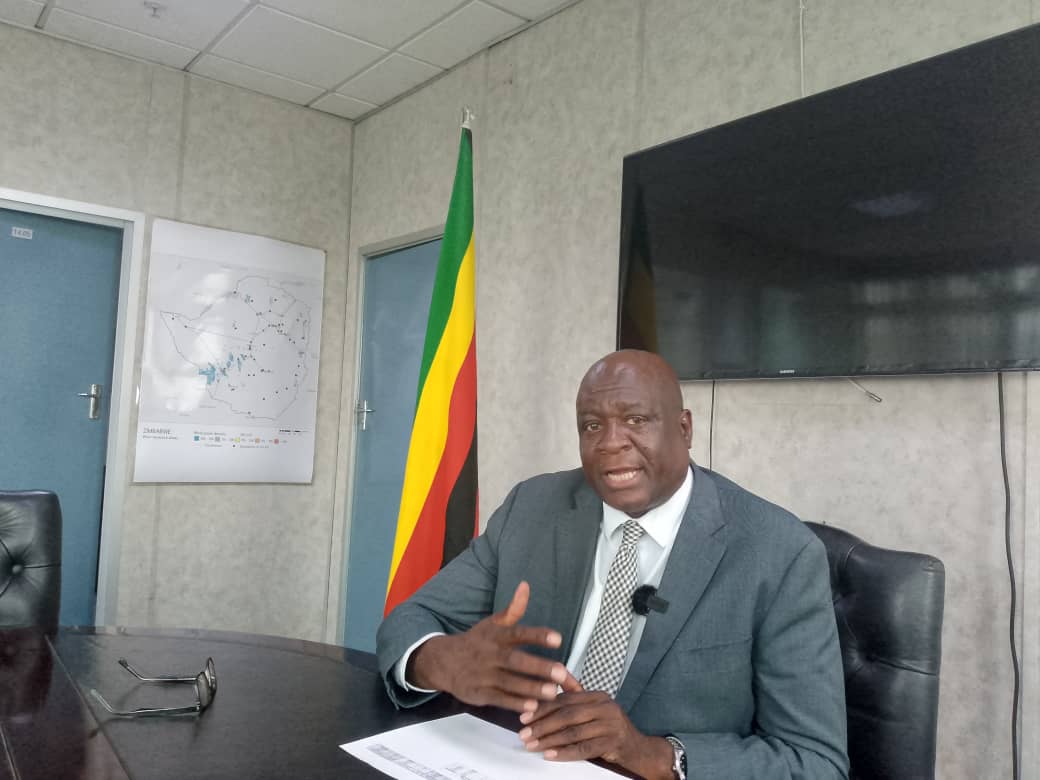
Story by Owen Mandovha
OVER 200 megawatts worth of renewable energy projects are under construction by independent power producers owing to the incentive regime introduced by government.
Currently, 120 megawatts of electricity is currently being generated from renewable energy sources from a total of 56 operational projects countrywide.
Zimbabwe has set a target of 2 600 megawatts from renewable energy projects by 2030.
Zimbabwe Energy Regulatory Authority (ZERA) Chief Executive Officer, Mr Eddington Mazambani says existing projects are being scaled up, owing to numerous incentives to accelerate investments.
“We have put in place incentives to drive investment, such as currency convertibility and an economic tariff hence, we have seen several projects getting to financial disclosure and at the moment, we are talking about 26 projects which are currently under construction, while our target is to produce over 2 600 megawatts by 2030,” he said.
ZERA is also encouraged by the success of the net metering initiative, which has added over 50 megawatts of electricity to the grid.
“Net metering is proving to be a masterstroke, whereby owners of solar projects feed excess energy into the national grid and currently, about 56 megawatts is generated from net metering,” Mr Muzambani stated.
Meanwhile, a local biogas producer Mr Victor Tarira, implored the government to also incentivise biogas production to widen the country’s renewable energy mix.
“Government has made strides to promote investment in solar energy generation by scrapping duty on solar energy products, but this must also be extended to biogas digesters, which have proven to be transformative in powering big institutions, especially in rural areas,” he said.
The National Renewable Energy Policy introduced by the government a few years ago is aimed at promoting the generation and distribution of renewable energy in line with the government’s industrialisation plans to spearhead an upper middle-income society by 2030.

