



Story by Tamuka Charakupa
GOVERNMENT will continue to implement people-centred and market-driven policies, with public-private partnerships identified as key towards the attainment of Vision 2030.
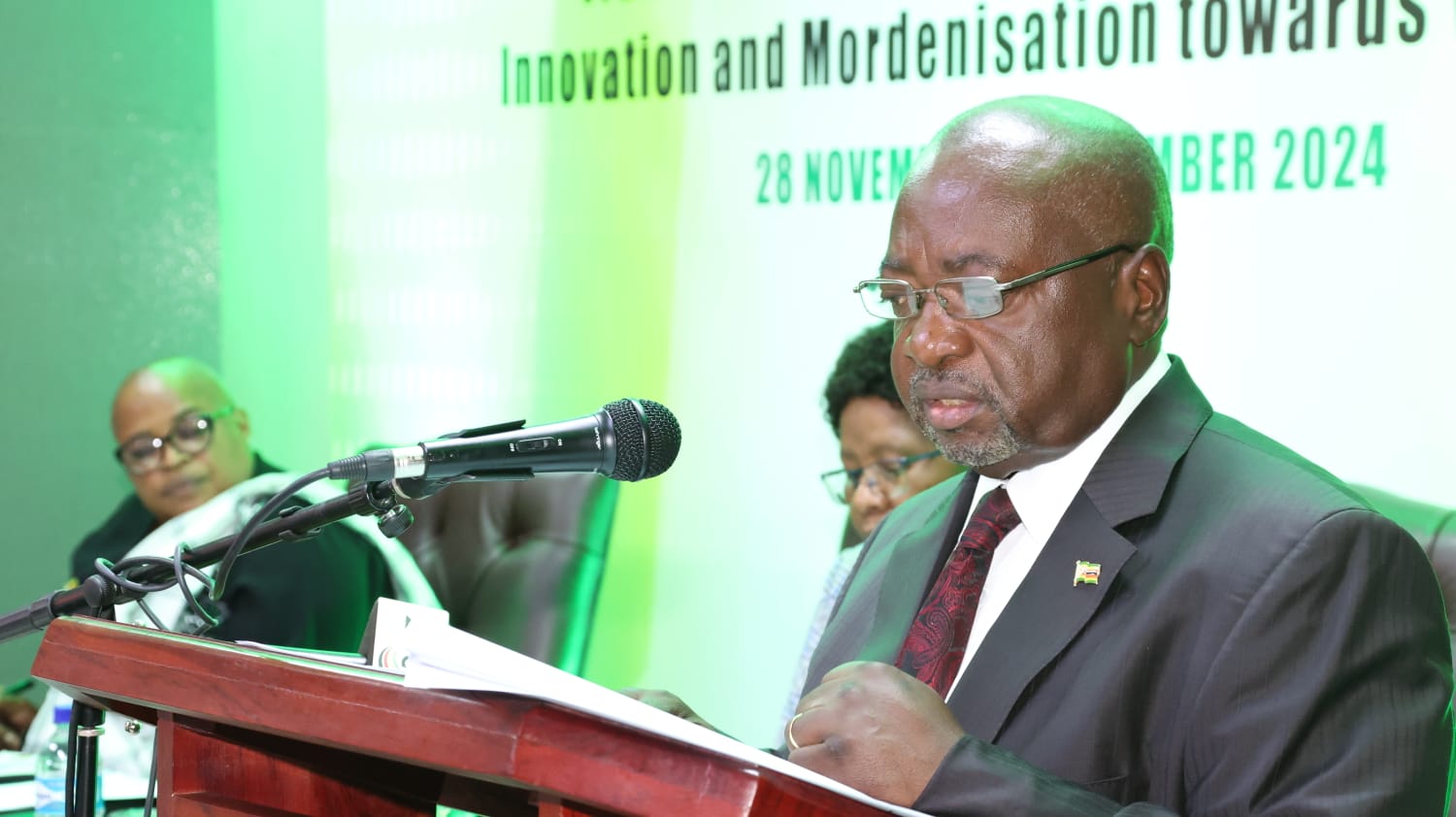
Presiding over a high-level strategic planning workshop in Kadoma, Chief Secretary to the President and Cabinet Dr Martin Rushwaya said the country has huge untapped potential for economic growth.
Dr Rushwaya cited collaboration as key to improving the country’s governance culture, underpinned by the devolution policy.
“The Devolution and Decentralisation agenda is the cogwheel of our current and future development thrust to ensure that there is equitable and sustainable development at the sub-national level based on each province’s comparative and diversified endowments. As you are aware, remarkable progress has been achieved in terms of community development using the devolution funds that are distributed through Local Authorities.
“The government has continued to give priority to the Devolution and Decentralisation drive by strengthening the institutional arrangement of the Offices of the Ministers of State for Provincial Affairs and Devolution including the establishment of the Department of Provincial Affairs and Devolution in Office of the President and Cabinet. A roadmap to be presented to us later covers all the outstanding matters relating to the Devolution and Decentralisation agenda,” he said.
Government ministries, departments and agencies were also implored to prioritise the digitisation of their products and services towards the attainment of a digital economy by 2030.
“Our policies and strategies will not yield the optimum and desired deliverables across Government if not heavily backstopped and piggybacked by a robust and integrated e-government ecosystem. To this end, it is imperative that the Government embraces Information and Communication Technologies (ICTs) as indispensable tools for enhancing administrative functions and improving governance. Digital platforms offer a convenient way to create a more agile, efficient, and responsive government to issues of inclusivity and accessibility of government by all citizens. To achieve this, a strategic and coordinated approach to planning, implementing, and managing the e-government ecosystem is of paramount importance.
“To further accelerate digital transformation, the Office will vigorously implement the prioritized foundational projects for Enterprise Architecture which include the National Digital ID; Data Exchange Platform; and Service Design Framework. These will serve as a solid foundation for realising the vision of a truly digital government. In this regard, a comprehensive E-Government Master Plan or roadmap which sets the right vision that is essential to guide these efforts will be developed,” added Dr Rushwaya.
Mashonaland West Minister of State for Provincial Affairs and Devolution Honourable Marian Chombo and Deputy Chairperson of the Public Service Commission Dr Noma Ndiweni concur focus should be on achieving targets set under the National Development Strategy One.
Honourable Chombo said, “The incoming year 2025 marks a significant milestone in the country as well as the Government’s programming as we come to the end of implementation of the National Development Strategy 1: 2021 – 2025. The period presents us with both opportunities to look back and assess our achievements, or lack thereof, and challenges to strive to achieve our targets set out in the NDS 1.
“Our collective efforts during this workshop will play a crucial role in shaping the future of our country and setting the stage for success. This workshop serves as a platform for creativity, innovation, and collaboration that will help us navigate the complexities of today’s turbulent environment as alluded to earlier on. It is our hope that this workshop will highlight the salient issues that are impediments to the smooth implementation of the devolution process.”
“One of the cornerstones of NDS1 is the commitment to devolution and decentralisation, aimed at empowering local authorities to drive development in their respective regions. As human capital is pivotal to realising this objective, the Public Service Commission has been actively engaged in aligning strategies to support subnational structures.
“We have recorded several successes in this regard which include capacity building for local authorities through training programs tailored for provincial and district level officials have been rolled out, focused on governance, resource management and service delivery, local governance units have been supported with technical expertise to enhance their operational capability. There is also staffing of subnational structures, enhanced resource allocation and support for provincial entities,” noted Dr Ndiweni.
The strategic planning workshop is being held under the theme: ‘Transforming the Public Sector for Agility Innovation and Modernisation towards Vision 2030’.

