



Story by Lisa Masuku-Kurira
THE Government has intensified efforts to safeguard Zimbabwe’s national herd from tick-borne diseases by partnering private manufacturers to increase the production and distribution of dipping chemicals.
The initiative places renewed emphasis on regular cattle dipping, widely regarded as the first line of defence against diseases such as Theileriosis (January Disease).
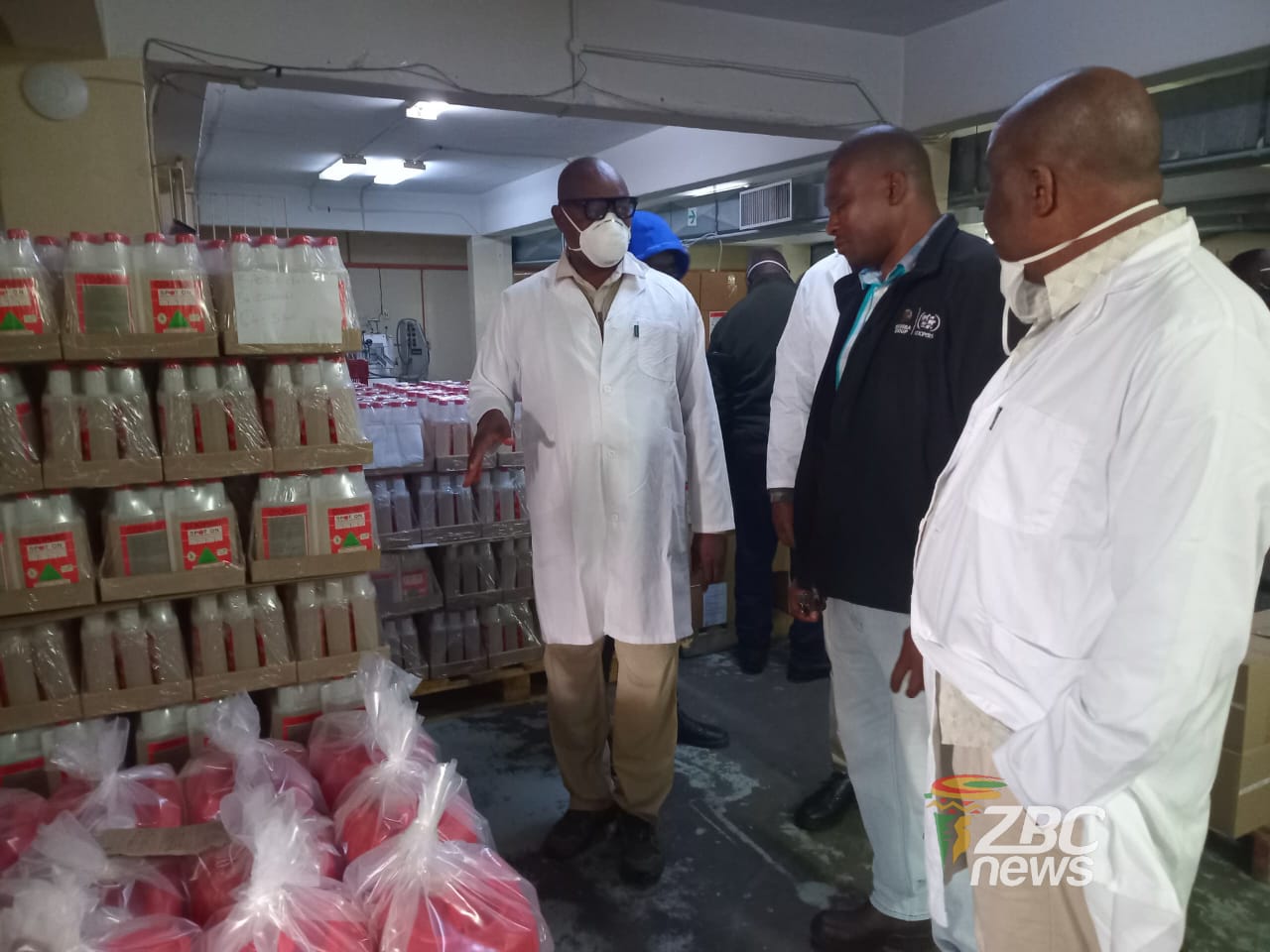
Deputy Minister of Lands, Agriculture, Fisheries, Water and Rural Development, Honourable Davis Marapira, on Thursday toured a production facility in Bulawayo to assess its readiness to supply dipping chemicals to areas affected by the outbreak.
“We are here in Matabeleland province to check the level of production of dipping chemicals. I am happy to note that they have enough stock to supply Matabeleland and Midlands. The supply is going to areas like Binga and Hwange in Matabeleland North. We require farmers to pay US$2 per animal per year. We have to be found dipping because now it is the green season. There is too much activity when the grass is green. The only solution is for us to dip religiously.”
Private sector players, who have received financial support from Treasury under the national dipping programme, say they are scaling up production to meet growing demand.
Managing Director of Coopers Zimbabwe, Mr Petrus Erasmus, said the company has adequate stock to support the programme in the immediate term.
“We have been working with the Ministry of Lands, Agriculture, Fisheries, Water and Rural Development for decades now. Currently, we are under pressure to produce more. We have made plans to introduce 24-hour shifts. However, we currently have enough stock to push us for the next two months or so,” he said.
Authorities say tick-borne diseases remain a major threat to livestock production, accounting for between 60 and 70 percent of cattle deaths in some regions.
According to Matabeleland North Provincial Veterinary Services Director, Dr Gwinyai Zhandire, complacency among some farmers has contributed to the losses.
“We have lost about 1 600 cattle in Matabeleland so far because most farmers are still complacent when it comes to dipping,” Dr Zhandire noted.
Government officials say the partnership with manufacturers such as Coopers Zimbabwe will ensure a steady supply of dipping chemicals to more than 4 000 communal dip tanks across the country, as part of efforts to contain tick-borne diseases and protect Zimbabwe’s livestock sector.

