



Story by Fungai Jachi
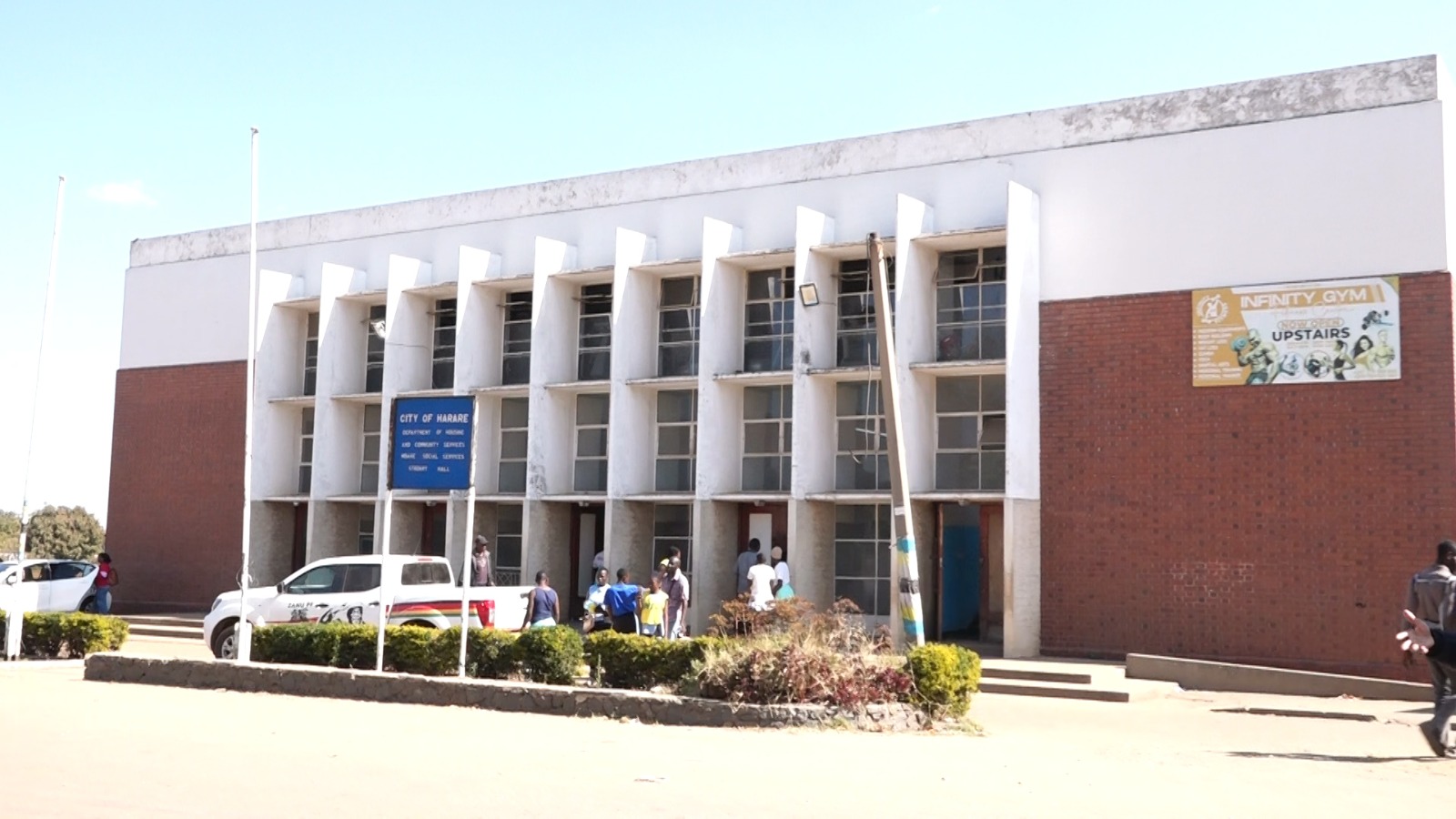
STODART Hall in Mbare is a significant and historic community centre that played a crucial role in Zimbabwe’s liberation struggle and now stands as a place of remembrance for national heroes.
Tucked in the heart of Mbare, Harare’s oldest township, it stands not just as a community centre but as a monument of resistance, remembrance, and revolution.
Built in 1958, the hall was established during the colonial era as a community space for black urban dwellers.
While originally intended for recreation and community events, it soon transformed into something far more powerful, a hub of political awakening during Zimbabwe’s liberation struggle.
During the Second Chimurenga, nationalist leaders and freedom fighters used Stodart Hall as a discreet venue for strategic meetings, planning resistance efforts against the colonial regime.
It was here, in 1960, that a confrontation between youths and the Rhodesian police sparked a new phase of political consciousness and resistance.
Cde Douglas Mahiya, ZANU PF Secretary for the War Veterans League, described the site as a cornerstone of black political mobilisation.
“All nationalist politics started in Highfield and Mbare, that is where all political activities of the black man started, and they used to do it here at Stodart to take advantage of the television and games that were here, conscientising the people. The Nationalist leadership, all of them, came through Mbare. That was the headquarters of politics,” he said.
Beyond its role in political organising, Stodart Hall gained national reverence in independent Zimbabwe as a place of farewell for national heroes and heroines.
Traditionally, the bodies of liberation icons would be brought to the hall to lie in state before proceeding to their final resting place at the National Heroes Acre.
Cde Joseph Kandemiri, Chairperson of the Mujibha-Chimbwido Association and a former freedom fighter, recalled the strategic significance of the hall during the liberation war.
“Those who were ZANLA forces stayed in Chitungwiza Zengeza, and ZIPRA forces were in Chitungwiza, Unit O, and there was a boundary between the two forces, so Stodart became a central point for them to meet.
“The reason why it remained popular is because all commanders who passed on, their bodies would be brought here first and spend the night before being taken to their final resting place. No one would be buried without passing through this hall. But because of COVID-19, it is no longer happening like before,” he said.
Today, many pass by Stodart Hall without realising its layered past.
Yet within its walls echoes the voices of revolutionaries, the strategies of liberation, and the farewells to national heroes who shaped Zimbabwe’s destiny.
Stodart Hall might seem just like another building in Mbare but it holds a rich history that stands as a reminder of Mbare’s importance and its connection to Zimbabwe’s journey from colonialism to freedom.

