



By Patience Nyagato
THE recent arrest of Evans Sivechere, better known on social media as Vecco Lupa, has thrust the spotlight on a deepening crisis of online trust.
Sivechere, director of Diamond Migration Ltd, is alleged to have orchestrated an international recruitment scam that defrauded desperate job seekers of more than US$17 500. His arrest triggered public apologies from popular influencers among them Madam Boss, Mabrijo and Tytie, who had promoted the company’s services to their large audiences.
Their endorsements gave the business credibility, blurring the lines between social proof and professional responsibility. Their faces, posts and massive followings had fuelled the trust that allowed the alleged scam to flourish and that is where the real story begins.
Sivechere’s case is far from isolated. It is the latest and loudest reminder of a dangerous trend sweeping across social media, the commercialisation of trust.
Brand ambassadors, social media personalities and influencers, once admired for talent or authenticity, have become the new frontline marketing agents for companies whose legitimacy is as questionable as it is criminal.
In a digital world where visibility equals credibility, many have ignored due diligence at their own peril.
When money enters the equation, judgment exits, endorsements become transactions and public trust develops into collateral damage.
But Zimbabwe is not alone, social media deception and the commercialisation of trust have become a global menace.
In 2023, Chinese cryptocurrency entrepreneur, Justin Sun, was charged with fraud by the United States Securities and Exchange Commission, accusing him of manipulating the markets for Tronix (TRX) and BitTorrent (BTT), while secretly paying celebrities to promote the tokens.
Eight public figures, including actress and singer Lindsay Lohan, boxer Jake Paul, rapper and record producer Soulja Boy, famed musicians Akon, Ne-Yo, Austin Mahone, and Kendra Lust were cited for illegally endorsing the assets without disclosing they were paid.
Just like in Zimbabwe, the star power behind the promotions misled thousands into thinking the crypto market was stable, trustworthy and the smartest investment option.
Six of the celebrities, among them Lohan, Paul and Akon, settled with the SEC for more than US$400,000 in penalties, while Soulja Boy and Mahone declined to settle at the time the charges were filed.
Some of these darkest manipulations are happening in the health sector, targeting women’s reproductive health.
One disturbing trend is the rise of local brands claiming to treat Polycystic Ovary Syndrome (PCOS), one of the world’s most common causes of infertility.
Fertility, deeply emotional and culturally sensitive, has become fertile ground for exploitation.
Women desperate for a chance to conceive are buying the so-called safe supplements, mixtures, and even suppositories marketed by celebrities who rarely understand the medical risks of what they promote.
Globally, there is no certified medication for solely treating or curing PCOS. None.
If the miracle treatments pushed online are scientifically valid, Zimbabwe could be holding the world’s first groundbreaking cure for a condition affecting more than 65.7 million women as of 2021, a number still rising.
Instead, the real danger is that unregulated substances could worsen health conditions, delay proper treatment, or in severe cases pose serious medical threats in future.
Out of curiosity, I reached out to one of the clinics offering PCOS treatments.
I asked for details about the ingredients in their products; information I believe should be fully transparent for any medical intervention. To my surprise, the response was evasive: ‘We can’t divulge the ingredients, but it’s all safe.’
Such secrecy raises suspicion with regard to accountability and patient safety, especially when desperation drives women to try unverified remedies.
Behind every viral endorsement lies a web of incentives. For many influencers, product promotions have become a livelihood. Some receive lucrative payments; others enjoy benefits, gifts, or sponsorships
But in the rush to secure deals, few stop to ask if these products are safe, if these companies are registered, if these services have been verified, or what happens if everything goes wrong.
The result is a global trail of deception.
From Ponzi schemes to fraudulent recruitment agencies, from counterfeit beauty products to unregulated health companies, brand ambassadors have become unwitting accomplices in schemes that thrive on the power of visibility.
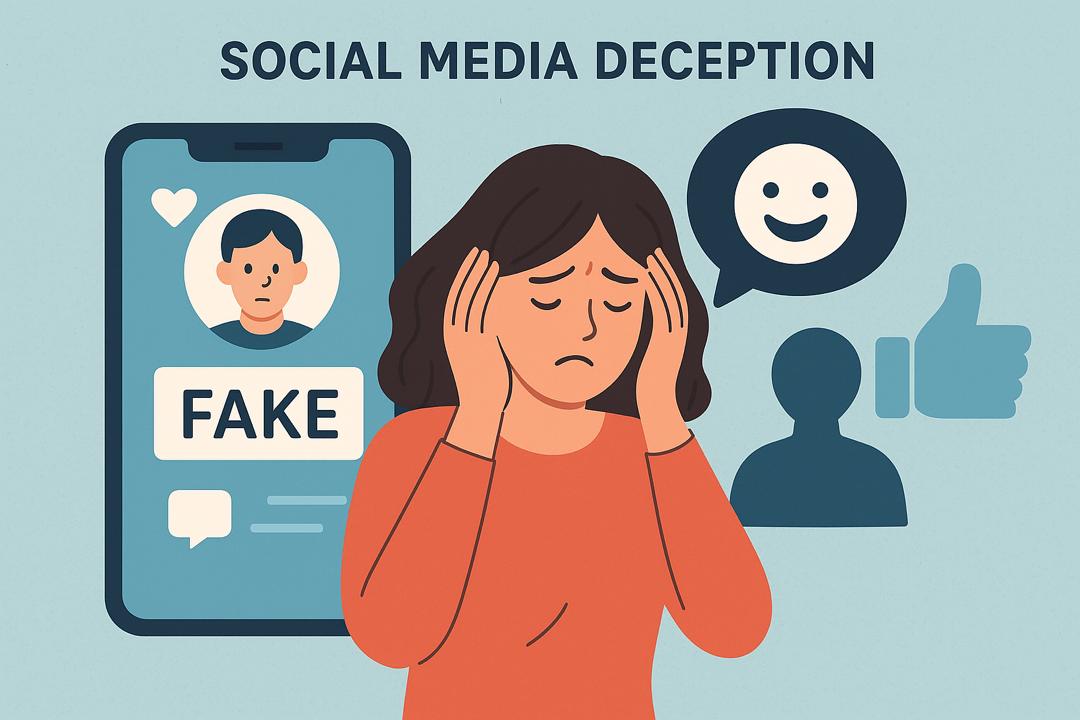
Social media, once celebrated for democratising fame, has also democratised deception.
Anyone with money can now lie to thousands instantly, convincingly, and with the help of a familiar face.
As Sivechere awaits trial, the conversation must shift from one man’s alleged crimes to a much broader reality.
The internet has rewritten the rules of trust, blurring the lines between authenticity and advertising.
Influencers, whether they like it or not, now carry a moral and social responsibility.
Their endorsements are not just posts; they are signposts directing thousands of followers toward decisions that can change or damage lives. A simple question, a moment of research, or a refusal to endorse a questionable brand could save countless lives and financial loss, disappointment, or even medical harm.
Sivechere’s arrest is not just a crime story; it is a wake-up call. A reminder that behind every perfectly styled post, every confident pitch, every smiling ambassador, there is a need for scrutiny.
A reminder that trust should be earned, not purchased, and a reminder that the influencer economy, vibrant and powerful as it is, urgently requires accountability.
Until then, social media will remain a beautiful but dangerous marketplace where hope is sold, trust is traded, and deception hides in plain sight behind the brightest smiles.

