



Story by Fungai Jachi
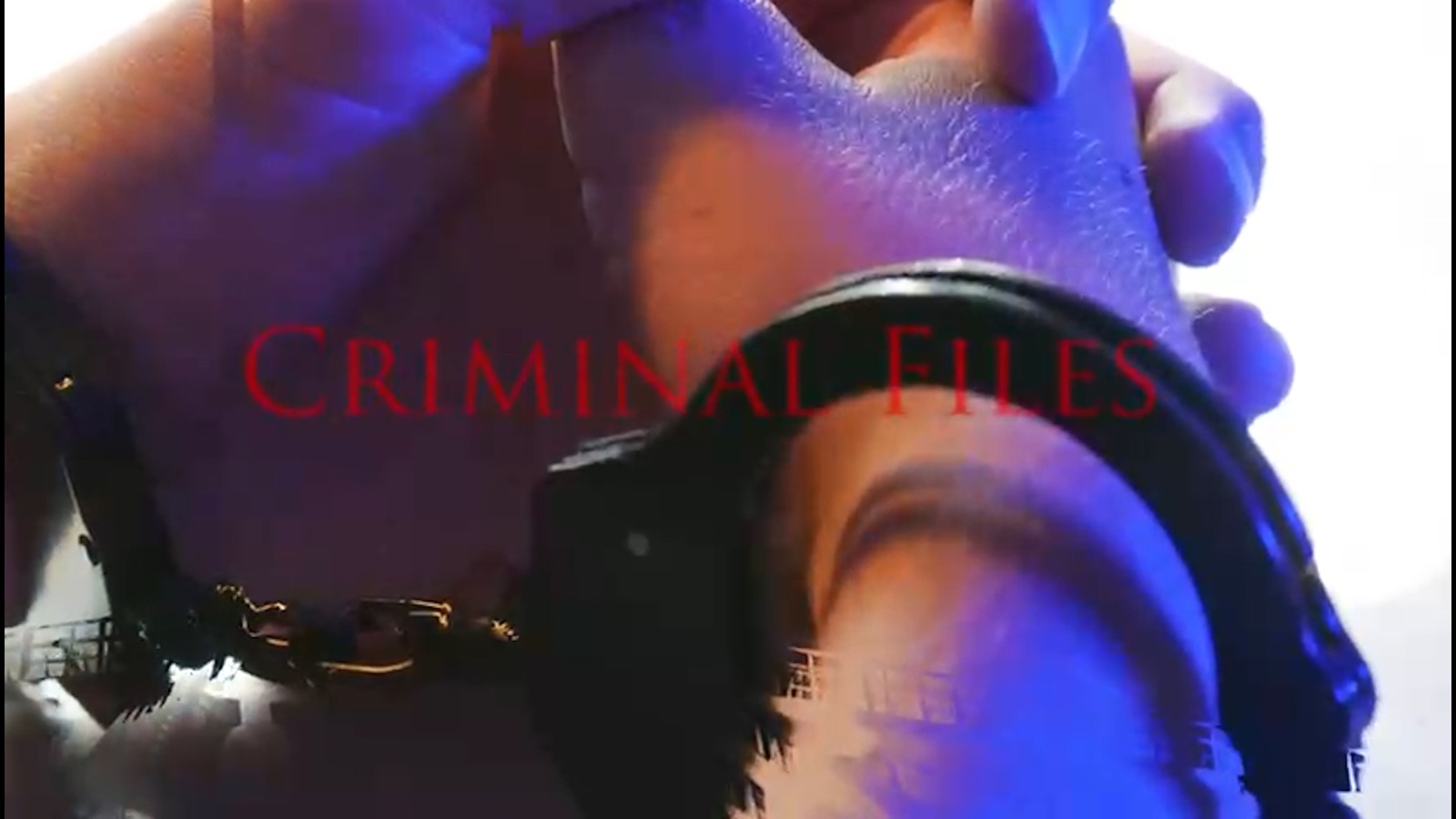
CHIREDZI-made television drama ‘Criminal Files’ is set to premiere on ZBC TV, marking another step in the national broadcaster’s push to expand locally produced content while bringing regional storytelling to a wider audience.
The series is produced by Lowveld-based filmmaker Prince Sithole and directed by award-winning director Iggy Matope, with the entire production from cast to locations rooted in Chiredzi.
Criminal Files explores themes of crime and fame, drawing from everyday social realities while reflecting Zimbabwe’s cultural diversity. The production blends Shona, Shangani and Ndau, offering an authentic portrayal of life in the Lowveld, a setting rarely foregrounded on national television.
Speaking on the production, Sithole said the series was intentionally designed to highlight both local culture and universal social challenges.
“It is a series where crime and fame take centre stage. There is a mixture of languages like Shona, Shangai and Ndau. The whole series was shot here in Chiredzi and the cast is also from here. We are showcasing the diverse cultures we have and how certain situations can be dealt with. It was directed by Iggy Matope, one of the best film directors we have in the country,” Sithole said.
Sithole also welcomed ZBC’s decision to air the series, describing it as a critical platform for filmmakers operating outside major urban centres.
“It is really motivating that we know ZBC will air our productions because, as local content creators, such opportunities are critical as we move to grow the industry. Our products are not bad; they showcase the diverse cultures we have. Moreso, having productions coming from places like Chiredzi shows that talent is not just concentrated in big cities,” he said.
The premiere of Criminal Files comes amid increased support for Zimbabwe’s creative sector, with Government having set aside a US$10 million fund to stimulate local film and television production. Industry players say such initiatives are helping to decentralise content creation, broaden representation and strengthen Zimbabwe’s cultural footprint on national screens.

