



Story by Mhlomuli Ncube
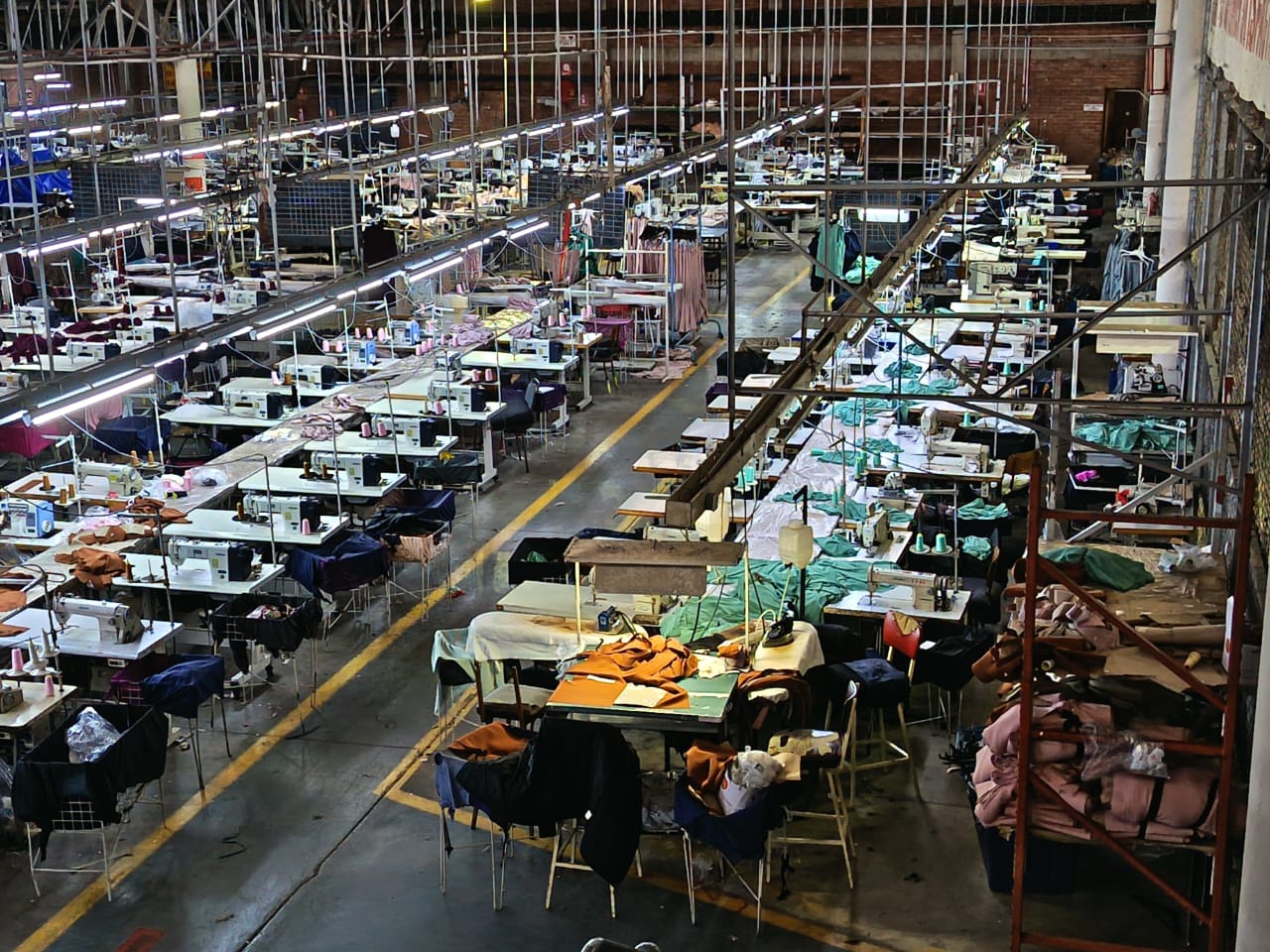
ZIMBABWE’s textile industry is showing renewed signs of recovery, with expanded production by leading manufacturer, Carousel, driving growth among small and medium enterprises (SMEs) and supporting the Government’s re-industrialisation agenda.
In recent years, Carousel has invested heavily in increasing production capacity, strengthening supply chains and widening its market reach, a strategy that has enabled greater integration of local SMEs into the textile and garment manufacturing value chain.
The expansion has translated into tangible employment opportunities, particularly for young people and women. Among the beneficiaries is a young woman from Tokwana village in Plumtree who is now formally employed as a seamstress by a Bulawayo-based SME contracted to produce garments for Carousel.
“I never imagined I would be working with machines every day. This job has changed my life. I am now able to support my family and myself and now have a skill that I will use for years,” said Ms Ability Dumani, an employee at Next Generation Consulting.
The experience reflects a broader transformation among SMEs in Bulawayo that have secured contracts through the textile manufacturer. Next Generation Consulting, one such enterprise, has rapidly expanded its workforce and operations.
“We started with 12 machinists and now we have 65. We are employing people between the ages of 18 and 45, targeting vulnerable communities,” said the company’s chief executive officer, Mrs Tafadzwa Zimbudzana.
“When they came here, they had no skills, but we trained them. The steady flow of orders has enabled us to grow from survival mode into a stable manufacturing unit contributing to the local economy.”
Carousel Managing Director, Mr Manfree Tanyanyiwa, said the company’s growth model deliberately focuses on cascading benefits to smaller producers.
“We are working with many small-to-medium enterprises. They often have the skills but lack capital to meet large orders,” he said.
“Our role is to support them with fabric, trims and technical expertise so they meet quality standards. As Carousel grows, particularly through Express shops targeting lower-income consumers, these SMEs grow with us.”
Government officials have welcomed the model, saying it aligns with national priorities to revive local manufacturing while creating sustainable employment.
Permanent Secretary for the Minister of State for Provincial Affairs and Devolution, Mr Paul Nyoni, said plans are underway to deepen collaboration between industry and training institutions.
“We are working towards partnerships that link Carousel with vocational training centres so more machinists are trained locally. This ensures that industrial expansion is matched with skills development and sustainable employment,” he said.
With factories expanding, SMEs scaling up and more workers entering formal employment, the Carousel value chain is emerging as a practical demonstration of how re-industrialisation can drive inclusive economic growth.

