



Story by Peter Chivhima
A collective approach has been identified as key in addressing the country’s skills gap as the nation journeys towards vision 2030, an upper-middle-income society.
The education sector is expected to play a significant part in bridging the gap and ensure the attainment of the vision, hence the need for an intentional and targeted approach, especially where international scholarships are concerned.
The Minister of Skills Audit and Development Professor Paul Mavhima stressed the need to adopt a targeted approach in awarding scholarships.
” The biggest issue with our administration of scholarships is the need for a coordinated approach. An approach that starts from a demand perspective to say what kind of skills we need and which skills are we not developing ourselves locally or where we are not sufficiently developing those. As we give especially international scholarships, we focus on those areas of need as a first priority.
“The second aspect is we should have a clear understanding of the institutions where our people are going so that when they come back with the qualifications they have achieved, these are qualifications that have given them very specific skills that can contribute to the achievement of the national aspirations of this country, attainment of the specific objectives of NDS1 and NDS2, that we need to be very clear. We also need to strengthen scholarships and funding opportunities for learners and students in this country, especially in the areas where skills are needed,” said Professor Mavhima.
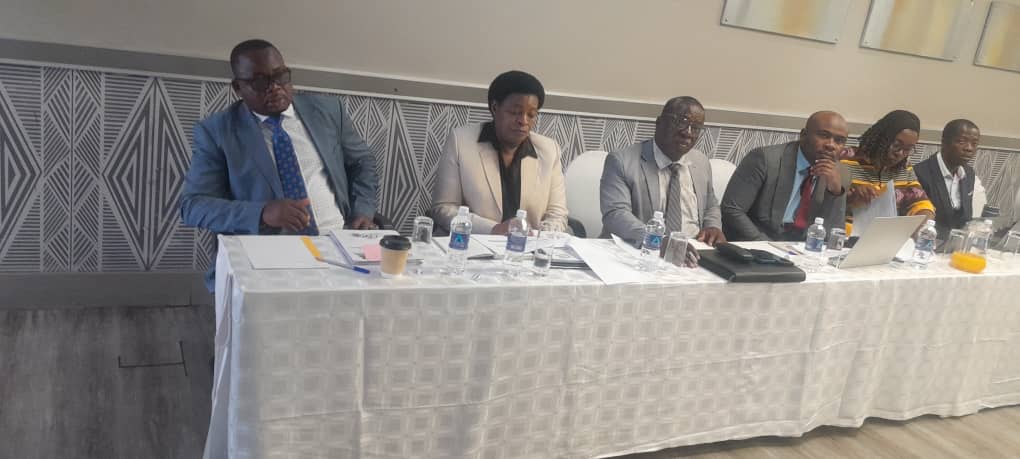
Meanwhile, the obtaining skills gap poses a threat to achieving this goal and calls for a collective approach to solution finding and stakeholders in the Higher and Tertiary Education sector are sharing ideas on the best national scholarship policy.
“It is very critical that we come up with such a platform where we get all the important stakeholders to come together and look at our national aspirations, where we then give each other ideas on how we can address all these skills gaps that exist in our country. So that once we have looked at them and we have addressed them, we can then move faster towards the national aspirations.
“One of the recommendations which we think is important is that to a certain point, when possible, some of these scholarships can be coordinated in such a way that they are directed towards addressing the national skills gaps that already exists in our country,” said Professor Kudakwashe Chitindingu.
The government is playing a significant role in providing access to quality education for citizens, including providing assistance to deserving students through the Presidential and National Scholarship programmes.

