




Story by Stanley James, Business Editor
AS Zimbabwe prepares to commemorate Heroes Day next month, attention is turning to the economic empowerment legacy of the liberation struggle, with growing participation by indigenous Zimbabweans across key sectors of the economy.
The liberation struggle sought not only to end colonial rule but also to secure economic opportunities for the black majority. That vision continues to influence Zimbabwe’s business landscape as more local entrepreneurs expand their presence in mining, agriculture, manufacturing, tourism and retail.
Business leaders say today’s opportunities are rooted in the sacrifices made by the country’s liberation heroes and heroines.
“It is the sacrifices that have seen us being where we are today, so we are really grateful for the work by these fallen heroes. As you can see here, we are expanding, all as a result of the benefits arising from those who fought for this nation,” Geosard Engineering Director Mr Pius Bhebhe said.
Ellionex Inc Director Mr Elliot Gwazhi said the country’s development trajectory reflects the foundation laid during the liberation struggle.
“Zimbabwe is now on a development trajectory as a result of their sacrifices. Indeed, if it were not for such sacrifices, we would have been doomed.”
Local entrepreneur Mr Givemore Mesoemvura said the contribution of the country’s heroes continues to be reflected across the economy.
“Be it mining, agriculture, tourism, manufacturing, retail or other critical sectors, one can see that those alive and our fallen heroes all played a vital role in the journey towards where we are today. Indeed, we are grateful.”
Official figures show local entrepreneurs now contribute more than 60 percent of Zimbabwe’s annual economic output. President Dr Emmerson Mnangagwa recently reaffirmed government’s commitment to advancing the economic aspirations of the country’s liberation heroes through policies that promote industrial growth and value addition.
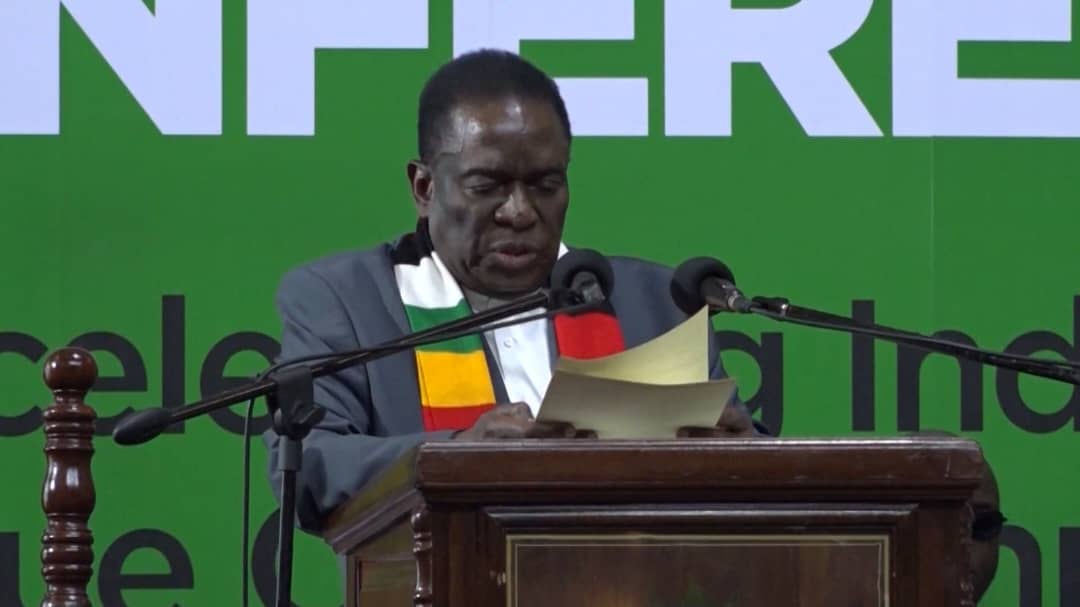
“There is a need to beneficiate iron and steel, lithium, cement, pharmaceuticals, tobacco, leather, cotton, fertilisers, dairy, oilseed processing, as well as sugar, grains, logistics and packaging. Additionally, the study confirms that Zimbabwe’s industrial sector has demonstrated resilience, recording higher capacity utilisation, now at 61.2 percent in the first quarter of 2026, up from 35 percent in 2019,” President Mnangagwa said.
Micro, Small and Medium Enterprises have become a major pillar of Zimbabwe’s economy, with government positioning local enterprise and industrialisation as key drivers of the country’s economic empowerment agenda and Vision 2030 aspirations.

