



Story by Tafara Chikumira
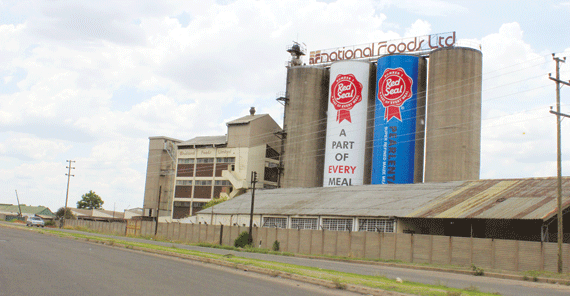
NATIONAL Foods is recording strong growth in production and capacity utilisation following the commissioning of three new manufacturing plants as part of a US$23 million recapitalisation and expansion programme.
The food processing giant commissioned a biscuit plant, pasta plant and cereal plant last year to increase production capacity and strengthen its market position.
National Foods Group Chief Executive Officer, Mr Mike Lashbrook said the investment is already delivering positive results, with production levels rising across the new facilities.
“Our production levels have steadily increased. The pasta plant is operating at an average of 80 percent. The biscuit plant is at 100 percent and the cereals plant at 90 percent. Our monthly revenue as a group is now between 12 and 15 percent. Since we commissioned the plants, our workforce has increased by 300 people, which translates to around 15 percent. This speaks to a good growth on this side,” National Foods’ Group Chief Executive Officer, Mr Mike Lashbrook noted.
Buoyed by the performance of the new facilities and confidence in the operating environment, the company is planning further expansion.
Mr Lashbrook said National Foods intends to invest an additional US$25 million in new production facilities from next year and is targeting export market growth once output reaches peak levels.
“I must say the business environment is quite ok. This is increasing our appetite to do business here. We intend to establish more production plants to the tune of US$25 million, beginning next year. We also intend to make inroads in the export markets once our production peaks,” Mr Lashbrook added.
The expansion of production capacity by National Foods reflects growing investment activity within Zimbabwe’s manufacturing sector, supported by ongoing efforts to modernise industry and improve competitiveness.
Speaking at the Annual Exporters Conference in Bulawayo earlier this year, President Emmerson Mnangagwa highlighted measures being implemented to promote local investment and industrial growth.
Industry recapitalisation remains a key pillar of the National Development Strategy Two (NDS2), which seeks to accelerate economic transformation and support Zimbabwe’s goal of attaining upper-middle-income status by 2030.

