



Story by Oleen Ndori, Foreign Editor
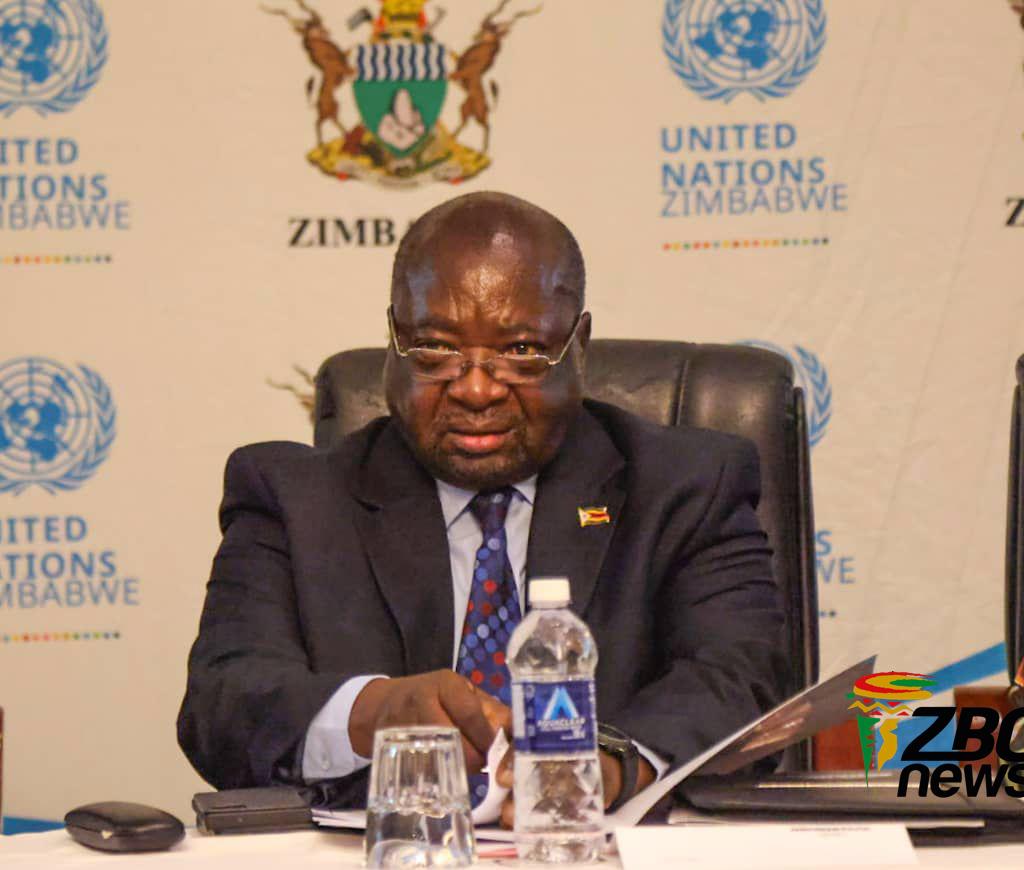
GOVERNMENT has taken a major step towards strengthening performance management and accelerating the attainment of Vision 2030 after convening a stakeholder validation meeting for the National Development Strategy Two (NDS2) Key Performance Indicator (KPI) Handbook.
The meeting brought together Deputy Chief Secretaries, Permanent Secretaries and other senior Government officials to review the framework, which is expected to become a key tool for monitoring performance across the public sector.
Discussions centred on the handbook’s role in promoting a whole-of-government approach to implementing NDS2, its alignment with national development priorities and lessons drawn from the implementation of the National Development Strategy One (NDS1).
Stakeholders also received an update on the Zimbabwe-United Nations Sustainable Development Cooperation Framework for the period 2027 to 2031, which seeks to strengthen collaboration between Government and development partners in support of national development goals.
The NDS2 KPI Handbook is designed to enhance results-based management by clearly outlining performance indicators, measurement formulas, data sources, reporting timelines and accountability mechanisms.
The framework will also strengthen the Government’s Performance Contracting Programme by providing objective benchmarks against which institutions and public sector leaders can be assessed, promoting efficiency, transparency and accountability in service delivery.
Once the validation process is completed, the handbook will be launched by President Emmerson Mnangagwa.
Government officials said the KPI Framework will facilitate regular monitoring, evaluation and reporting, generating evidence-based insights to support policy implementation and informed decision-making.
The framework is also expected to promote equitable development and inclusive service delivery by embedding the principle of leaving no one and no place behind.
Through data disaggregation by province, district, gender, age, disability and other socio-economic characteristics, the framework will enable Government to identify development disparities, track progress across different population groups and geographical areas, and ensure interventions reach vulnerable and marginalised communities.
The initiative is expected to strengthen national planning, improve public sector performance and support balanced growth across all provinces and districts as Zimbabwe advances towards Vision 2030.

