



Story by Bruce Chahwanda, Political Editor
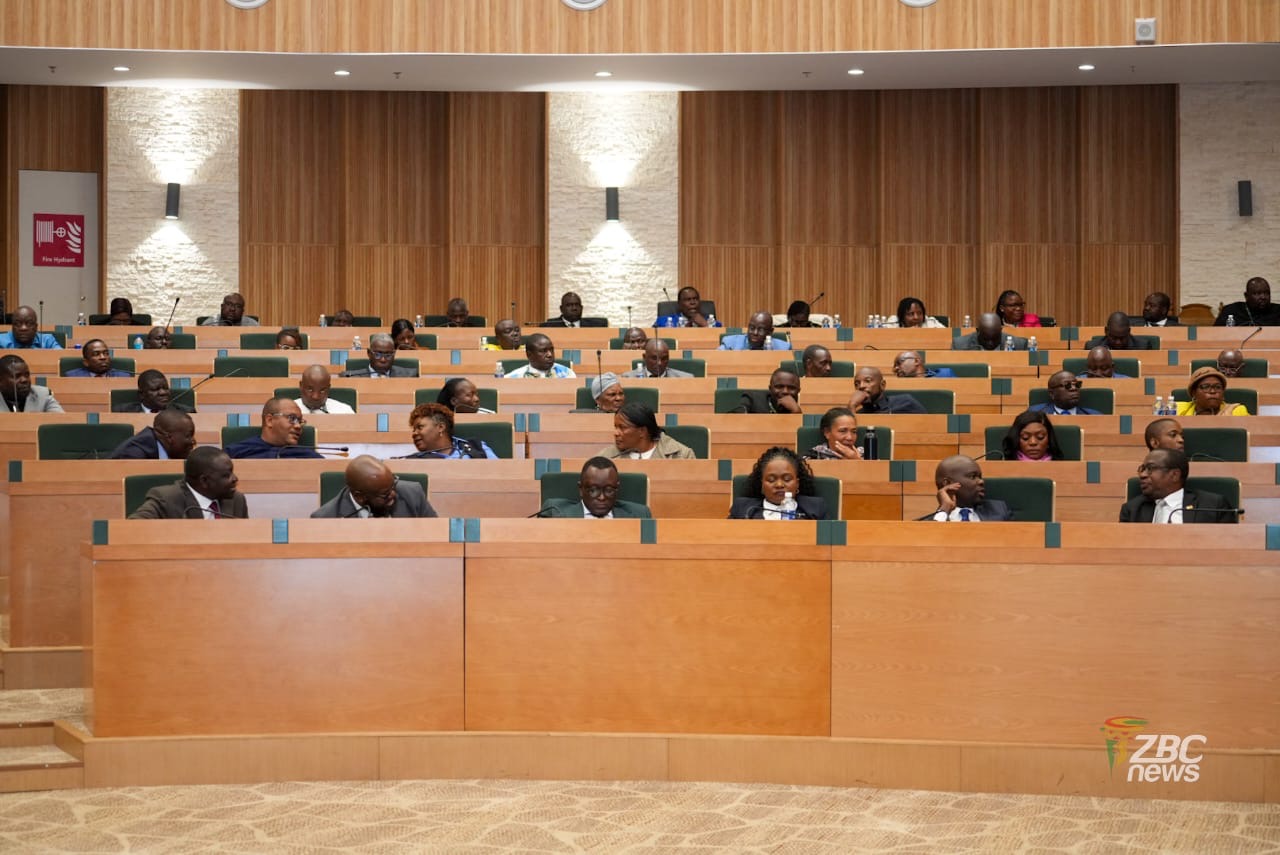
MORE than 30 legislators have participated in debate on the Constitution of Zimbabwe Amendment (No. 3) Bill since its Second Reading, with the majority expressing support for its key governance and electoral reform proposals, while also calling for the Zimbabwe Gender Commission to remain a standalone constitutional body.
The debate, which began last Thursday following the Bill’s Second Reading by Justice, Legal and Parliamentary Affairs Minister Honourable Ziyambi Ziyambi and the presentation of a joint parliamentary committee report, continued throughout Friday and is set to resume when Parliament reconvenes on Tuesday.
Contributions from across the House showed significant backing for proposals aimed at reshaping Zimbabwe’s electoral and governance architecture, including extending the electoral cycle from five to seven years, transferring voter registration to the Registrar-General, establishing a dedicated Electoral Delimitation Commission and allowing Parliament to elect the President.
Several legislators argued that the proposed reforms would strengthen institutional efficiency, improve governance continuity and create a more stable environment for long-term national development.
One legislator described CAB3 as “an act of refinement and responsible governance” and urged colleagues “across the political divide” to support the Bill. The member told Parliament that public consultations had shown overwhelming backing for the reforms, saying, “The people have spoken and their message is clear that CAB3 should be enacted into law.”
Debate also highlighted support for the proposal to transfer voter registration and maintenance of the voters’ roll to the Registrar-General’s Office.
Honorable Josiah Makombe told the House that automatic registration through the Registrar-General would improve the system, arguing that “once a voter is registered at 18 years, it will be up to the voter maybe to change the constituency of work.” She added: “I strongly support this proposal.”
Honourable Auxillia Dhanzi also welcomed the measure, saying: “Consolidating these responsibilities under one institution will improve efficiency, strengthen record management and enhance public confidence in the administration of the electoral process.”
The proposed shift to parliamentary election of the President also attracted support from several lawmakers, who argued it would align Zimbabwe with practices adopted elsewhere in the region and across the Commonwealth.
One contributor told Parliament that electing the President through Parliament was “the settled norm across the Commonwealth” and would provide “a more stable future in the national interest.”
Another legislator argued that if Parliament already possesses the constitutional authority to remove a President from office, it should also be empowered to elect one.
“If Parliament has the power to impeach, it only makes sense that it has the power to…” elect the President, Honourable Samantha Mureyani told the House.
Support also emerged for the proposed extension of presidential, parliamentary and local authority terms from five years to seven years.
Honourable Getrude Mutandi said the amendment would provide “continuity in leadership and policy execution necessary for long-term national progress,” adding that “development is not an event, it is a process that requires stability, predictability and sustained leadership.”
Another legislator argued that the seven-year cycle would help reduce what was described as a “perpetual campaign atmosphere” and allow leaders “to govern rather than campaign.”
The proposed establishment of a Zimbabwe Electoral Delimitation Commission also received support, with proponents saying specialised institutions would improve transparency and public confidence in electoral processes.
Honourable Mutandi said the reforms were aimed at “institutional clarity, efficiency and credibility” and would ensure that electoral functions were carried out by bodies specifically designed for those responsibilities.
Despite broad support for many of the Bill’s provisions, lawmakers from both sides of the debate consistently opposed proposals to absorb the Zimbabwe Gender Commission into the Zimbabwe Human Rights Commission.
Honourable Makombe said women had benefited from the Commission’s work and declared: “I want to strongly oppose the removal of the Gender Commission from its current setup.”
Honourable Mutandi similarly warned that dismantling the body risked reversing gains made in advancing gender equality, while the Chairperson of the Portfolio Committee on Women Affairs argued that the Commission’s removal would “erode confidence among citizens and partners alike” and urged Parliament to preserve it as a distinct institution.
As debate continues, parliamentary sources indicate that while opinions differ on specific clauses, support for many of the Bill’s central governance and electoral reform measures remains strong.
The National Assembly is expected to resume consideration of CAB3 on Tuesday, with further contributions anticipated before the House moves to the next stages of the constitutional amendment process.

