



Story by Nyasha Makota
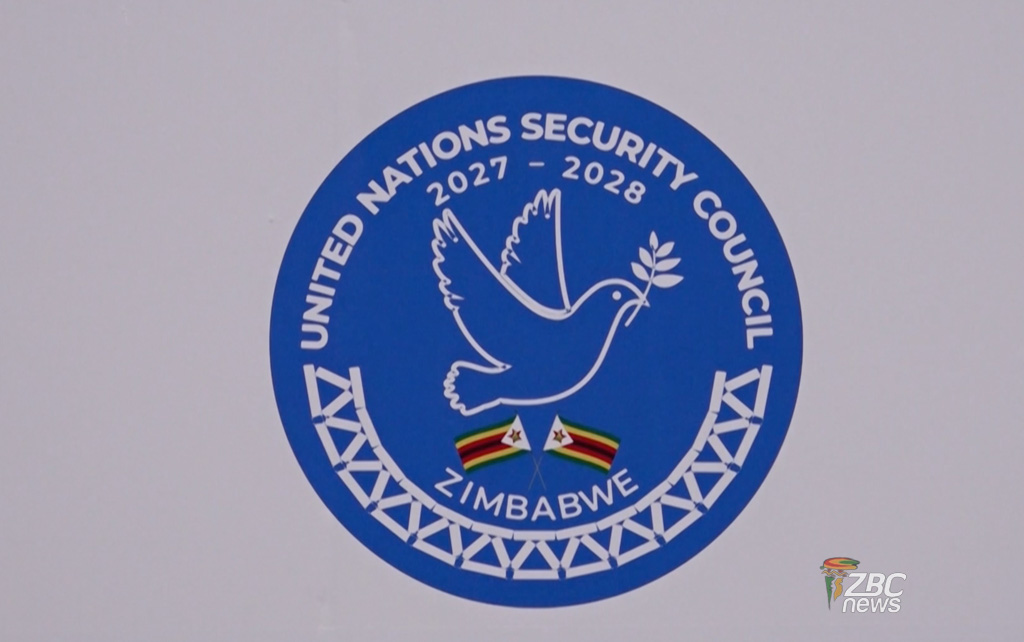
AS the world marks the International Day of Multilateralism and Diplomacy for Peace, experts say Zimbabwe’s bid for a non-permanent seat on the United Nations Security Council for the 2027-2028 term is both timely and principled.
The call comes amid renewed global debate over the effectiveness of multilateral institutions, particularly as geopolitical tensions continue to test the international rules-based order.
For Zimbabwe, multilateralism is more than a diplomatic ideal. It is a cornerstone of its foreign policy, anchored on the doctrine of being “a friend to all and an enemy to none.”
The country’s campaign for a seat on the Security Council reflects its longstanding belief that all nations, regardless of size or power, should have an equal voice in promoting global peace and security.
International relations expert Dr Prolific Mataruse said multilateralism remains essential, especially for the Global South.
“For the Global South, this day matters deeply. Nations must engage as a community, not as individual countries. We have seen it time and again—acting alone has not profited anyone. The only way forward is when nations work together, not when some countries think of themselves as the police of the world,” he said.
He added that the selective application of international rules by powerful nations undermines the credibility of global institutions.
“The idea of multilateralism is sound. The problem is that some superpower countries behave as if they exist outside those structures. They use multilateralism when it is convenient, but when it is not, they act unilaterally. That undermines the credibility of the entire system,” he said.
Asymmetric warfare expert Tawanda Gotami said Zimbabwe’s bid also aligns with Africa’s broader push for fairer representation in global governance structures.
“Most of the resolutions by the United Nations Security Council have been on Africa, and yet Africa itself is not adequately represented. Zimbabwe’s call, in line with the Ezulwini Consensus, is therefore justified,” he said.
Zimbabwe’s campaign is also seen as reinforcing Africa’s demand for a stronger voice in international decision-making, particularly on issues affecting the continent.
Established by the United Nations General Assembly in 2018, the International Day of Multilateralism and Diplomacy for Peace underscores the importance of collective action in addressing global challenges.
For Zimbabwe, its UNSC bid represents an opportunity not only to contribute to global peace and security, but also to advocate for a more inclusive, equitable and effective multilateral system.

