



Story by Aifheli Mudau
FARMERS in Ha-Siyoga, Beitbridge District, are recording improved food security and incomes under Government-led agricultural programmes aligned with the rural industrialisation agenda.
The Second Republic is leveraging local resources to transform rural economies through integrated farming and value addition, with communities now maximising available water sources such as the Mtshabezi River.
Beneficiaries of the land reform programme say the initiatives are yielding tangible results, with increased production and access to markets.
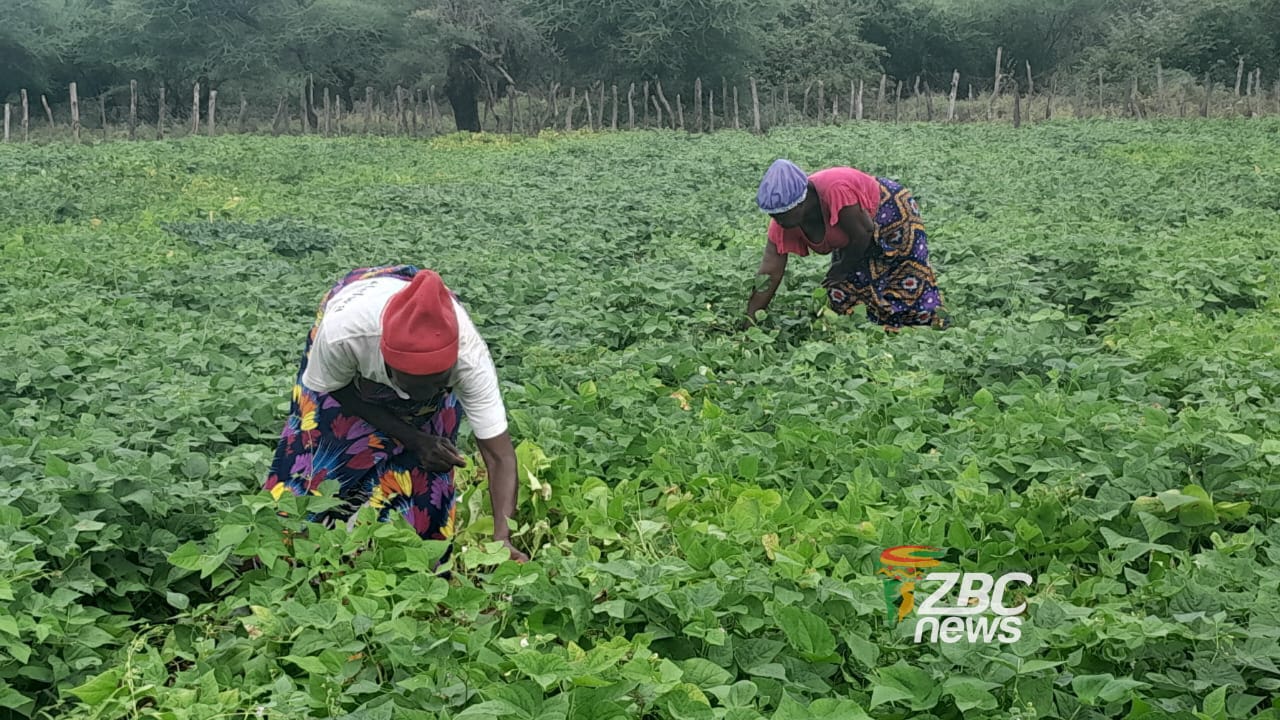
“We do a lot of crops in this area, including vegetables and maize, but for now we have sugar beans. After harvesting, we keep some for consumption and sell the surplus. We are realising good profits from farming, and this has helped even the community to be food secure,” said farmer, Miss Cathrine Siziba.
Mr Zivanai Simango, who returned from South Africa to take up farming, said the programme has transformed his livelihood.
“I was working in South Africa and when I came home I was given this piece of land which I am using for potatoes, maize and other cash crops. Since I started farming, my life has changed for the better, and I also supply nearby markets including Makhado, Beitbridge and even Gwanda,” he said.
Farmer Mr Newman Dube highlighted diversification into horticulture.
“We grow different crops here, but for now we have pawpaws that have already been sold. When they ripen, it is just a matter of delivering to the buyer. We started these projects after land was availed to us by government, and we are doing well,” he said.
Women are also playing a key role in driving productivity and household incomes.
“In this project, we are a group of 30 women growing sugar beans and other cash crops. We are doing well and have ready markets, including boarding schools that pay cash, which helps us take care of our families,” said Manyazwivhi Garden Project secretary, Malichaba Kwete.
The programme is aligned with the National Development Strategy Two (NDS2), which seeks to move rural communities from subsistence farming to agro-processing and commercial agriculture as Zimbabwe advances towards Vision 2030.

