



Story by Mercy Bofu-Matinha
BENEFICIARIES of Zimbabwe’s Land Reform Programme are translating the gains of the liberation struggle into tangible agricultural productivity, with youths taking a leading role in driving output and innovation.
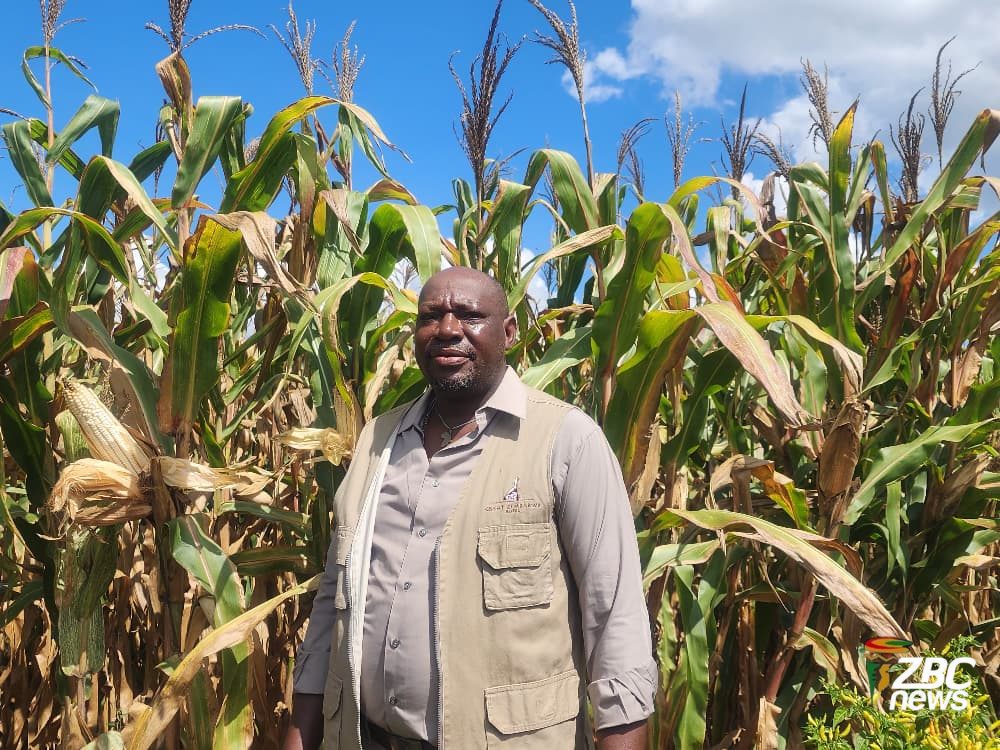
In Desmondale, near Masvingo, Mr Phainos Makwarimba and his siblings are building on the legacy of their father, the late Cde Clemence Makwarimba, a liberation war hero, by transforming their inherited land into a thriving enterprise.
Allocated the farm in 2010, the family has steadily expanded operations, adopting a diversified model that combines crop and livestock production.
“Our father, Mr Clemence Makwarimba, was a war veteran. We moved here in 2010 after he was allocated this farm by the government under the Land Reform Programme. He valued this piece of land so much that when he passed on, we carried on the legacy. Our mother is very supportive, and one of my brothers is mainly focusing on livestock. This season we have more than 20 hectares of maize, three hectares of potatoes, two hectares of watermelons, two hectares of chillies, and two hectares of cucumbers. Our vision is to expand, especially in chilli production, and also grow our livestock projects so that we increase our output,” said Mr Makwarimba.
The farm now supplies produce to markets in Masvingo, with growing demand driving plans to scale up production.
“We are supplying our produce to markets in Masvingo urban, especially the Chitima market, and the demand is increasing. As a farm, we are working on improving quality and increasing volumes so that we can penetrate more markets and maximise returns,” said farm manager Ms Melissa Manjonjo.
Beyond commercial success, Mr Makwarimba said farming remains a generational responsibility rooted in the sacrifices of the liberation struggle, supported by government programmes.
“We have received support through various government programmes, which are helping us to improve productivity. We received loans from AFC Bank, and we have been able to develop here. We believe that continued policy consistency as stipulated in the provisions of the Constitutional Amendment Number 3 Bill will further strengthen empowerment programmes and allow young farmers like us to grow,” he said.
Agricultural authorities say the uptake of government-led initiatives is increasing across the province, particularly among young farmers.
“As a province, we are witnessing increased uptake of agricultural programmes, particularly among young farmers. Young farmers are participating in sugarcane farming, the uptake of the Pfumvudza programme is on the rise, and rural youths are benefiting from village business units and newly established irrigation schemes. This is contributing to improved food security and productivity, which are key to national development,” said Agriculture and Rural Development Advisory Services provincial officer, Mr Caleb Mahoya.
As more youths venture into farming, the Makwarimba story reflects how the gains of independence are being sustained through productivity, innovation and a shared commitment to national development.

