



Story by Oleen Ndori, Foreign Editor
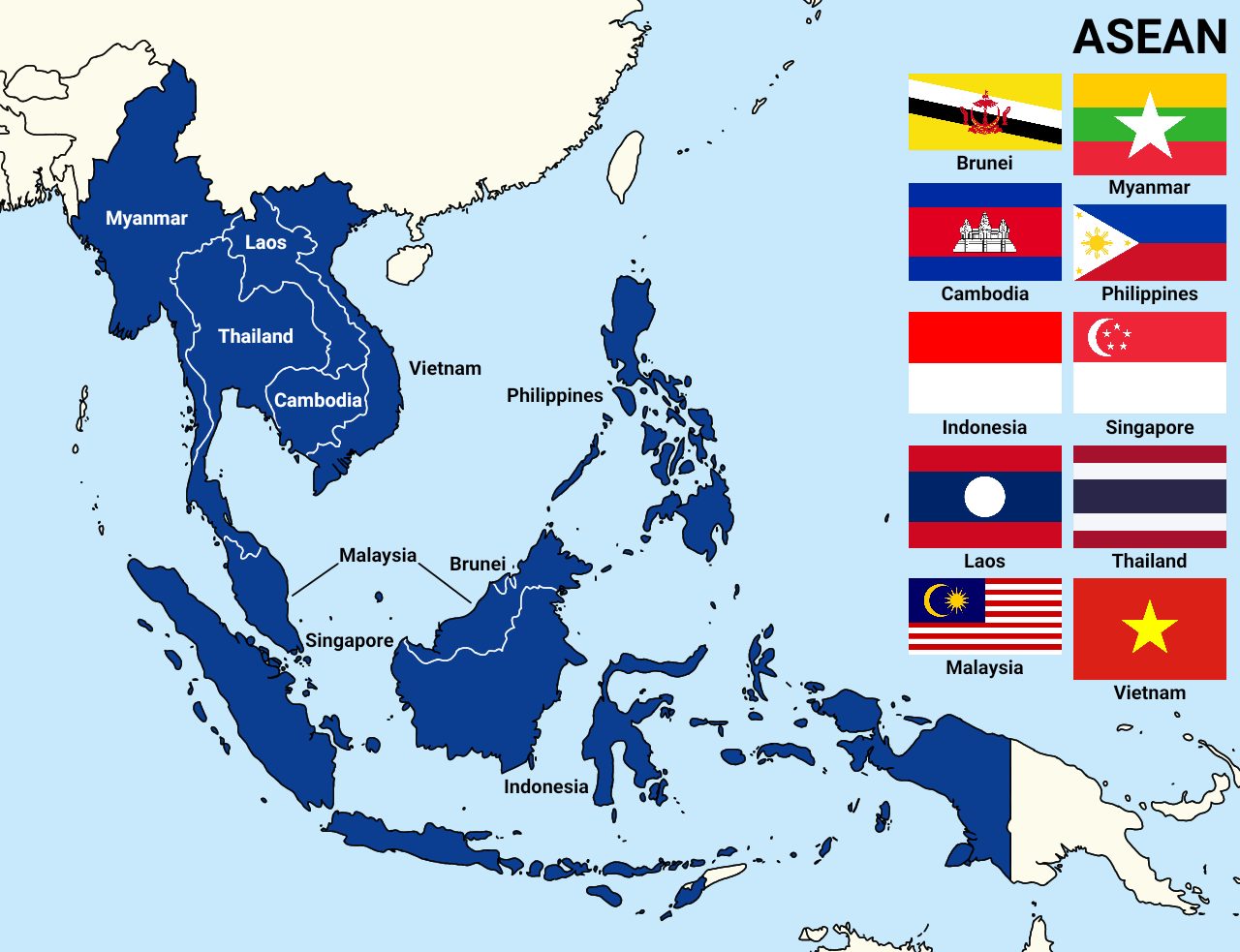
THE Association of Southeast Asian Nations (ASEAN) foreign and economic ministers have called for an immediate halt to the war in the Middle East.
Several members of the grouping have begun rolling out measures to counter the economic impact, with governments moving quickly to conserve energy, stabilise domestic markets and protect vulnerable sectors such as tourism.
The move comes as global oil prices continue surging as the conflict in the Middle East continues since it began on February 28.
As the global oil prices rise, multiple airlines across the globe have raised fares and increased fuel surcharges.
The conflict has disrupted traffic through the Strait of Hormuz, a key oil export corridor, pushing fares higher on some routes and deepening concerns about a broader hit to travel demand.
Cathay Pacific says it is adding flights to London and Zurich, with services to Riyadh and Dubai remaining suspended until the end of March.
Emirates says it would be operating a reduced flight schedule, while Hong Kong Airlines also says it is raising fuel surcharges, including a 35-percent increase on some routes.
South Africa’s airlines are also introducing fuel-related price adjustments at Cape Town International Airport and King Shaka International Airport in Durban, raising the cost of Jet A1 fuel in response to the rising oil prices.
The Middle East is home to five of the world’s top 10 oil producers.
Shipping through the Strait of Hormuz, a narrow waterway between Iran and Oman which carries about one-fifth of the world’s oil consumption and roughly 20 percent of global liquefied natural gas trade, has nearly come to a halt after the United States and Israel attacked Iran.

