



Story by Josephine Mugiyo, Diplomatic Correspondent
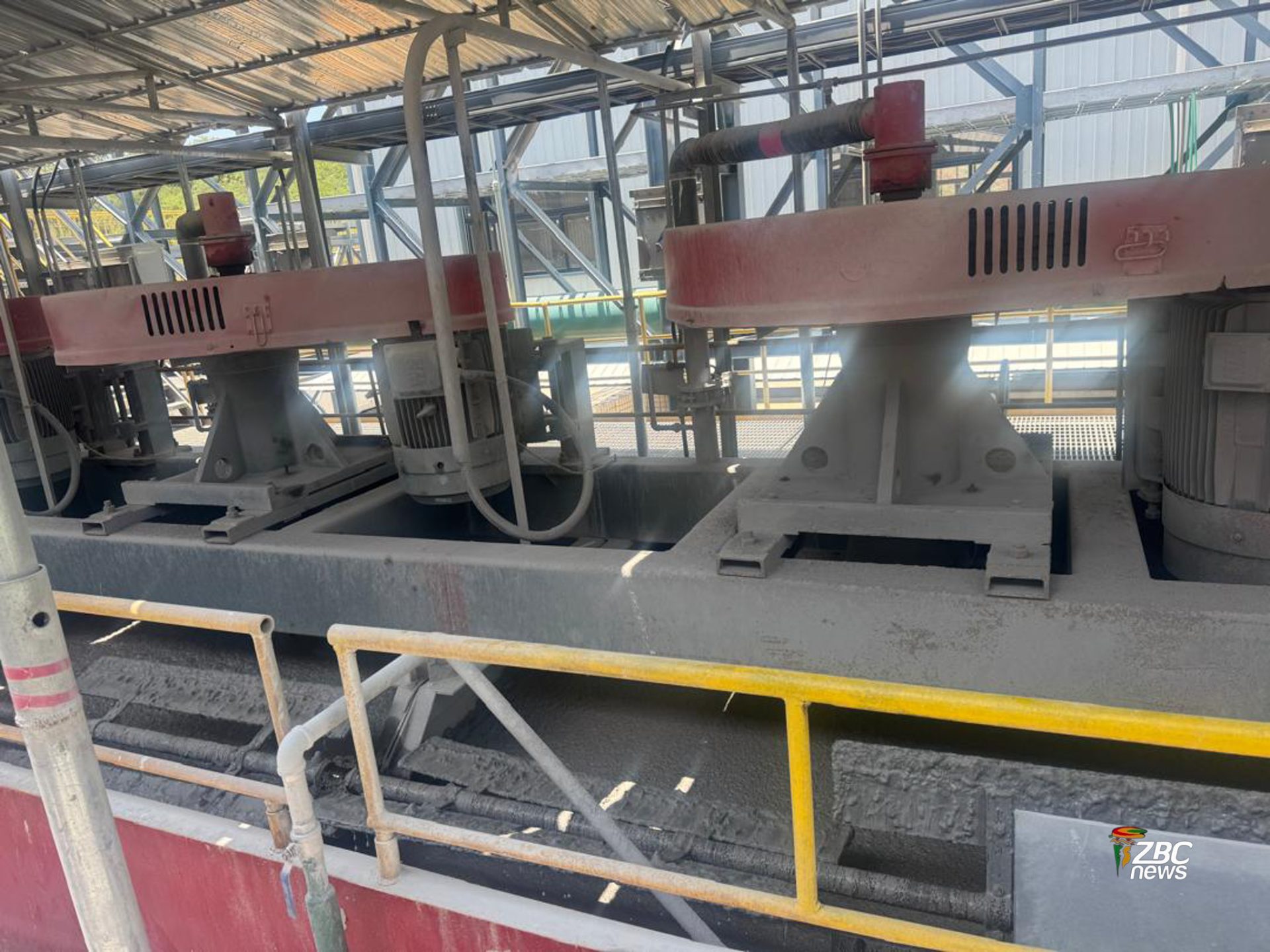
THE Government’s decision to ban the export of raw mineral ore and lithium concentrate has been widely welcomed as a bold step towards promoting value addition and beneficiation in Zimbabwe’s mining sector.
Zimbabwe, which holds vast deposits of gold, lithium and diamonds, is seeking to maximise returns from its finite mineral resources by shifting from raw exports to processed products.
Last week, authorities announced the ban with immediate effect, compelling trucks transporting raw mineral ore and lithium concentrate to return to base.
Officials from the Zimbabwe Revenue Authority (ZIMRA) confirmed they had implemented the directive, ensuring affected vehicles in transit complied.
“When you look at your exportation of minerals, they have been mainly using the Forbes border post, why Forbes? Because of its proximity to Forbes border post. We have realised our export traffic has gone down at Forbes, which is to say they have listened,” Commissioner Customs and Excise ZIMRA Mr Batsirayi Chadzingwa said.
Economic analysts say the move is critical to repositioning Zimbabwe within global mineral value chains.
“In the medium and long term, this was necessary, in the sense that we are losing a lot of revenue in terms of raw extraction and export without the necessary exports being split and declared. We need to realign with the way we export our raw materials through value addition,” Mr Malon Gwadu said.
“This is how developed nations have developed by moving up the value chains of their products. Remember, we start with raw material, and if you want to develop our economy for vision2030 we should value add and process more of our minerals and agricultural products so we get more money,” Mr Washington Dube said.
Analysts have also called for increased investment, mutually beneficial partnerships and the establishment of local beneficiation plants to support the policy shift.
“We now need government to be involved and foreign investment to come in to ensure beneficiation. This will be a noble idea because we now create our own industry and not create industries for other countries. It is a noble idea, but we now need to fund it perfectly,” Dr Nyasha Kaseke said.
President Emmerson Mnangagwa has consistently advocated for beneficiation, arguing that Zimbabwe and the African continent must derive full value from their mineral wealth.
“When you have a mineral, you can only want to part with it at a cost to the one who wants your mineral. If someone wants your mineral and he is not paying any cost, he cannot have it. So we make sure that when we take our minerals out, we benefit from the resources that God gave us. We cannot just allow foreign countries to come and exploit our resources without benefit from minerals . That, of course, could have happened in the past, but the current crop of leaders in Africa would not allow it,” he said.
The Second Republic maintains that value addition remains central to achieving upper middle-income status and ensuring Zimbabwe secures greater economic returns from its natural endowments.

