



Story by Lisa Masuku-Kurira
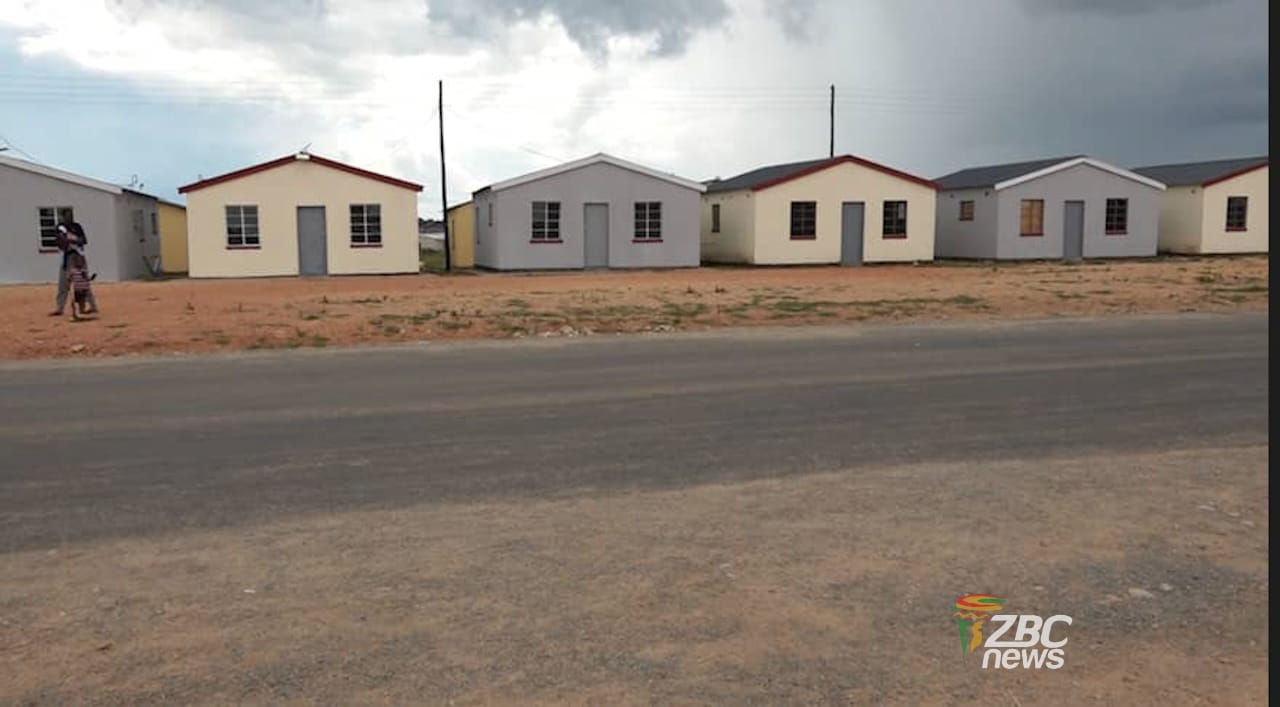
MORE than 400 housing units have been completed under the Rangemore Presidential Housing scheme, providing civil servants with access to affordable accommodation and reinforcing government efforts to address the nation’s housing deficit.
The National Social Security Authority (NSSA) has disbursed US$9 million towards the construction of the units, which form part of a broader 534-unit project expected to cost US$11 million upon completion. Two contracted developers are responsible for delivering the housing, with over 400 units now handed over to beneficiaries.
“There are two developers contracted for this project. So far, over 400 units have been completed out of a target of 534. The total funds disbursed to date amount to US$9 million,” said NSSA General Manager Dr Charles Shava.
Civil servants who have benefited from the initiative described the scheme as transformative.
“For years, I lived as a tenant because I could not afford to buy a house. This scheme has changed my life, and I now own my home,” one beneficiary said.
The project aligns with government priorities to improve social welfare and support national development goals. Minister of Public Service, Labour and Social Welfare, Honourable Edgar Moyo, said access to housing remains a key component of Zimbabwe’s socio-economic strategy.
“Housing is a basic need. The Rangemore project reflects the Second Republic’s commitment to providing affordable accommodation, addressing the housing backlog, and supporting the country’s Vision 2030 objectives,” Minister Moyo said.
ZANU PF Bulawayo Provincial Chairperson, Cde Jabulani Sibanda, emphasised that the initiative demonstrates the party’s people-centred governance approach and commitment to practical delivery.
“President Mnangagwa’s leadership has prioritised tangible support for citizens. The Rangemore project is a clear example of that ethos in action,” Cde Sibanda said.
The scheme underscores the government’s strategy to partner with private developers to expand housing supply for civil servants and other vulnerable groups, contributing to broader socio-economic stability and inclusive growth.

