



Story by Tafara Chikumira
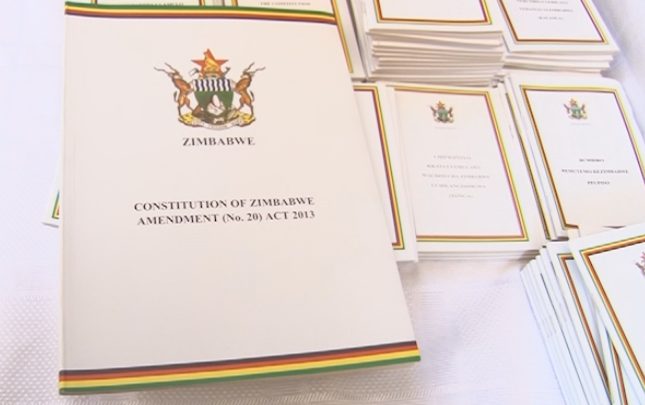
POLITICAL analysts and members of the ruling ZANU PF have endorsed Constitutional Amendment Bill No. 3, describing it as a strategic reform designed to reduce perpetual election cycles and create a stable environment for national development.
Supporters argue that the proposed amendments will allow Government to focus on long-term planning and implementation without the disruptions associated with frequent electioneering.
Political analyst Mr Alex Mukwembi said the Bill seeks to address a “constant election mode” that diverts attention from governance and service delivery.
“This piece of legislation gives room for politicians to accomplish their mandate. You will realise that most politicians need to acclimatise to their mandate in the first two years of service. This means the other five years are enough to make sure that they deliver on their mandate. The country cannot afford to always think of elections. We want the President to deliver his 2030 vision and the amendments will allow this to happen,” he said.
ZANU PF Midlands Youth League Provincial Chairperson Cde Enerst Dzoro said continuity was critical to sustaining gains recorded under the National Development Strategy One and the ongoing NDS2 programme.
“We have witnessed massive development under the National Development Strategy One and now NDS2. Such development needs to continue uninterrupted. Elections bring disagreements and we do not want that every five years. This Bill is seeking to ensure development in the country,” he said.
ZANU PF Central Committee member Cde Wellington Magura also backed the proposal, saying it would enable leaders to take decisive action without the constraints of recurring political contestation.
“For long, we have seen disagreements around electioneering. This Bill gives room for leaders to take decisive action for five years. That, on its own, is critical for meaningful development. People should see the bigger picture,” he said.
Among its key provisions, Constitutional Amendment Bill No. 3 proposes that legislators elect the President, replacing the current system in which the Head of State and Government is chosen through a direct popular vote.

